


What Do Budgies Eat? A Complete Diet Guide

Ask ten budgie owners what do budgies eat and nine will say "seed." That single assumption is behind more sick budgies than almost anything else I've come across in years of keeping and breeding these little parrots.
The truth is more layered—and, honestly, more interesting. If you've been asking what do budgies eat, a budgie's ideal diet looks nothing like the plastic tub of mixed seed sold at most pet stores. Wild budgerigars from the Australian grasslands eat a rotating buffet of seeds, greens, fruit, and vegetation depending on what's in season. Recreating even a fraction of that variety at home makes an enormous difference to your bird's health and lifespan.
Understanding what do budgies eat nutritionally isn't complicated, but it does require unlearning a few deeply held misconceptions. Most of the health problems I see in pet budgies—obesity, feather issues, liver disease—trace directly back to a poor diet that could have been corrected with a few simple changes.
This guide covers exactly what do budgies eat: the ideal daily diet, a safe budgie food list, the foods that can kill them, portion sizes, and the feeding mistakes I see new owners make again and again. Whether you're setting up for a brand-new bird or trying to fix the diet of one you've had for years, this is the place to start.
If you've ever searched what do budgies eat and found conflicting advice, this article will help you separate outdated seed-based myths from what birds actually need to thrive.
So, what do budgies eat if you want them to stay active, bright, and healthy for years? In practical terms, they do best on a pellet-based diet supported by fresh vegetables, small amounts of fruit, and only occasional seed treats.
Table of Contents
- What Should a Budgie's Daily Diet Actually Look Like?
- Why Is Seed So Bad for Budgies?
- How Do I Switch a Budgie From Seed to Pellets?
- Which Fruits and Vegetables Can Budgies Eat?
- Which Foods Are Toxic or Dangerous to Budgies?
- How Much and How Often Should You Feed a Budgie?
- Does a Budgie Need Water, Grit, or Supplements?
- What Feeding Mistakes Do New Budgie Owners Make?
- What Are the Signs of a Poor Budgie Diet?
- Frequently Asked Questions
- Feeding Your Budgie Well, Every Day
What Should a Budgie's Daily Diet Actually Look Like?
When people ask what do budgies eat, the most accurate answer is that a balanced budgie diet has three parts, and the proportions matter more than most people realize.
In simple terms, what do budgies eat every day should come down to pellets first, fresh produce second, and seeds only as a limited extra.
- Pellets: the foundation (60–80% of the diet). Formulated pellets are the closest thing to a complete food for budgies. Each pellet is engineered to deliver balanced vitamins, minerals, and protein in every bite—so your bird can't pick out its favorites and skip the rest. According to PetMD, pellets should make up the bulk of a healthy budgie diet, with many vets placing them at roughly 60–80% of daily intake. Either way, pellets should be the foundation of what your budgie eats every day.
- Fresh vegetables and fruit (20–25%). This is where variety and extra nutrients come in. Leafy greens, root vegetables, and the occasional piece of fruit all contribute vitamins and antioxidants that pellets alone can't fully replicate. Vegetables should outweigh fruit, since fruit is high in natural sugar. Think of fresh produce as a daily supplement—small but important.
- Seed (a small treat only). Here's the part that surprises most new owners. VCA Animal Hospitals is blunt: because seeds lack vitamins, minerals, and protein, they should only be a very small part of a budgie's diet and should never be the entire diet. Seed is fine as an occasional reward or for bonding—it should not be the backbone of every meal.
At the heart of the question what do budgies eat is balance. Not just food variety, but the right ratio of complete nutrition and fresh add-ons.
Why Is Seed So Bad for Budgies?
If you're still asking what do budgies eat and whether seed alone is enough, the short answer is no. Seed isn't poison—it's just wildly incomplete. Commercial seed mixes are high in fat and carbohydrates, low in protein, and missing many of the vitamins and minerals budgies need to stay healthy long-term. As PetMD explains, seeds are deficient in nearly all vital nutrients.
Anyone researching what do budgies eat should know that seed-only feeding is one of the most common mistakes new budgie owners make.
The bigger problem is behavioral. Budgies are champion selective eaters. Given a mixed bowl, they'll hull out their favorite seeds—usually millet—and ignore everything else. Millet and honey sticks are especially poor choices. Honey sticks are essentially seeds glued together with sugar, and most avian vets don't recommend them at all. A budgie who eats only millet is essentially eating junk food all day, every day.
An all-seed diet is one of the leading causes of obesity, fatty liver disease, and vitamin deficiencies in pet budgies. It also shortens lives. Well-fed budgies routinely live 10–12 years; seed-only birds often don't make it past 6 or 7. If your bird is currently on straight seed, don't panic—but do start planning a switch now.
When owners get the answer to what do budgies eat wrong, seed is usually at the center of the problem.
How Do I Switch a Budgie From Seed to Pellets?
Once you understand what do budgies eat for long-term health, the next challenge is often switching them to that healthier diet. This is often the hardest part of improving a budgie diet, especially with older birds who are set in their ways. Budgies can be stubborn, and some will genuinely act like they'd rather starve than try a pellet. Patience wins here, and so does consistency. A few methods that work:
- Offer pellets first thing in the morning, before anything else, when your bird is hungriest.
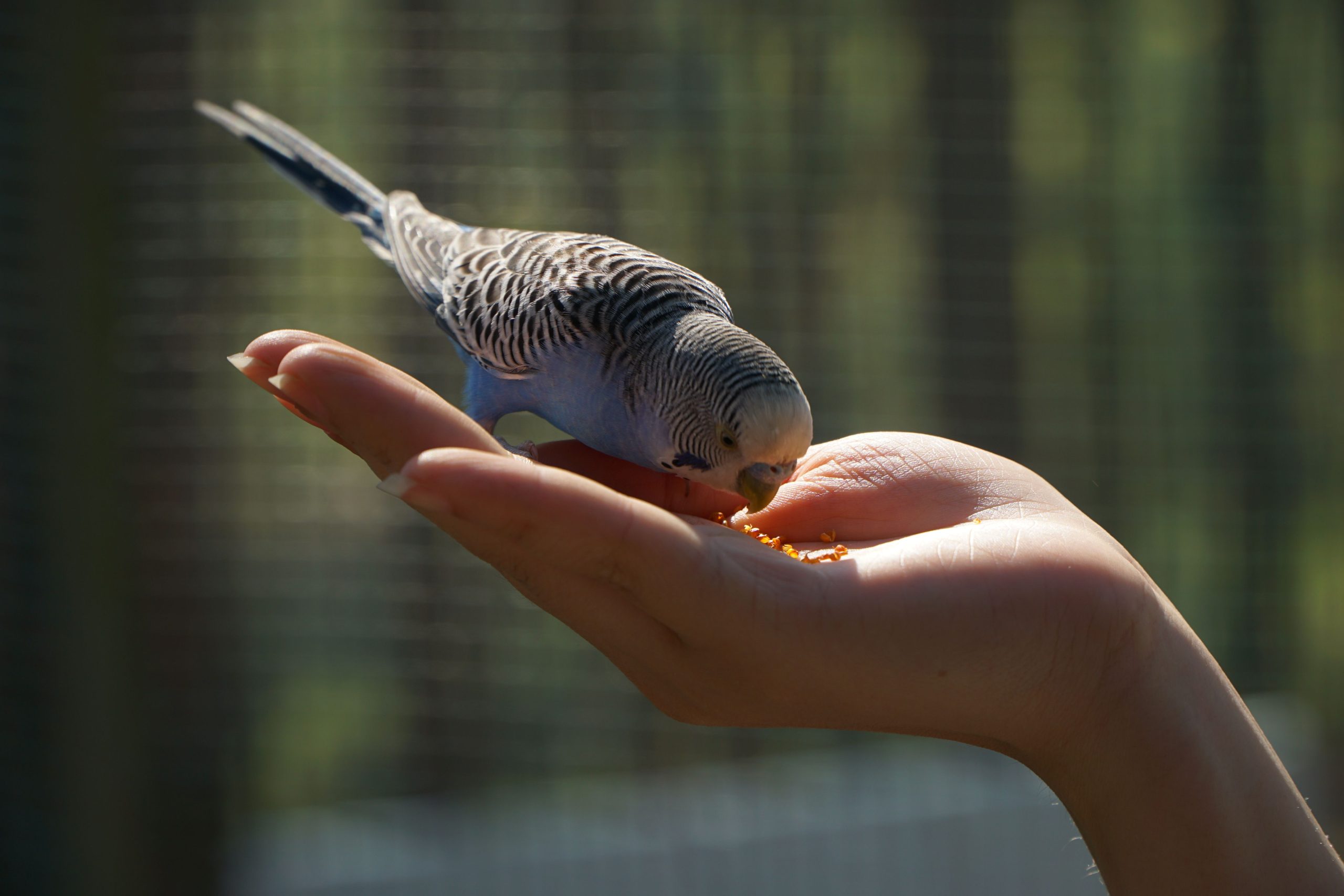
- Scatter pellets on a flat surface. Since wild budgies feed on the ground, spreading pellets on a plate and tapping at them with your finger (mimicking a beak) can spark curiosity. I've seen completely indifferent birds start investigating within minutes.
- Grind pellets into a fine powder and sprinkle it onto a moist food your bird already likes—cooked vegetables, a small piece of fruit, or scrambled egg. Gradually coarsen the grind over time until you're offering full pellets.
- Mix pellets into the seed bowl and slowly shift the ratio—more pellets, less seed—over days or weeks. Each day, reduce the seed volume by a small amount and top it up with pellets.
- Try different brands. Pellets come in different shapes, sizes, and even fruit-infused flavors. If your bird rejects one brand, try another. ZuPreem, Lafeber, and Roudybush are widely used brands recommended by avian vets.
The single most important rule: never assume your budgie is eating pellets just because they're in the bowl. Watch closely. Check that your bird's weight and droppings stay normal during any transition. A budgie can drop weight dangerously fast if it simply refuses new food. When in doubt, offer some seed later in the day so your bird doesn't go hungry—and ask your avian vet if progress stalls completely.
For owners wondering what do budgies eat during a pellet transition, the answer is usually a gradual mix of old and new foods until pellets become the staple.
If your bird has spent months or years on seed, what do budgies eat during the changeover matters just as much as the final diet itself.
Which Fruits and Vegetables Can Budgies Eat?
A big part of answering what do budgies eat is knowing which fresh foods are safe. Fresh produce is where you can have real fun with your bird's diet. Vegetables should make up the larger share, with fruit offered in smaller amounts because of its sugar content. Wash everything thoroughly to remove pesticide residue, cut it into budgie-sized pieces, and always offer it in a separate dish from the pellets.
If someone asks what do budgies eat besides pellets, this is where the answer gets more varied and more interesting.
Not all vegetables are equal. Skip watery, low-nutrient options like iceberg lettuce and celery—they fill the bird up without giving much back nutritionally. Aim for dark, colorful vegetables, which tend to pack the most vitamins.
Safe Vegetables for Budgies
According to the full list compiled by VCA Animal Hospitals, and confirmed by PetMD's parakeet care guidelines, budgies can safely eat:
- Broccoli
- Carrot and carrot tops
- Kale
- Spinach
- Bok choy
- Bell peppers (all colors)
- Sweet potato (cooked or raw)
- Squash and zucchini
- Peas and pea pods
- Corn
- Beet
- Asparagus
- Romaine lettuce
- Dandelion leaves
- Rapini
- Endive
- Cabbage
Safe Fruits for Budgies
- Apple (seeds removed—apple seeds contain trace cyanide compounds)
- Banana
- Berries (blueberry, raspberry, strawberry)
- Melon and cantaloupe
- Mango
- Papaya
- Pear
- Grapes
- Kiwi
- Orange
- Pineapple
- Peaches and nectarines
- Cherries (pit removed)
- Pomegranate
- Fig
A practical tip from experience: introduce new foods one at a time, and don't give up after a single rejection. Budgies are deeply suspicious of unfamiliar food. I've had birds ignore chopped broccoli for two full weeks, then suddenly treat it like a delicacy once it stopped being "new." Offering a new food in the morning, when appetite is highest, improves your odds considerably. Clipping a piece of leafy green to the cage bars instead of putting it in a dish often tempts curious birds who might otherwise ignore it.
It also helps to eat in front of your bird. Budgies are highly social and naturally curious about what the flock is eating. If they see you (their flock) eating something, they're more likely to investigate.
Always remove fresh food after two to three hours—sooner in warm weather—before it spoils and becomes a source of bacteria.
For anyone still asking what do budgies eat once pellets are covered, safe vegetables and fruits are the next most important part of the answer.
Which Foods Are Toxic or Dangerous to Budgies?
If you're researching what do budgies eat, it's just as important to know what they should never eat. This is the section to read twice. Some everyday human foods are genuinely deadly to budgies, even in very small amounts. Budgies are small birds with fast metabolisms, which means toxins take effect quickly and can be fatal before you even realize something is wrong.
Knowing what do budgies eat safely also means knowing which foods belong nowhere near a budgie's bowl.
Never feed a budgie:
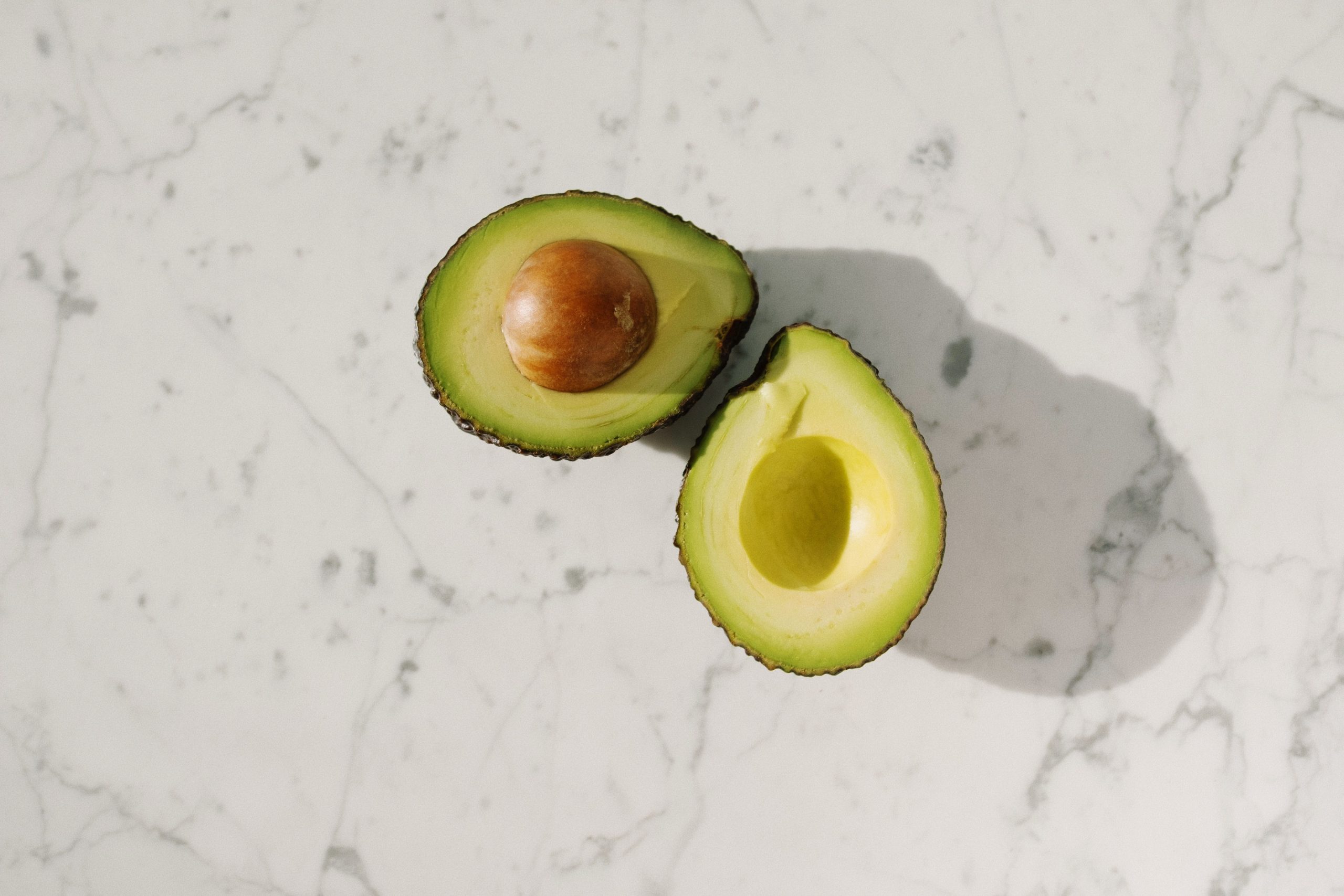
- Avocado — VCA Animal Hospitals states avocado is reported to be potentially toxic and should never be offered to a bird. The compound persin, found in avocado flesh, skin, and pit, can cause heart failure in birds.
- Chocolate — toxic and potentially fatal. Theobromine, the compound that makes chocolate dangerous for dogs, is similarly harmful to birds.
- Caffeine — coffee, tea, energy drinks, and soda are all off-limits. Caffeine can cause cardiac arrhythmia in birds.
- Alcohol — never, in any form or amount.
- Fruit seeds and pits — apple seeds, cherry pits, peach pits, and similar can contain compounds that are harmful when ingested. Always de-seed or pit fruit before offering it.
- Very salty foods — chips, pretzels, salted popcorn, processed crackers. Birds have no need for added sodium and can be harmed by it.
- Fatty or fried foods — anything cooked in butter or oil should be kept away from your bird entirely.
- Highly processed human foods — flavored crackers, packaged snacks, fast food. If it wouldn't be considered "whole food," don't offer it.
- Onion and garlic — these contain compounds (thiosulphates and disulfides) that can damage red blood cells in birds, similar to the effect in dogs and cats.
- Mushrooms — some varieties are toxic to birds, and even safe mushrooms carry risk. Best avoided entirely.
Two more critical, less obvious dangers every budgie owner needs to know:
- Dairy. Birds are lactose-intolerant. Their digestive systems aren't built to process the sugars in milk and cheese, and regular dairy can cause digestive upset. If you offer a small amount of hard cheese as an occasional treat, most birds tolerate it—but dairy should never be a regular part of the diet.
- Nonstick cookware fumes. This isn't a food—but it's a genuine kitchen killer. PetMD warns that nonstick coatings (including Teflon and other PTFE-based products) release colorless, odorless fumes when overheated that can kill a bird in minutes. Even using nonstick pans in the same house as a budgie carries risk if ventilation is poor. Consider switching to stainless steel or cast iron cookware if possible.
How Much and How Often Should You Feed a Budgie?
Another key part of understanding what do budgies eat is knowing how much and how often to feed them. Budgies have fast metabolisms and should have access to food throughout the day—they're natural grazers, not meal eaters. That said, portion awareness still matters, especially with fresh food and treats.
When owners ask what do budgies eat in terms of portions, the answer is less about large meals and more about steady access to the right foods.
- Pellets: Keep the pellet dish topped up and accessible at all times. Follow the manufacturer's portion guidance on your pellet brand as a starting point, and discard uneaten pellets before refilling so the food stays fresh. Pellets left in humid conditions can go stale or develop mold.
- Fresh food: Offer a small daily serving of chopped vegetables and fruit. VCA Animal Hospitals provides a useful visual anchor: a thumbnail-sized portion for a budgie is equivalent to a dinner-plate portion for a person. That sounds tiny—because it is. Remove fresh food after two to three hours, regardless of whether it's been eaten.
- Seed treats: A very small pinch once or twice a week is reasonable. A strand of millet spray can be offered once or twice a month as a special treat—not as a daily snack.
A word on stale food, because it's an easy mistake to make. Seed and pellets don't stay good indefinitely. Seed can go rancid as its oils oxidize, and rancid seed delivers little nutrition while tasting unpleasant. Pellets can lose potency and develop mold if stored in a humid environment. Buy in quantities you'll realistically use within one to two months, keep the bag tightly sealed in a cool, dry place, and smell it before filling the bowl—if it smells musty or oily, throw it out and replace it.
In other words, what do budgies eat is only half the question—how often they have access to the right foods matters just as much.
Does a Budgie Need Water, Grit, or Supplements?
Water
Fresh, clean water must be available at all times—no exceptions. Budgies drink regularly throughout the day, and even a few hours without water in warm weather can be dangerous. Wash the water dish or bottle daily with soap and hot water, rinse thoroughly, and refill with fresh water. If your tap water is heavily chlorinated, fluoridated, or otherwise poor in quality, filtered or bottled water is a reasonable and inexpensive choice.
Avoid placing the water dish directly below a perch, where droppings will land in it. A water bottle or a dish positioned away from perches stays cleaner longer.
Cuttlebone
A cuttlebone is a simple, inexpensive way to supplement calcium and trace minerals on a daily basis. PetMD notes that calcium is essential for keeping birds' bones, beak, nails, and feathers strong and healthy. A cuttlebone also gives your budgie something to gnaw on, which keeps the beak in good condition naturally. Clip one to the inside of the cage and let your bird use it whenever it feels like it—there's no need to limit access.
Grit: A Myth Worth Busting
Here's a misconception that genuinely gets budgies hurt. Budgies do not need grit or gravel. Unlike pigeons, doves, and chickens—which swallow seeds whole and use grit in the gizzard to grind them down—budgies hull their seeds before swallowing. The inner kernel goes in; the shell stays in the dish. There's nothing to grind. VCA Animal Hospitals explicitly warns that some budgies will overeat grit if it's offered, which can cause a gastrointestinal blockage that may become life-threatening. Skip it entirely, even if a product label suggests otherwise.
Vitamin Supplements
A budgie eating 70–80% of its diet from quality pellets generally doesn't need added vitamins—pellets are already fortified to cover the basics. That said, there are exceptions. Breeding hens, for example, have higher calcium demands during egg production. Birds recovering from illness or transitioning off a seed-only diet may temporarily benefit from supplemental vitamins, but only under veterinary guidance. Never self-prescribe supplements without an avian vet's input.
One last note: sprinkling vitamin powder on seed is largely pointless. Budgies remove the outer hull before eating the inner kernel, and the powder ends up in the shell they discard. If vitamin supplementation is needed, apply it to a moist food the bird will actually consume.
So if you're asking what do budgies eat along with what else they need, the essentials are fresh water daily, a cuttlebone for calcium, and no grit.
What Feeding Mistakes Do New Budgie Owners Make?
Many of these errors happen because owners don't fully understand what do budgies eat for proper nutrition. After years of fielding questions from first-time budgie owners—and making several of these mistakes myself early on—the same patterns come up again and again:
- Feeding only seed. The big one. It's convenient, cheap, and the bird loves it—all of which make it a hard habit to break. But a seed-only diet is the most common route to a short, unhealthy life. If there's one thing to change, it's this.
- Assuming a full bowl means a fed bird. Budgies leave empty hulls in the dish that look almost identical to full seeds. Owners frequently assume the bowl is still loaded when it's actually just a pile of shells. A quick blow across the top will scatter the hulls and reveal what's underneath. If it's mostly empty casings, refill.
- Giving up on fresh food too soon. Budgies are neophobic—they're wired to be suspicious of new things in the wild, where "new food" could mean "poisonous food." One or two rejections tells you nothing. Keep offering the same food daily for a week or two before concluding your bird doesn't like it.
- Overdoing fruit and millet. Both are nutritious in small amounts and irresistible to most budgies, which makes them easy to overuse. Think of fruit and millet the way you'd think of dessert—fine occasionally, harmful as a staple.
- Leaving fresh food in the cage all day. At room temperature, chopped vegetables and fruit start growing bacteria within a few hours. In warm climates or summer months, the window is even shorter. Set a timer if you need to.
- Sharing food from your own mouth or plate. PetMD explicitly warns that human saliva carries microorganisms that can cause illness in birds. Even well-meaning kisses or sharing a spoon can introduce bacteria that budgies have no immunity to. Keep your bird's food separate.
- Not washing produce. Fruits and vegetables can carry pesticide residue that is harmful to small birds. Always wash thoroughly before offering, even if the packaging says "pre-washed."
Most of these mistakes begin with a bad answer to the question what do budgies eat, which is why getting the basics right matters so much.
Once people truly understand what do budgies eat, they usually stop making the small daily feeding choices that cause long-term health problems.
What Are the Signs of a Poor Budgie Diet?
If you misunderstand what do budgies eat, the effects often show up in your bird's health over time. Budgies are prey animals by instinct, and they're very good at hiding signs of illness for as long as possible. Diet-related problems often develop slowly and quietly. By the time obvious symptoms appear, the problem may have been building for months. Watch for these warning signs:
- Overweight body or a visible fatty lump on the chest. A classic sign of an all-seed diet. A healthy budgie should have a streamlined keel bone you can feel but not see jutting out prominently.
- Dull, poorly colored, or ragged feathers. Good feather quality depends on protein and vitamins that a seed-only diet simply can't provide.
- Overgrown, soft, or flaky beak. Beak issues can be caused by nutritional deficiencies or underlying disease—either way, a vet visit is needed.
- Lethargy, fluffed-up posture, or sitting low on the perch. A budgie who sits puffed up and still for extended periods is almost always unwell.
- Changes in droppings. Healthy budgie droppings are formed, green-brown, with a small white portion. Watery, discolored, or foul-smelling droppings all warrant a prompt vet visit.
- Reduced appetite or sudden disinterest in food.
- Labored breathing or tail bobbing.
According to PetMD, common budgie health problems tied to nutrition include obesity, liver disease, and hypovitaminosis A (a vitamin A deficiency, which affects immune function and skin health). These are exactly the conditions a proper pellet-and-produce diet helps prevent. If you notice any of these signs, book an appointment with a bird-savvy avian vet rather than trying to fix it with supplements alone—some conditions require diagnosis and treatment, not just a better diet.
If you ever wonder whether what do budgies eat really affects health that much, the answer is absolutely yes—it shapes energy, feather quality, weight, and lifespan.
Frequently Asked Questions
What do budgies eat as their main food?
A budgie's main food should be formulated pellets, making up 60–80% of the diet according to VCA Animal Hospitals. Fresh vegetables and fruit add another 20–25%, and seed should be an occasional treat only—not the staple most new owners assume it is.
Can budgies eat seed every day?
Budgies can have a very small amount of seed daily, but seed should never be their entire—or even primary—diet. It's high in fat and low in essential nutrients. Millet spray, a firm favorite with most birds, is best limited to once or twice a month to avoid overdoing it.
What fruits and vegetables are safe for budgies?
Safe vegetables include broccoli, carrot, kale, spinach, bell peppers, sweet potato, peas, and romaine lettuce. Safe fruits include apple (seeds removed), banana, berries, melon, mango, and papaya. Avoid iceberg lettuce, celery, and any fruit with the pit or seed still in it.
What foods are toxic to budgies?
Never feed avocado, chocolate, caffeine, alcohol, fruit seeds or pits, onion, garlic, or very salty and fatty foods. Keep budgies away from nonstick cookware fumes, which can be rapidly fatal even in small concentrations.
Do budgies need grit to digest their food?
No. Budgies hull their seeds before swallowing, so they don't need grit in the gizzard. Offering grit can actually be dangerous—VCA Animal Hospitals warns it can cause a life-threatening gastrointestinal blockage. A cuttlebone is a far better cage addition.
How do I get my budgie to eat vegetables?
Introduce one new vegetable at a time and offer it in the morning when appetite is highest. Don't give up after early rejections—budgies often take one to two weeks to accept a new food. Try clipping leafy greens to the cage bars, eating in front of your bird to pique curiosity, or briefly warming vegetables to release a stronger aroma.
How long does it take to switch a budgie to pellets?
It varies widely—anywhere from a few days to several months, depending on the bird's age and how long it has been on a seed diet. Go slowly, monitor weight and droppings closely throughout the process, and always ensure your bird is eating enough each day. If you're unsure, ask your avian vet to monitor the transition.
How often should a budgie visit the vet?
At minimum, once per year—even if your bird seems perfectly healthy. Budgies are experts at hiding illness, and an annual exam with a qualified avian vet can catch problems early. PetMD recommends annual wellness exams as a baseline standard of care.
Feeding Your Budgie Well, Every Day
By now, the answer to what do budgies eat should be much clearer. A great budgie diet isn't complicated—it just runs against the "bowl of seed" habit most owners start with, often because that's what was recommended at the pet store. The reality is simpler than it sounds once you get the basics right.
To sum up what do budgies eat, focus on quality pellets, daily vegetables, a little fruit, and only occasional seed treats.
When someone asks what do budgies eat, the best answer is always the same: balanced, varied, and built on pellets rather than seed.
Build the diet on quality formulated pellets. Add a rotating variety of safe vegetables daily and a little fruit a few times a week. Keep seed to occasional treat territory. Provide a cuttlebone, fresh water that gets changed every day, and a kitchen free of nonstick cookware fumes. That's genuinely most of what your bird needs.
If your budgie is on an all-seed diet right now, don't feel guilty—start the switch this week. Take it slow, watch closely, and lean on your avian vet for guidance if progress stalls. The payoff is real: a brighter, more energetic, more engaged bird that could live well into its teens.
A well-fed budgie is a happy budgie. And a happy budgie makes for a much more rewarding companion.
Ready to Learn More?
For more bird care guides, feeding tips, health advice, and species profiles, explore the rest of PetStory.org.
About the Author
Irfan Hyder is a pet content writer at PetStory.org specializing in bird and small animal care. With years of hands-on experience keeping and breeding budgies, he writes practical, experience-informed guides to help owners give their pets healthier, happier lives. When he's not writing, he's usually watching his own flock cause chaos.