

Living in an apartment does not automatically rule out having a dog. While some breeds are known for their high activity levels and need for extensive exercise, others are generally more comfortable with a relaxed indoor routine. For people living in smaller homes, these calmer characteristics can make everyday life more manageable.
Choosing a dog for apartment living involves more than looking at size. A small dog may be energetic and vocal, while a much larger breed may spend much of the day resting indoors. Exercise requirements, temperament, barking tendencies, grooming needs and the ability to settle at home all deserve consideration.
Several breeds combine a relatively relaxed indoor nature with the ability to enjoy regular walks and playtime. This guide explores five options, compares their general characteristics and explains what prospective owners should consider before bringing one home.
This guide brings together general breed information and guidance from established kennel clubs and breed organisations. Breed characteristics are typical tendencies rather than guarantees. Individual dogs can differ considerably according to age, health, socialisation, training and personality. Prospective owners should discuss a dog's individual needs with a veterinarian and responsible breeder or rescue organisation.
Table of Contents
What Makes a Dog Suitable for Apartment Living?
A dog's suitability for apartment living depends on its overall lifestyle needs, not simply its physical size. Some large dogs are calm indoors, while certain smaller breeds need frequent activity and plenty of stimulation. Understanding these differences helps owners choose a companion whose routine fits their home and schedule.
Several characteristics are particularly useful when comparing apartment-friendly breeds:
- Indoor temperament: Dogs that can settle comfortably after walks and play sessions may adapt more easily to smaller living spaces.
- Exercise requirements: Every dog needs physical activity, but the duration and intensity can vary by breed, age and individual health.
- Noise levels: Barking, howling and other vocal behaviours can affect neighbours, especially in buildings with shared walls.
- Size and mobility: A dog's weight and height matter when considering lifts, stairs, narrow hallways and available indoor space.
- Companionship needs: Some breeds form close bonds with their families and prefer regular company. Their ability to spend time alone should be considered before adoption.
- Grooming and health: Coat maintenance, ear care, dental care and breed-associated health conditions all influence everyday responsibilities.
Basset Hound
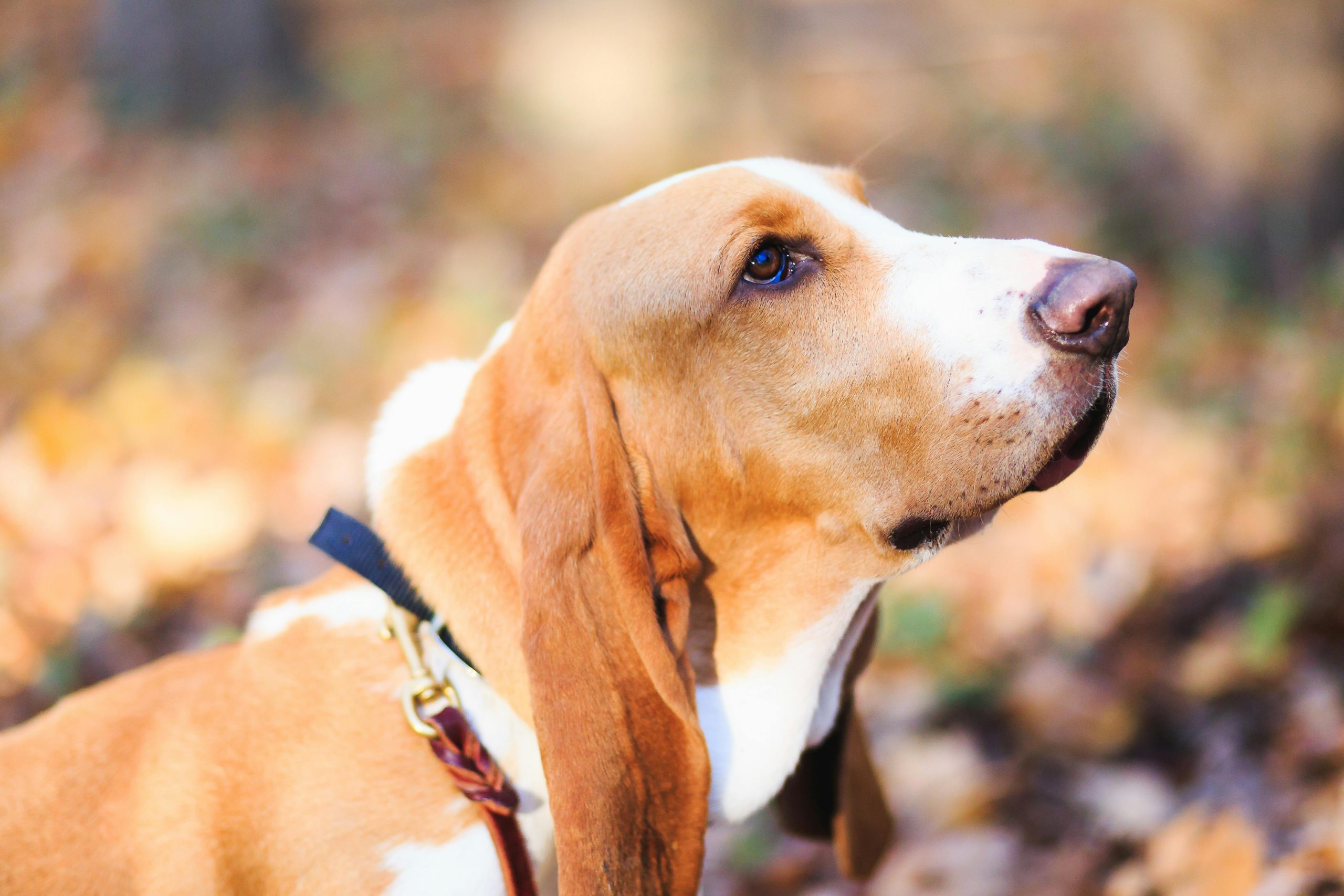
The Basset Hound is recognisable for its long ears, short legs, loose skin and thoughtful expression. Originally developed as a scent hound, this breed has a strong sense of smell and enjoys following interesting scents. At home, many Basset Hounds are content to relax with their families after an appropriate walk or outdoor activity.
Their generally laid-back indoor nature can make them an option for apartment residents who have enough room to accommodate a medium-to-large, heavy-bodied dog. Their relatively short legs do not make them a miniature breed. Adult Basset Hounds can weigh considerably more than many people expect, so owners should consider their actual size and mobility requirements.
Temperament and Exercise Needs
Basset Hounds are often affectionate, sociable and easygoing with familiar people. Their scenting instincts remain strong, so walks that allow time for sniffing can be particularly enjoyable. A consistent daily routine with moderate activity, play and opportunities to explore helps support their physical and mental health.
Owners should also be aware that Basset Hounds can be vocal. Their characteristic baying and howling may be noticeable in apartment buildings, particularly when they are excited, bored or responding to sounds. Early training and appropriate enrichment can help establish suitable household habits.
Grooming and Health Considerations
Their short coat is relatively straightforward to maintain with regular brushing. However, their long ears need frequent checks and cleaning as advised by a veterinarian. Their body shape also makes weight management important. Maintaining a healthy weight helps support mobility and general comfort.
Prospective owners should ask about health screening and discuss breed-related concerns with a veterinarian. The Basset Hound Club of America provides additional information for people considering the breed.
Greyhound
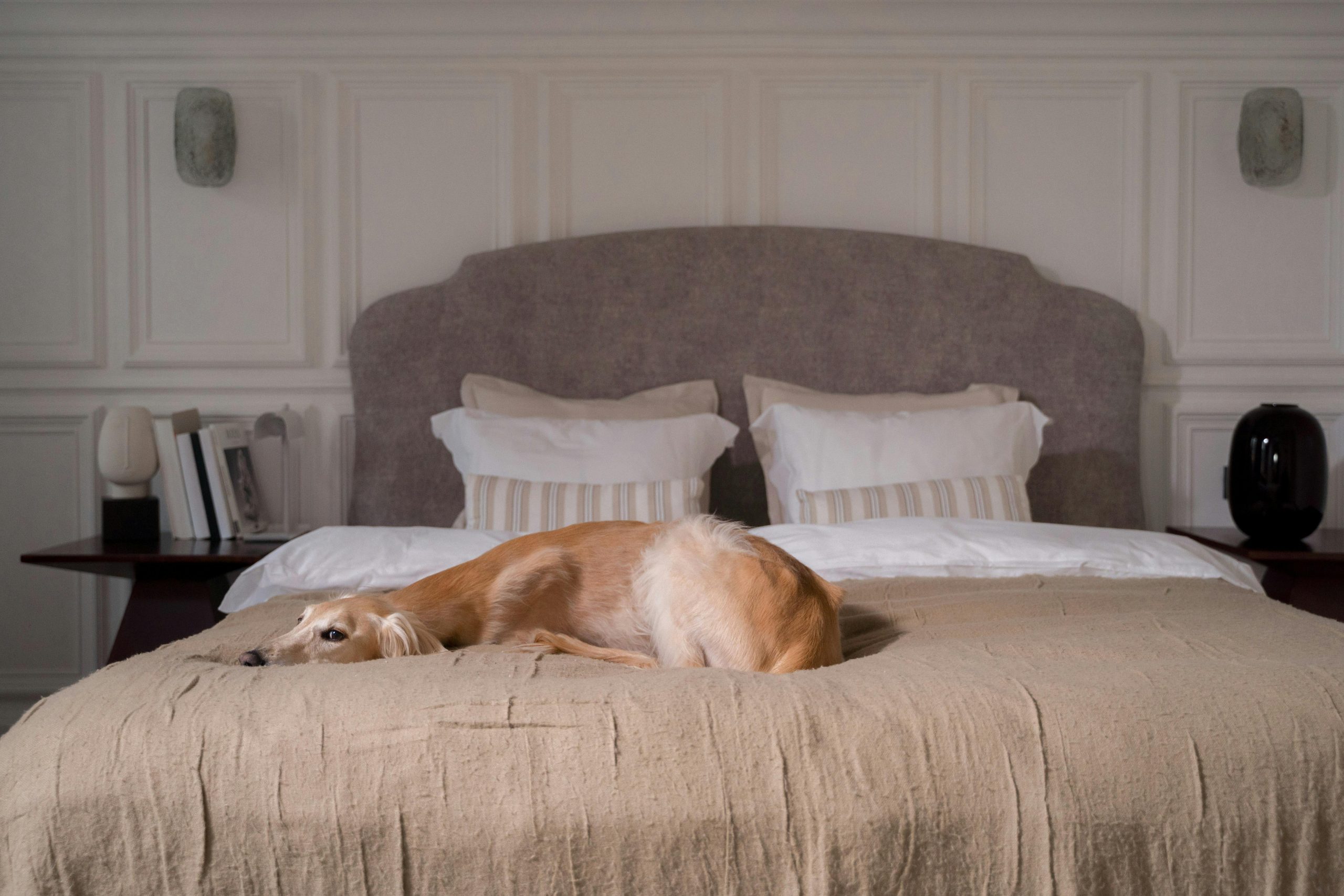
The Greyhound is famous for its speed, athletic build and graceful appearance. Although the breed is capable of impressive bursts of running, many mature Greyhounds are calm indoors and spend a significant part of the day resting. This contrast makes them an interesting option for apartment residents who can meet their daily exercise requirements.
Greyhounds are large dogs, but their slim build and generally relaxed indoor habits can make them adaptable to different home environments. They benefit from comfortable resting areas, predictable routines and opportunities to stretch their legs outdoors.
Temperament and Exercise Needs
Many Greyhounds are gentle and affectionate with their families. Their daily routine generally includes regular walks and opportunities for safe, controlled exercise. They may enjoy short periods of running in a secure enclosed area, followed by plenty of rest.
Greyhounds have a strong chase instinct, so off-leash exercise in unsecured public spaces is not appropriate. Owners should use secure equipment and choose enclosed areas when allowing their dog to run freely. Their individual temperament and recall training should always guide outdoor arrangements.
Grooming and Health Considerations
The Greyhound's short coat is relatively easy to maintain with occasional brushing. Its lean body also means that a comfortable bed and suitable indoor temperature can be especially important. Some Greyhounds have limited body fat and may be sensitive to cold weather.
People considering a Greyhound should learn about the breed's health history and ask a veterinarian about suitable exercise, dental care and routine screening. The Greyhound Club of America FAQ offers further information about the breed's characteristics and care.
Cavalier King Charles Spaniel
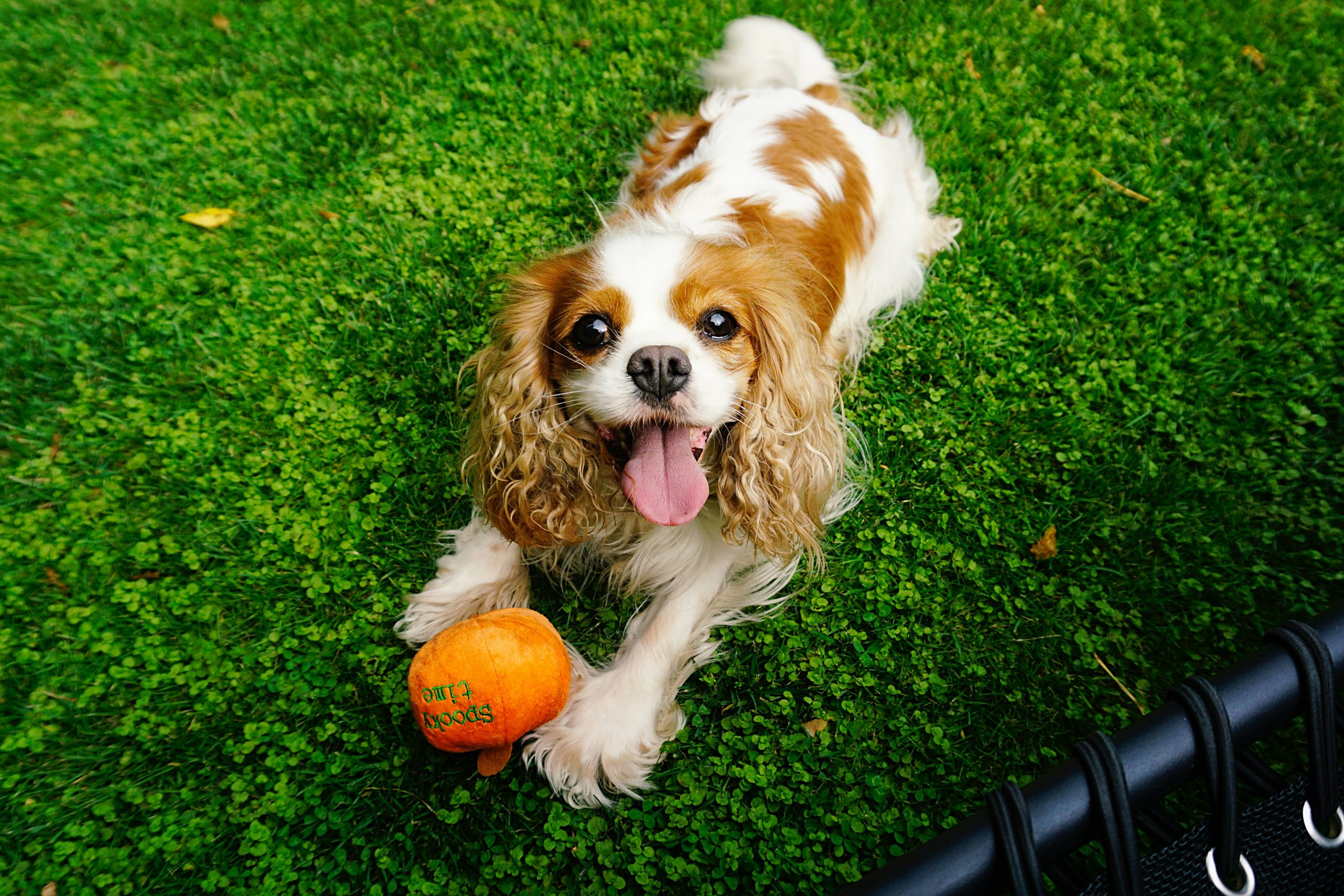
The Cavalier King Charles Spaniel is a small companion breed known for its friendly expression, silky coat and affectionate temperament. Cavaliers often enjoy spending time with their families and can adapt well to apartment routines when they receive regular walks, play and attention.
Their manageable size makes everyday activities such as travelling through shared hallways and settling into smaller rooms easier. They are also generally sociable dogs, which can make them appealing to people looking for a companion that enjoys close family interaction.
Temperament and Exercise Needs
Cavaliers are typically affectionate, gentle and eager to spend time with people. They enjoy walks and interactive play, but many are also happy to relax at home after their daily activities. Their exercise routine should be consistent and appropriate for their age and health.
Because they are people-oriented, Cavaliers may find long periods alone difficult. Owners who work away from home for extended periods should plan suitable companionship, gradual alone-time training and enrichment activities.
Grooming and Health Considerations
Their medium-length coat benefits from regular brushing, particularly around the ears, chest, legs and feathered areas. Routine ear checks, dental care and nail trimming should also form part of their grooming schedule.
Health screening is especially important when choosing a Cavalier. The breed is associated with certain inherited health concerns, including mitral valve disease and syringomyelia. Responsible breeders should provide relevant health information and follow recommended screening practices. The Cavalier King Charles Spaniel Club's health testing guide explains important screening considerations.
Bolognese
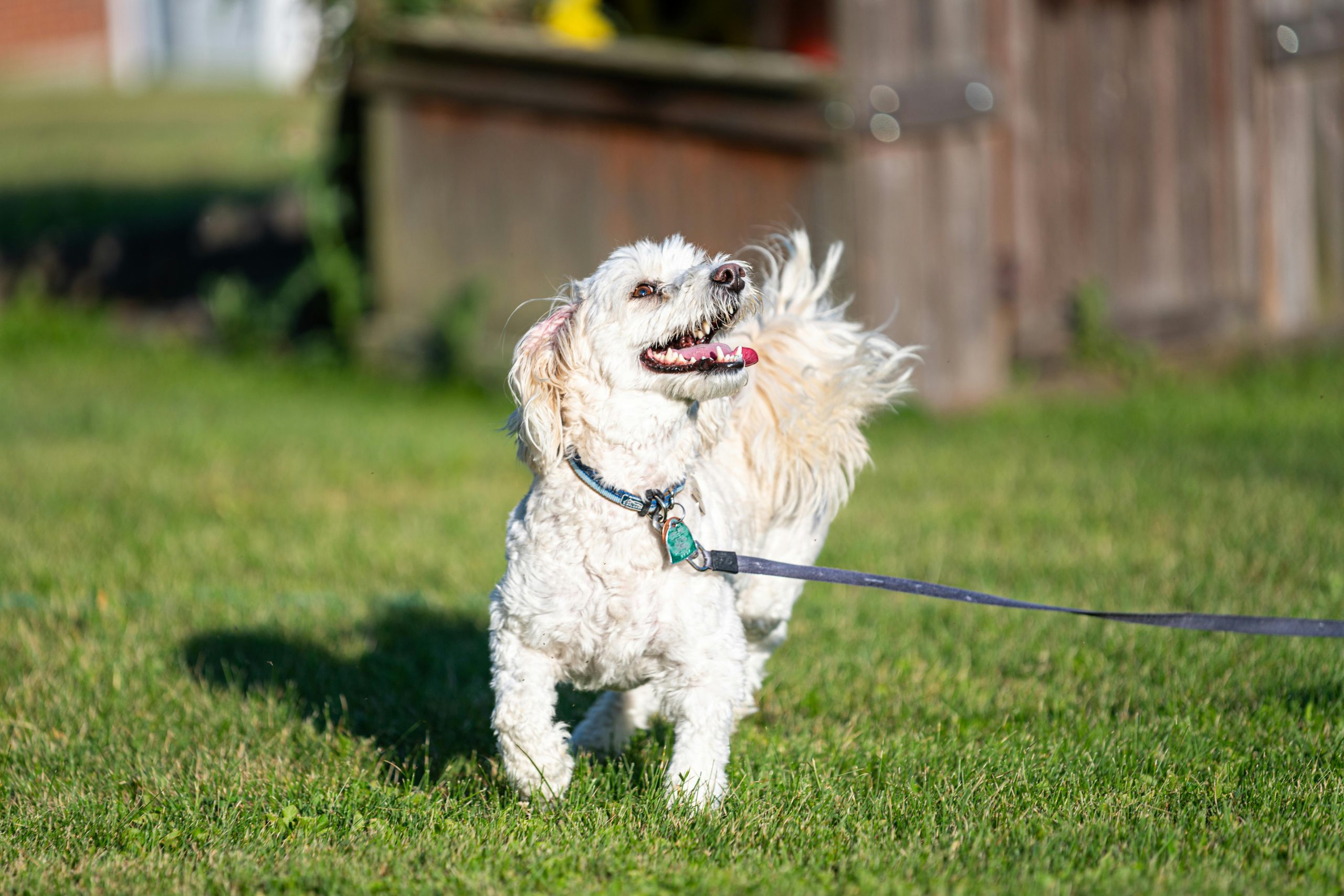
The Bolognese is a small companion breed from the Bichon family. It is known for its white coat, compact build and affectionate personality. Its small size and generally moderate activity requirements can make it suitable for apartment households that provide regular attention and daily activity.
Bolognese dogs often enjoy being close to their families. They can be playful and curious without necessarily requiring the same level of physical activity as more energetic working or sporting breeds. Their routine can include short walks, indoor games and simple training activities.
Temperament and Exercise Needs
The Bolognese is generally described as affectionate, attentive and closely bonded with its household. It often enjoys interactive play and spending time with familiar people. Regular walks and mental stimulation help keep the dog engaged and support a healthy daily routine.
Because of its companion-dog background, the Bolognese may not enjoy being left alone for extended periods. Owners should introduce alone time gradually and provide suitable toys and enrichment when the dog is resting at home.
Grooming and Health Considerations
The breed's fluffy coat requires consistent maintenance. Regular brushing helps prevent tangles and matting, and owners may choose professional grooming to maintain a manageable coat length. Although the Bolognese is often described as low-shedding, no dog is completely allergy-free.
Prospective owners should ask breeders about relevant health screening, including patella and eye health. The American Bolognese Club's health statement provides additional information about responsible breeding and health considerations.
Japanese Chin
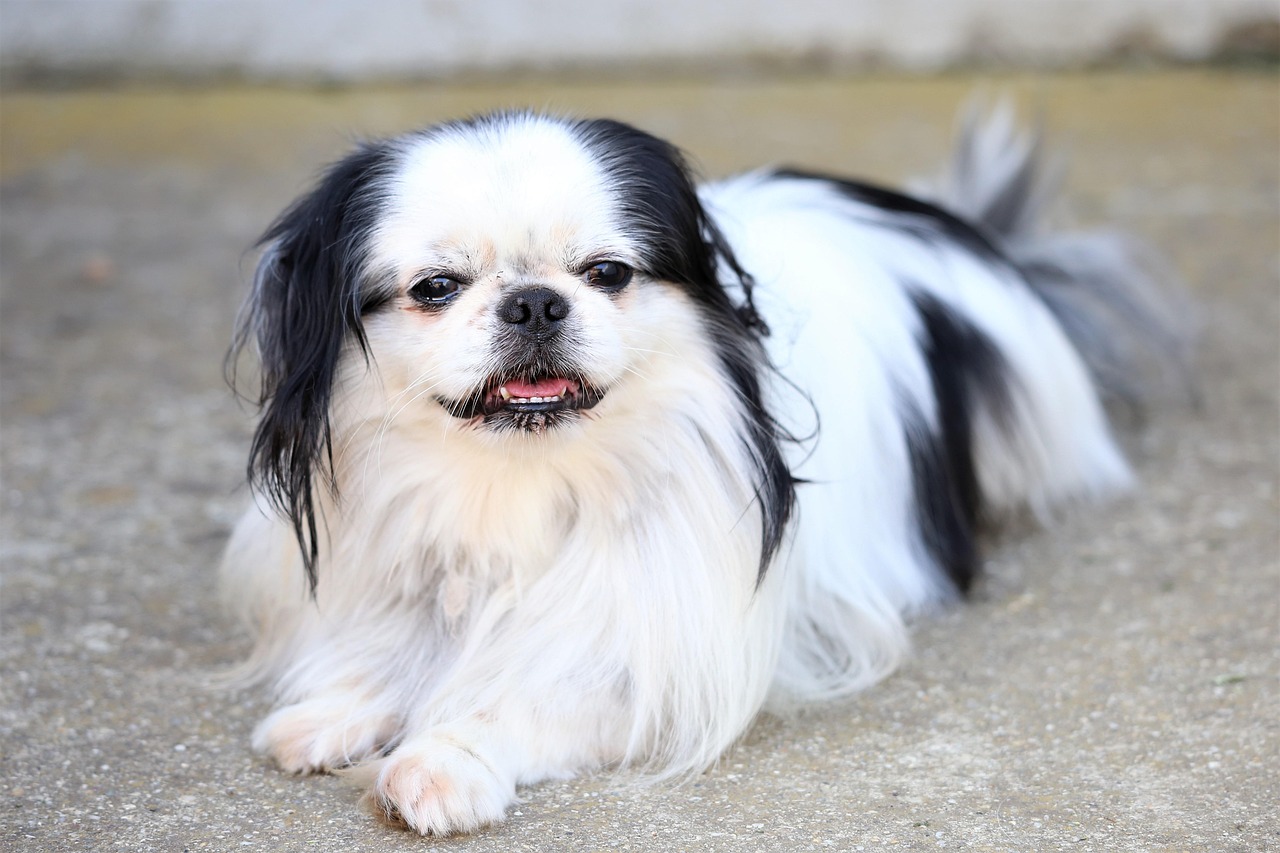
The Japanese Chin is a small companion dog recognised for its silky coat, feathered ears and expressive face. Its compact size and affectionate nature can make it a practical choice for many apartment households.
Unlike some of the more consistently relaxed breeds on this list, the Japanese Chin is often described as a fairly active little dog. It enjoys interaction, play and exploring its surroundings. It is included here because of its apartment-friendly size and companion-dog characteristics, rather than because it has exceptionally low exercise needs.
Temperament and Exercise Needs
Japanese Chins are often lively, intelligent and closely connected to their families. They can enjoy indoor games and short walks, along with opportunities to explore safely. Their activity should be regular but appropriate for their individual health and physical condition.
Owners should also consider the breed's short muzzle. Some Japanese Chins may be more sensitive to heat and humidity, so outdoor activity should be planned carefully in warm weather. Walks during cooler parts of the day, access to fresh water and a comfortable indoor environment can help support their well-being.
Grooming and Health Considerations
The Japanese Chin's coat benefits from regular brushing to keep it clean and free from tangles, particularly around the feathered areas. Routine eye, ear, dental and nail care should also be included in its grooming schedule.
As with other short-muzzled breeds, owners should be aware of possible breathing and heat-tolerance concerns. A veterinarian can help assess an individual dog's respiratory health and recommend suitable exercise arrangements. The UC Davis guide to brachycephalic dogs explains some of the health considerations associated with short-nosed breeds.
Comparing the Five Breeds
Each breed offers a different combination of size, temperament, grooming needs and activity requirements. The following table provides a general comparison to help prospective owners identify which characteristics best match their household.
| Breed | Approximate Adult Weight | Activity Level | Apartment Considerations |
|---|---|---|---|
| Basset Hound | 40–65 lb | Low to moderate | Relaxed indoors, but needs walks, sniffing activities and consideration of its size and vocal tendencies. |
| Greyhound | 60–70 lb | Moderate | Often calm indoors, but needs regular walks and secure opportunities for exercise. |
| Cavalier King Charles Spaniel | 13–18 lb | Low to moderate | Small and affectionate, with regular companionship, grooming and health screening needs. |
| Bolognese | 6–10 lb | Low to moderate | Compact companion dog that needs coat maintenance and regular interaction. |
| Japanese Chin | 7–11 lb | Low to moderate | Small and adaptable, with regular play and extra attention to heat sensitivity. |
Weight ranges are approximate adult breed profiles. Individual dogs may fall outside these ranges depending on sex, genetics, body condition and overall health. Activity descriptions are general tendencies, not fixed exercise prescriptions.
Everyday Care for Dogs in Apartments
Even a naturally calm dog needs a structured routine. Apartment living can provide a comfortable environment when owners make time for exercise, training, rest and social interaction. A few consistent habits can help dogs settle into their home and remain physically and mentally engaged.
Establish a Regular Walking Routine
Daily walks provide exercise, bathroom opportunities and mental stimulation. Allowing dogs time to sniff and explore can make walks more enriching. The right duration depends on the dog's breed, age, health and energy level, so owners should adjust the routine rather than follow a single schedule for every dog.
Provide Indoor Enrichment
Food puzzles, suitable chew toys, short training sessions and simple games can help keep a dog engaged indoors. These activities are particularly useful on days when outdoor exercise is shorter. Rotate toys and activities to maintain interest while keeping the dog's environment safe.
Create a Comfortable Resting Area
A quiet, comfortable place to rest gives a dog a predictable area of its own. Choose a bed that suits the dog's size and sleeping habits, and position it away from busy walkways. Fresh water should always be accessible.
Consider Neighbours and Shared Spaces
Apartment dogs share walls, lifts, corridors and outdoor areas with other residents. Training can help dogs become comfortable with common building sounds and routines. Reward calm behaviour, introduce new situations gradually and use a lead in shared spaces.
Plan for Time Alone
Some companion breeds prefer frequent human interaction. Owners should gradually teach their dogs to spend short periods alone and provide safe enrichment when appropriate. A consistent routine and suitable support during longer absences can help maintain a dog's comfort.
For more guidance on helping a dog settle into a new home, explore our article on the 3-3-3 rule for rescue dogs.
How to Choose the Right Breed
The best breed for an apartment is the one whose everyday needs fit the owner's lifestyle. Before choosing a dog, consider the amount of time available for walks, grooming, training and companionship. It is also useful to think about the building itself, including access to outdoor areas, stairs, lifts and nearby walking routes.
- For people who prefer a relaxed indoor companion: A mature Greyhound or Basset Hound may be worth considering, provided their size and exercise needs can be accommodated.
- For households looking for a small, affectionate dog: The Cavalier King Charles Spaniel may be a suitable option, with attention to companionship and breed-specific health screening.
- For owners comfortable with regular coat care: The Bolognese offers a compact companion-dog profile and a coat that requires consistent maintenance.
- For people seeking a small, lively companion: The Japanese Chin may suit apartment life when its activity and heat-management needs are understood.
- For anyone considering adoption: An adult dog's established temperament and energy level can provide useful insight into how well it may fit an apartment routine.
Meeting a dog before making a decision is valuable. Spend time learning about its behaviour, activity preferences and response to everyday environments. Responsible breeders and rescue organisations can also share information about the dog's background, health and care requirements.
Breed descriptions are helpful starting points, but individual dogs are not identical. A dog's age, previous experiences, health, training and personality can all influence how it behaves at home.
Frequently Asked Questions
What is the best low-energy dog breed for apartment living?
There is no single best breed for every apartment household. Basset Hounds, mature Greyhounds, Cavalier King Charles Spaniels and Bolognese dogs are among the options worth considering. The Japanese Chin can also adapt to apartment living, although it may be more active than some other breeds on this list. The right choice depends on the dog's individual temperament and the owner's lifestyle.
Can large dogs live comfortably in apartments?
Yes. Some large breeds, including mature Greyhounds, can adapt well to apartment living because they are often relaxed indoors. Owners still need to provide sufficient walking and exercise opportunities and make sure the available space is comfortable for the dog's size.
Do low-energy dogs still need daily walks?
Yes. Low-energy generally describes a dog's activity tendencies, not an absence of exercise needs. Daily walks provide physical activity, bathroom opportunities and mental stimulation. The appropriate amount depends on the dog's age, breed, health and individual condition.
Are small dogs always better for apartment living?
No. Size is only one factor. Some small dogs are highly energetic or vocal, while certain large dogs are calm indoors. Temperament, exercise needs, noise levels, training and the available living space are all important when choosing an apartment companion.
Which apartment-friendly dog breeds need less grooming?
Greyhounds and Basset Hounds generally have relatively straightforward short-coat grooming routines. Cavaliers and Bolognese dogs need more regular coat maintenance, while Japanese Chins benefit from routine brushing. Every breed still needs regular nail, ear, dental and general hygiene care.
Is an adult dog a good choice for apartment living?
An adult dog can be a good option because its size, personality and activity patterns are often more established than those of a puppy. Rescue organisations and responsible breeders may be able to provide useful information about an adult dog's behaviour and suitability for a particular home.
A Final Word
Apartment living can work well for many dogs when their daily needs are understood and met. Basset Hounds, Greyhounds, Cavalier King Charles Spaniels, Bolognese dogs and Japanese Chins each bring different qualities to a household. Some are known for their relaxed indoor habits, while others offer a smaller companion-dog profile with regular activity needs.
The most suitable choice is not necessarily the smallest or quietest breed. It is the dog whose temperament, exercise requirements, grooming routine and companionship needs fit the household. With thoughtful preparation and consistent care, apartment residents can provide a comfortable and enriching home for the right canine companion.
Explore More Dog Breed Guides
Discover more helpful information in our Dog Breeds section, including breed characteristics, care requirements and guidance for choosing a companion that fits different lifestyles.
Sources and Further Reading
- American Kennel Club: Basset Hound
- Basset Hound Club of America: Is a Basset Hound Right for You?
- Greyhound Club of America: Frequently Asked Questions
- American Kennel Club: Cavalier King Charles Spaniel
- Cavalier King Charles Spaniel Club: Health Testing Guide
- American Kennel Club: Bolognese
- American Bolognese Club: Health Statement
- American Kennel Club: Japanese Chin
- UC Davis: Brachycephalic (Short-Nosed) Dogs
- Cornell University: Summer Heat Safety Tips for Dogs
About the Author
Irfan Hyder is the editor of PetStory.org, an independent publication covering pet care, adoption, nutrition and behaviour. He has spent around 8 years caring for pets at home, including his Golden Retriever, Max, his Persian cat, Luna, and pet birds, and writes alongside veterinary and reputable sources. Read more about Irfan.