


Table of Contents
For years, dog training often relied on punishment and the idea that owners had to be the “alpha” to control their pets. The logic was that correcting bad behavior, often through dominance, was the best way to teach. But modern science tells a different story. Positive reinforcement, including methods like clicker training for dogs, is not only more effective but also kinder. It builds trust with your dog and creates better long-term results.
Clicker training and other reward-based training methods focus on encouraging the behaviors you want by rewarding them, rather than punishing mistakes. This article will explore how positive reinforcement works, why it’s so effective, and the many benefits of clicker training for dogs.
What is Positive Reinforcement?
Positive reinforcement happens when a desirable action is rewarded, making it more likely to happen again. For example, if your dog sits and you immediately give them a treat, they’ll learn that sitting when asked leads to something good. Over time, they’ll sit on command eagerly, knowing there’s a reward coming.
This concept comes from the work of psychologist B.F. Skinner, who developed the theory of operant conditioning. He showed that behavior is shaped by its consequences. Positive reinforcement is widely recognized as the most effective way to teach skills because it encourages dogs to actively participate in learning.
Punishment, on the other hand, works by adding an unpleasant consequence to discourage unwanted behaviors. While punishment might stop a behavior temporarily, it often comes with negative side effects like fear, anxiety, or aggression. These responses can damage the bond between you and your dog, making training more stressful for both of you.
Why Clicker Training Works?

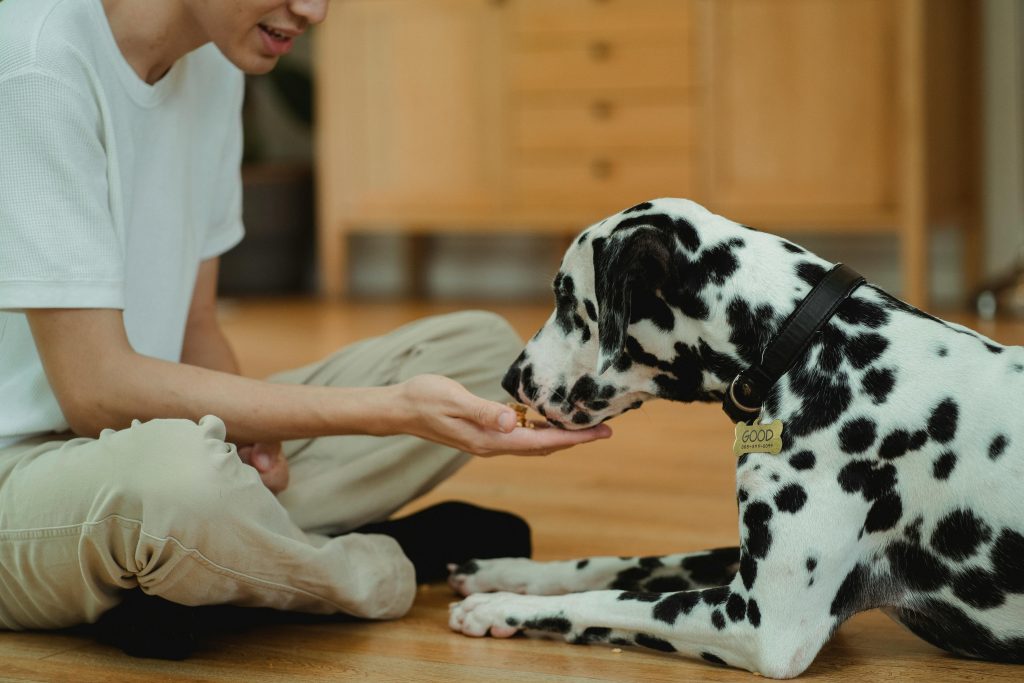
Clicker training is a specific form of reward-based training that uses a small device, called a clicker, to mark the exact behavior you want to reinforce. The clicker creates a distinct sound that your dog learns to associate with a reward, like a treat or praise. This method is rooted in science-based dog training and makes learning clear and engaging for your pet.
How Does Clicker Training Work?
- Charging the Clicker
The first step is teaching your dog what the clicker means. You click the device and immediately give your dog a treat, without asking for any behavior. Repeating this teaches your dog to associate the sound with good things.
- Marking the Behavior
Once your dog understands that the click equals a reward, you use it to mark specific actions. For example, if you’re teaching your dog to lie down, you click the moment their belly touches the floor.
- Rewarding the Behavior
After the click, you give a treat or other reward. The click serves as a bridge, letting your dog know exactly what they did right. This precise timing speeds up the learning process and makes communication clearer.
The clicker is more effective than verbal praise because it’s consistent and free from emotional tone, which can confuse your dog. It gives instant and unambiguous feedback, helping your dog understand exactly what behavior earned the reward.
Benefits of Clicker Training Over Punishment
Clicker training doesn’t just teach commands. It also improves your dog’s overall well-being and strengthens your relationship. Here’s why science-based dog training with positive reinforcement works better than punishment.
Building Trust With Your Dog
Reward-based training shows your dog that good behavior leads to positive outcomes. This builds trust and confidence. Your dog sees you as a source of rewards and fun, not fear. In contrast, punishment often damages trust. Dogs subjected to punishment may become fearful, anxious, or even shut down entirely, a behavior known as learned helplessness.
When dogs trust their trainers, they’re more willing to try new things and engage in learning. Training becomes a shared activity, not something they dread.
Encouraging a Love of Learning
Clicker training feels like a game, making dogs eager to participate. They begin offering new behaviors on their own, hoping to earn a reward. This enthusiasm keeps them engaged and focused. Punishment-based training, on the other hand, often creates stress and resistance. Dogs may withdraw or refuse to cooperate out of fear or confusion.
Positive reinforcement fosters curiosity and a willingness to learn, creating a lifelong bond between you and your dog.
Clear Communication
One of the biggest challenges in training is timing. Punishment often fails because it isn’t delivered immediately after the unwanted behavior. For example, scolding your dog for chewing on a shoe an hour later won’t teach them anything. They’ll only learn to fear you, not to stop chewing shoes.
Clicker training eliminates this issue by marking the exact moment your dog does something right. This clear and consistent communication helps your dog understand what you’re asking, making training faster and more effective.
Addressing Common Concerns About Clicker Training
“Do I have to carry a clicker forever?”
No, the clicker is just a tool for teaching new behaviors. Once your dog has mastered a command, you can phase out the clicker and reward them with praise, treats, or toys instead. Think of the clicker as training wheels—it’s there to help in the beginning but isn’t needed once your dog understands what to do.
“Isn’t this just bribery?”
Not at all. Bribery involves showing a treat to lure your dog into doing something, while clicker training rewards them after they perform the behavior. The treat is like a paycheck for a job well done, not a bribe to participate. This approach builds confidence and independence, rather than reliance on constant rewards.
“What about stubborn dogs?”
Positive reinforcement works for all dogs, regardless of breed or personality. If a dog seems stubborn, they’re likely confused, fearful, or unmotivated. Reward-based training and clear communication through clicker training address these issues by making learning simple and rewarding. Even animals like dolphins and birds respond to operant conditioning, proving that it’s effective across species.
A Smarter, Kinder Way to Train
The science is clear. Positive reinforcement is the most effective, ethical, and humane way to train your dog. By focusing on what your dog does right, you create a partnership built on trust, respect, and clear communication. Clicker training for dogs and other reward-based methods don’t just teach commands—they help you build a healthier, happier relationship with your pet. Training without punishment isn’t about being lenient. It’s about giving your dog the tools to succeed in a way that’s enjoyable for both of you.