Pet Story Blogs Dogs Dog Breeds 5 Underrated Low-Energy Dog Breeds for Apartment Living
Dog Breeds

5 Underrated Low-Energy Dog Breeds for Apartment Living

5 Underrated Low-Energy Dog Breeds for Apartment Living

Finding the perfect companion for apartment life often leads prospective owners down a predictable path. While Golden Retrievers and Labradors are popular, their high energy and need for space can make them challenging roommates in a small home. Many breeds better suited for compact living are often overlooked. When choosing an apartment dog, energy levels are more important than size. A large, lazy dog is often a better neighbor than a small, hyperactive terrier. The ideal apartment dog is adaptable, generally quiet, and content with moderate exercise. Here are five underrated breeds that thrive in apartment settings, offering companionship without the intense exercise requirements of sporting breeds.

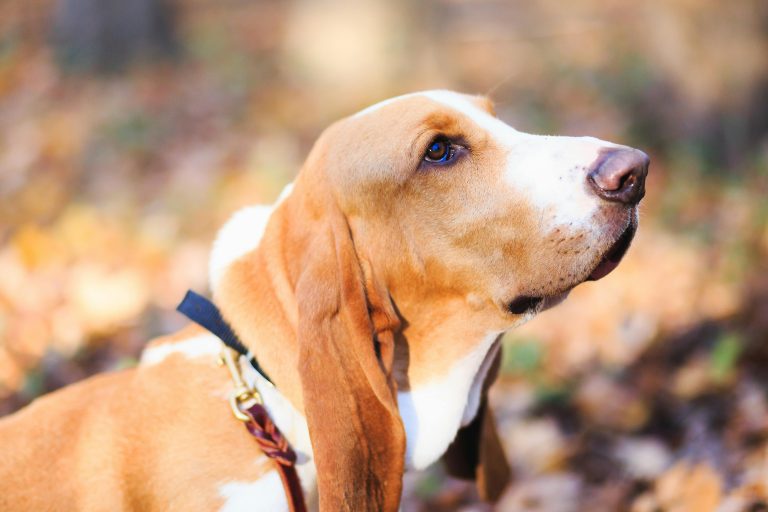
The Basset Hound: The Low-Riding Lounger

Basset Hound Dog

Instantly recognizable by their long ears and soulful expressions, Basset Hounds are secret champion nappers. Though originally bred for endurance hunting, they are remarkably low-energy indoors. Their sturdy build and deliberate pace make them excellent companions for a slower lifestyle. A Basset Hound will happily join you for a leisurely stroll, but they are just as content curling up on the sofa for hours, providing a constant and calming presence in your home. They truly represent the perfect choice for owners seeking a relaxed, affectionate, and low-maintenance four-legged friend.

Why they work for apartments:

  • Moderate exercise: A daily walk is usually enough to keep them healthy.
  • Calm temperament: They are easygoing and tolerant of close quarters.
  • Manageable noise: While they are known to howl, they are typically quieter than yappy breeds if their needs are met.

The Greyhound: The 45-mph Couch Potato

It seems counterintuitive to suggest the world’s fastest dog for a small apartment, but retired racing Greyhounds are famously lazy. Enthusiasts call them “45-mph couch potatoes.” As sprinters rather than marathon runners, they expend energy in short bursts and sleep for the rest of the day. Their thin coats also mean they prefer climate-controlled indoor environments, making them ideal companions for those who enjoy a quiet, relaxed, and cozy lifestyle at home.

Why they work for apartments:

  • Silence: Greyhounds rarely bark, meaning neighbors may never even know they are there.
  • Cleanliness: They have short coats that shed minimally and carry very little “doggy odor.”
  • Space efficiency: Despite their height, they fold into compact shapes and take up surprisingly little room.

The Cavalier King Charles Spaniel: The Ultimate Lap Dog

Originally bred to warm the laps of royalty in drafty castles, the Cavalier King Charles Spaniel takes companionship very seriously. They strike a perfect balance: small enough for a studio apartment, yet robust enough for a long weekend hike. Their primary goal is simply being near their people, making them exceptionally affectionate and devoted companions for any urban dweller seeking a loyal four-legged friend.

Why they work for apartments:

  • Adaptability: They easily adjust to their owner’s routine and energy level.
  • Friendliness: This breed generally loves everyone, from strangers in the elevator to other dogs in the lobby.
  • Size: Averaging 13 to 18 pounds, they are easily managed and usually fall within landlord weight restrictions.

The Bolognese: The Calm Cousin of the Bichon

Hailing from Italy, the Bolognese is a charming member of the Bichon family. While they share a similar appearance with the playful Bichon Frisé, their personality is notably more serious, docile, and deeply devoted to their owners. These dogs prefer to be quiet, observant companions and aren’t typically prone to the high-strung, frantic energy often associated with other small white breeds. They thrive in peaceful environments where they can stay close to their favorite humans.

Why they work for apartments:

  • Low shedding: Their hair-like coat produces very little dander and doesn’t shed like fur.
  • Low activity: They are satisfied with standard daily walks and don’t need intense indoor play.
  • Loyalty: They focus intently on their owners, though they may struggle with separation anxiety if left alone for long periods.

The Japanese Chin: The Feline Companion

For those torn between a cat and a dog, the Japanese Chin offers a fascinating middle ground. This ancient breed has several feline traits: they perch on high surfaces, groom themselves, and even swat at toys. The Chin is an elegant, quiet dog with minimal exercise needs. You’ll rarely see them running laps; they prefer to survey their home from a comfortable cushion.

Why they work for apartments:

  • Quiet nature: They are famously silent and rarely bark without a good reason.
  • Minimal exercise: Short walks are plenty. Because they don’t tolerate heat well, they prefer indoor life.
  • Manners: Naturally clean and tidy, they are ideal for maintaining a pristine apartment.

Finding Your Best Match

Choosing an apartment dog is about matching a dog’s natural instincts with your lifestyle. Beyond energy levels, consider grooming needs, trainability, and your building’s regulations. When you look beyond the most popular breeds, you’ll find dogs that don’t just tolerate apartment life—they thrive in it. Whether it’s a snoozing Greyhound or a dignified Japanese Chin, the right companion can make a small space feel like a true home.

Leave a Reply

Your email address will not be published. Required fields are marked *

Exit mobile version