Table of Contents
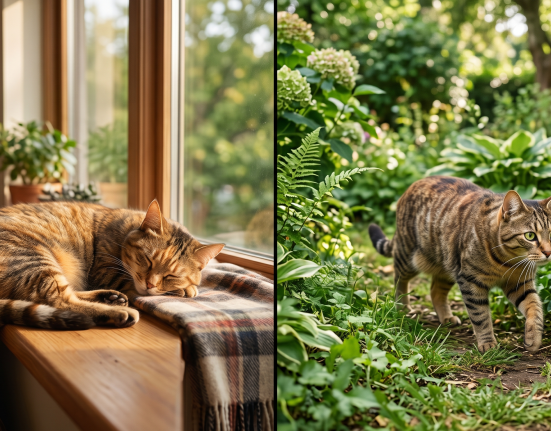
Every cat owner faces a tough choice: should you let your cat roam outside or keep them strictly indoors? This debate sparks strong opinions. The outdoors offers fresh air and natural hunting grounds, but it also presents a minefield of dangers. If you decide to keep your pet inside, you might worry they’re missing out. Fortunately, you can provide a fulfilling, entertaining life for your cat right in your living room. Let’s explore the risks of outdoor life and share actionable ways to maximize your indoor cat’s happiness.
The Risks of Outdoor Life for Cats
When a cat goes outside, they face numerous serious threats. Busy streets lead to tragic accidents, and even in quiet neighborhoods, predators like coyotes or loose dogs pose a constant danger.
Beyond physical injuries, outdoor cats often encounter other pets and feral colonies. These interactions can lead to territorial fights and the transmission of severe illnesses like Feline Immunodeficiency Virus (FIV) and Feline Leukemia Virus (FeLV), which spread through bite wounds.
Additionally, cats are natural predators. A free-roaming feline population can drastically reduce local bird and small mammal populations, disrupting delicate ecosystems.
Benefits of Keeping Cats Indoors
Keeping your cat indoors is the best way to extend its lifespan. Statistics consistently show that indoor cats live significantly longer, healthier lives than their outdoor counterparts.
By keeping your cat inside, you eliminate the risk of traffic accidents or poisoning from substances like antifreeze. You also save them from the stress of defending a large outdoor territory. Inside, your cat can relax, knowing their environment is secure.
Challenges of Indoor Life
While the indoors provides safety, it has trade-offs. The most significant challenge is preventing boredom. Without the stimulation of the outdoors, an indoor cat can easily become under-stimulated.
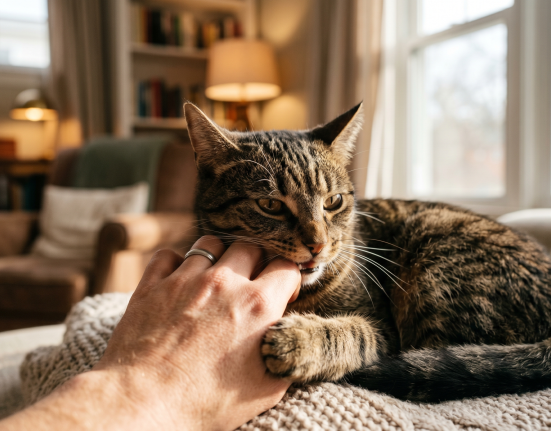
This lack of activity often leads to a sedentary lifestyle, and obesity is a major problem for indoor cats, bringing secondary health issues like diabetes and joint pain. Boredom can also manifest as frustrating behaviors, including excessive meowing, destructive scratching, or aggression. Addressing these challenges is the key to a happy indoor cat.
Tips for Keeping Indoor Cats Happy
You don’t need a sprawling garden or outdoor access to keep your feline friend happy and entertained. In fact, with a bit of creativity and a few simple enrichment strategies, you can transform your home into the ultimate cat playground that satisfies their natural instincts. It’s all about providing the right kind of stimulation to keep them active, engaged, and content within their indoor environment.
Interactive Play
Interactive toys are a great way to keep your cat physically active and mentally stimulated, strengthening your bond through play. Mimic a bird with a feather wand or simulate prey by dragging a plush mouse across the floor. Aim for two or three short play sessions daily to keep your cat engaged and happy.
Climbing Opportunities
Cats have a natural instinct to climb and feel safest when observing their territory from above. You can satisfy this need by installing a sturdy, multi-level cat tree in a central part of your home. If you’re short on floor space, floating wall shelves designed for cats can create an engaging vertical climbing path.
Mental Stimulation
Turn feeding time into a mental challenge by replacing your cat’s food bowl with a puzzle feeder or treat-dispensing toy. These interactive tools require your cat to use their paws, nose, and problem-solving skills to get their food. This not only slows down their eating but also mimics the effort of hunting prey in the wild, providing crucial mental stimulation and preventing boredom.
Outdoor Views
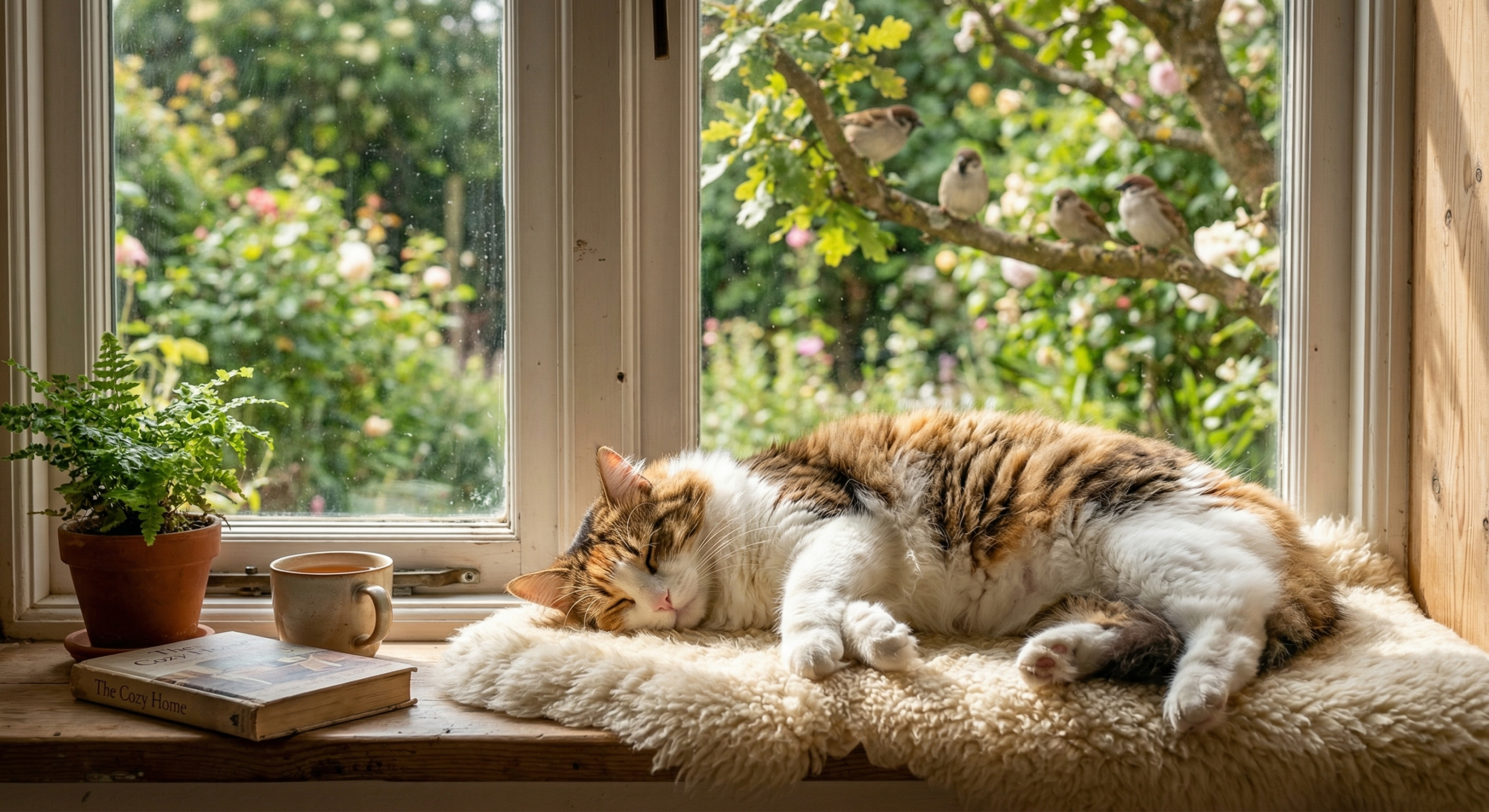
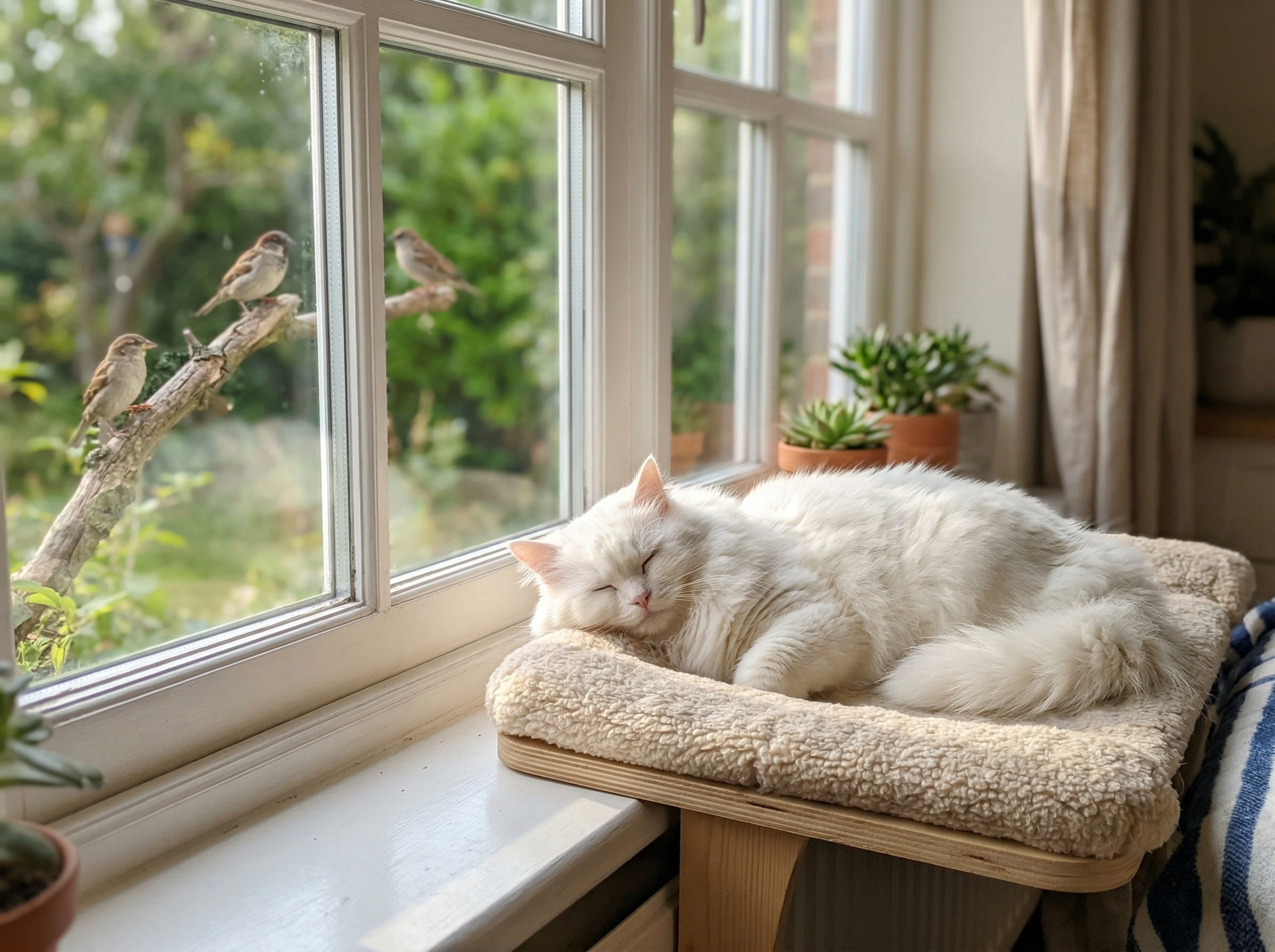
Give your cat a front-row seat to the great outdoors with a designated window-watching spot. You can clear a windowsill for sunbathing or install a window perch for a better view. To make it more entertaining, place a bird feeder or bath outside to create hours of “cat TV,” allowing your feline to engage their natural hunting instincts. For the ultimate upgrade, a screened-in porch or “catio” lets your cat safely experience the sights, sounds, and smells of nature.
Social Interaction
Your cat relies on you for companionship. Spend quality time with them every day, whether it’s petting them, brushing their coat, or teaching them simple tricks using positive reinforcement. If your cat enjoys the company of other animals, you could adopt a second cat with a similar energy level to give them a constant playmate.
Creating a Safe Indoor Environment
Before setting up these activities, ensure your home is completely safe. Cat-proofing involves securing blind cords, hiding electrical wires, and ensuring all window screens are secure.
You must also provide appropriate scratching surfaces. Place sturdy scratching posts near their favorite sleeping areas so they can stretch when they wake up. Finally, check your houseplants. Many common plants, like lilies, are highly toxic to cats. The ASPCA Animal Poison Control Center has a comprehensive database of safe and unsafe plants.
Alternatives to Outdoor Access
If your cat is desperate to feel grass under its paws, you can provide safe outdoor experiences.
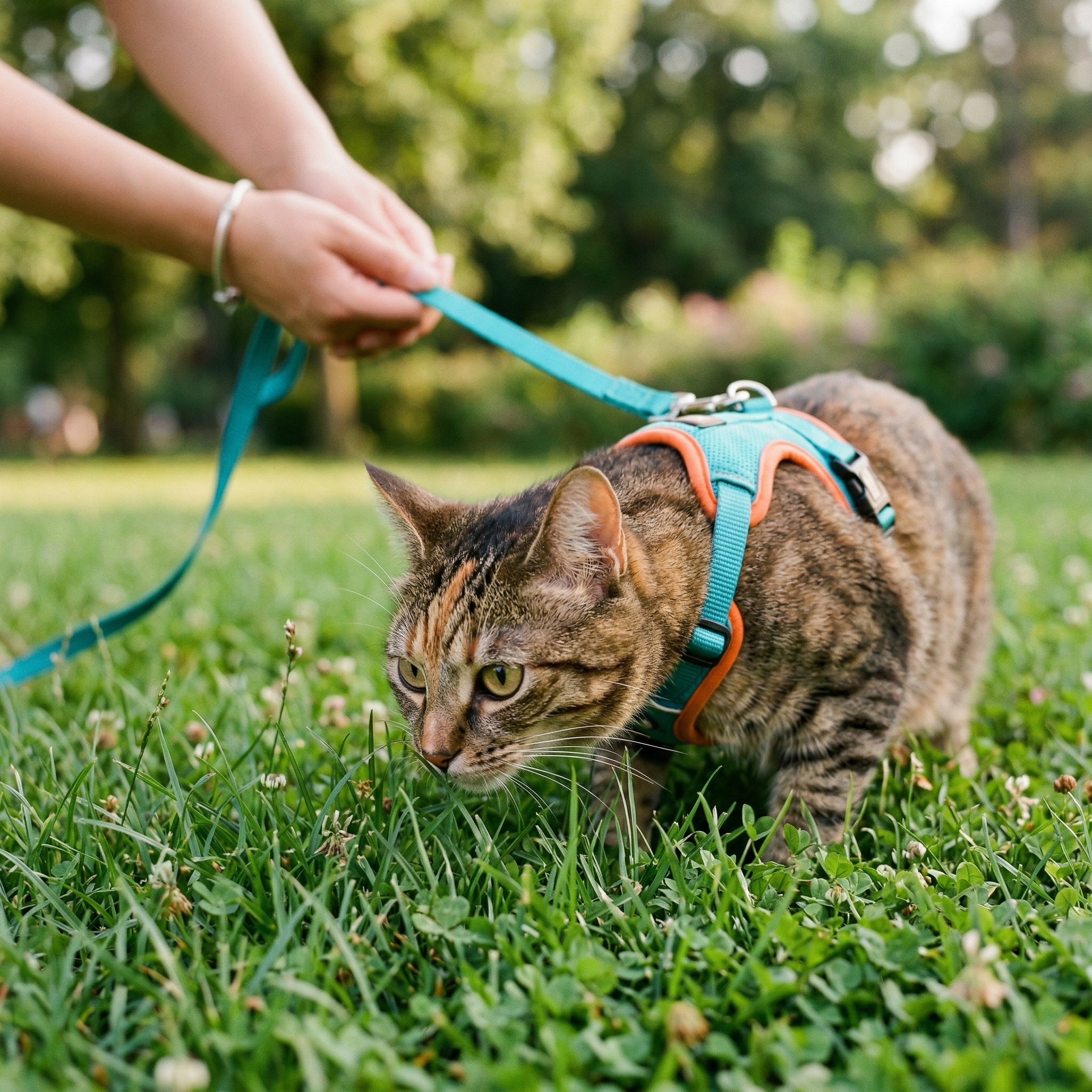
- Leash Training: Many cats can learn to walk on a specialized feline harness. Start by letting them wear it indoors for short periods, rewarding them with high-value treats.
- Catios: A catio is a fully enclosed patio for cats. You can build a small one for a window or a larger, walk-in structure in your backyard.
- Supervised Outdoor Time: If you have a secure, escape-proof backyard, you can sit outside with your cat while they explore. They must be supervised at all times.
Addressing Common Concerns
Even with the best enrichment, transitions can be challenging. If your previously outdoor cat paces and meows at the door, ignore the behavior to avoid reinforcing it. Instead, redirect their energy with an engaging toy.
If your cat scratches the furniture, don’t yell. Place a scratching post directly next to the damaged area and sprinkle it with catnip. If you notice weight gain, switch to a measured diet and increase their daily exercise. With patience and consistency, these hurdles can be overcome.
Conclusion
The debate over indoor vs. outdoor cats boils down to safety versus stimulation. Fortunately, you can provide an enriching life for your cat without opening the front door. By investing in interactive toys, utilizing vertical space, and offering puzzle feeders, you can guarantee a safe and joyful existence for your furry friend.
Always consult your veterinarian for personalized advice regarding your cat’s health. If you want to learn more about feline wellness, explore more expert guides and resources here on petstory.org