
Table of Contents
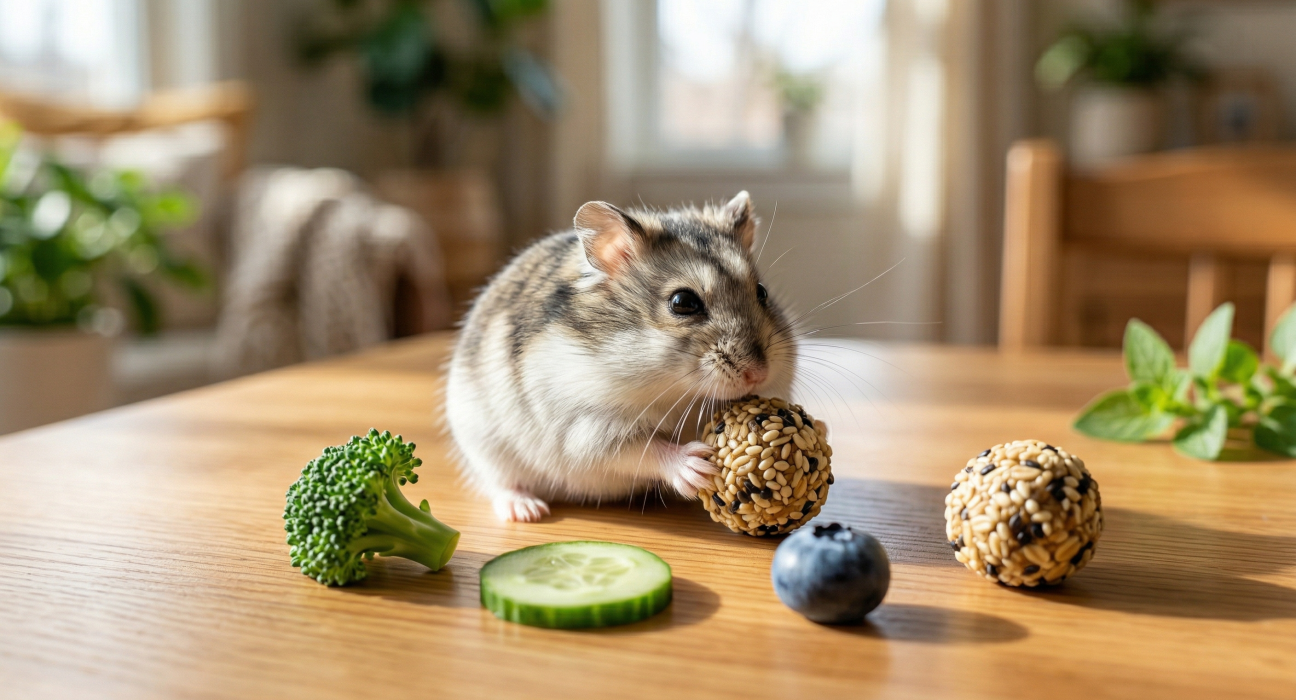
Hand-feeding a tiny slice of cucumber to your hamster and watching them stuff it into their cheek pouches is one of the most rewarding parts of owning a small pet. Offering food bridges the gap between you and your pet, building immense trust. It transforms a skittish animal into a confident companion who eagerly greets you at their cage door.
While spoiling your pet is fun, their digestive systems are incredibly delicate. The wrong snack can lead to severe stomach upset or long-term health problems. Finding safe treats for hamsters requires some knowledge and a focus on whole, natural ingredients.
This guide breaks down how to reward your tiny friend safely. We will explore what makes a snack healthy, outline the best hamster food additions, and share a fun DIY recipe you can make at home.
What Makes a Treat Safe for Hamsters?
Hamsters are omnivores, thriving on a varied diet of grains, seeds, vegetables, and occasional protein. The foundation of their diet must always be a high-quality, commercially prepared pellet or seed mix. Treats should make up no more than 10% of their total caloric intake. They exist to complement their diet, not replace essential nutrients.
A safe snack is low in moisture, low in sugar, and free from artificial additives. Wild hamsters come from dry, arid environments, so their bodies aren’t designed to process large amounts of sugar or heavily processed human foods. Feeding them salty chips or sugary yogurt drops can lead to obesity, tooth decay, and diabetes—especially in dwarf hamster breeds, which are prone to blood sugar spikes.
Stick to fresh, single-ingredient items. If you can’t pronounce the ingredients on a store-bought package, it belongs on the shelf, not in your pet’s food bowl.
Top 5 Safe and Healthy Treats (Grouped into 5 Categories)
To make shopping easy, we’ve grouped the top five healthy hamster snacks into five core categories. These provide excellent nutritional benefits and exciting textures for your pet.
Crunchy Root Vegetables
- Carrots: Packed with Vitamin A, carrots offer a fantastic crunch. The hard texture also naturally files down a hamster’s ever-growing teeth. Give a piece the size of your pinky fingernail once or twice a week.
- Sweet Potatoes: This must be cooked (boiled or baked without oil and salt). It provides excellent dietary fiber. Offer a pea-sized amount once a week.
Hydrating Greens
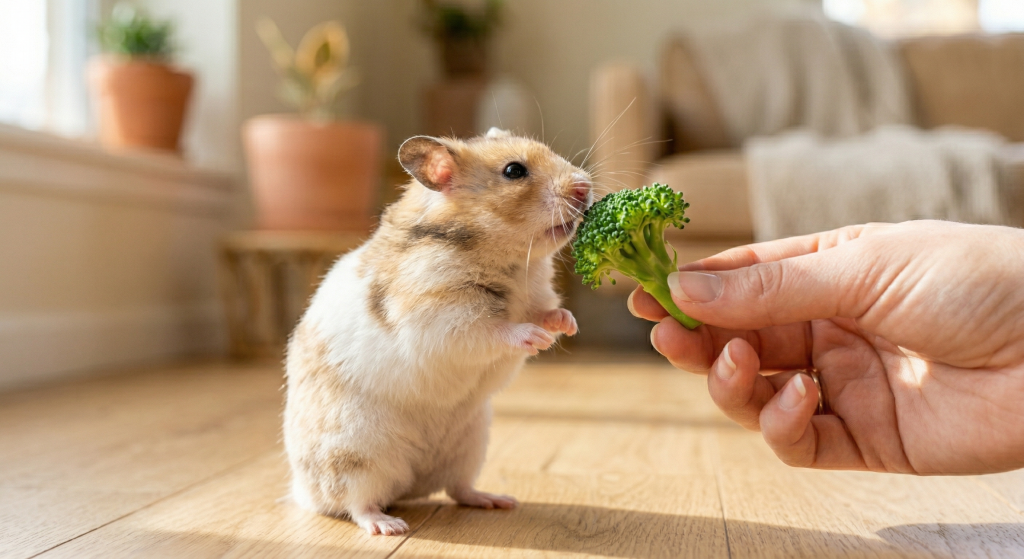
- Broccoli: High in antioxidants and safe to feed raw. The tiny florets are easy for hamsters to hold. Offer a small floret once a week.
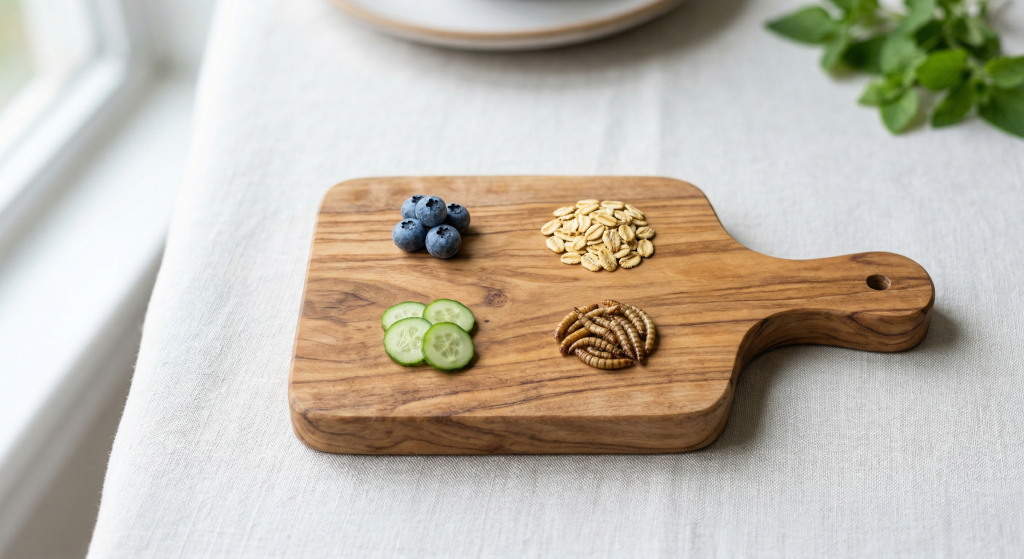
- Cucumber: Because it’s mostly water, cucumber is a refreshing summer treat. To prevent diarrhea, limit their portion to one thin quarter-slice per week.
Fresh Fruits (Nature’s Candy)
- Apples: A wonderful, sweet reward. You must remove all seeds before feeding, as they are toxic to small animals. Give a tiny cube once a week.
- Blueberries: Rich in vitamins and perfectly sized for tiny paws. Offer one blueberry per week as a special dessert.
Protein-Packed Snacks
- Mealworms: You can buy these dried in the reptile or bird aisle of your pet store. They mimic a hamster’s natural foraging behavior and provide excellent protein. Give 1-2 dried mealworms every few days.
- Hard-Boiled Eggs: Plain, unseasoned hard-boiled egg whites are excellent for pregnant, nursing, or elderly hamsters needing a protein boost. Offer a pea-sized piece once a week.
Seeds and Grains
- Pumpkin Seeds: Unsalted, unroasted pumpkin seeds contain healthy fats for a shiny coat. Hand one seed to your hamster every few days.
- Plain Oats: Simple rolled oats (never the flavored instant packets) provide great fiber and are gentle on sensitive stomachs. Sprinkle a small pinch over their regular food bowl twice a week.
Foods to Avoid
Knowing what to feed your pet is as important as knowing what to keep away from their cage. Some everyday human foods are highly toxic to small animals.
Never feed your hamster:
- Chocolate and Caffeine: These contain theobromine, which is fatal to hamsters.
- Onions, Garlic, and Leeks: These damage red blood cells and can cause severe anemia.
- Citrus Fruits: Oranges, lemons, and grapefruits are highly acidic and will cause mouth sores and stomach upset.
- Almonds: Bitter almonds contain traces of cyanide. It’s safest to avoid all almonds.
- Apple Seeds and Fruit Pits: These pose both a choking hazard and a toxicity risk.
If you suspect your hamster has eaten something toxic, watch for signs of illness. Lethargy, diarrhea, heavy breathing, or a sudden refusal to eat are all medical emergencies. The ASPCA Animal Poison Control Center offers excellent resources on household toxins.
How to Introduce New Treats
Hamsters have sensitive digestive tracts. Introducing a large amount of fresh vegetables to a hamster that has only ever eaten dry pellets will almost certainly result in “wet tail”—a severe, often fatal form of diarrhea.
Slow and steady is the best approach. When offering a new food, start with a piece no larger than a grain of rice. Wait 24 to 48 hours and monitor your hamster closely. Check their droppings during cage cleaning; if their droppings remain solid and their energy is normal, you can gradually increase the treat to a pea-sized amount the following week.
If you notice any loose stools, stop feeding the new treat immediately and revert to their dry food and fresh water until their system stabilizes.
DIY Hamster Treat Ideas
Store-bought treats are convenient, but making your own ensures you know exactly what your pet is eating. Plus, it’s a fun project!
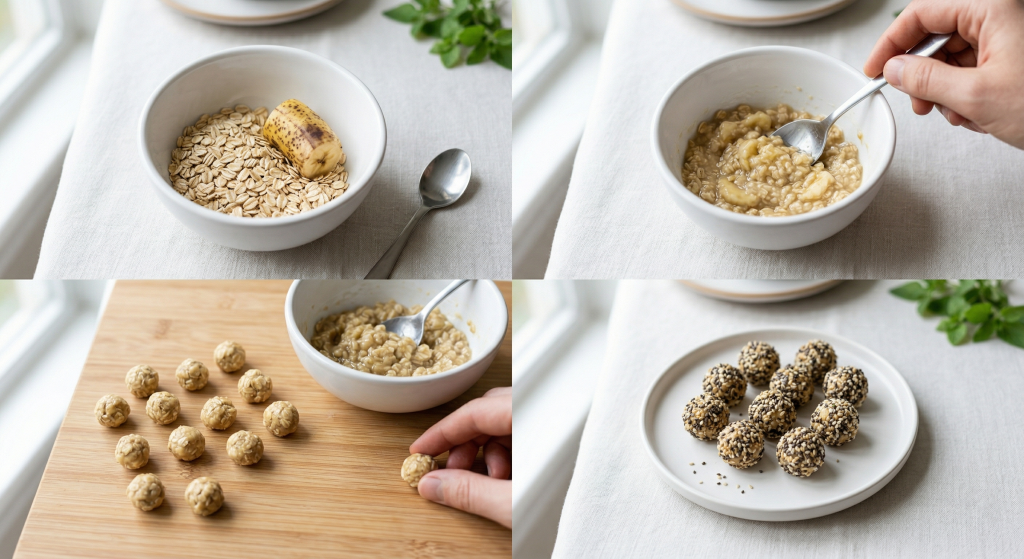
Recipe: Banana Oat Foraging Balls
These simple, no-bake treats use ingredients you probably already have.
Ingredients:
- 1 tablespoon of plain rolled oats
- 1 thin slice of ripe banana, mashed
- 1 tiny pinch of safe seeds (like chia or unsalted sesame seeds)
Instructions:
- In a small bowl, combine the rolled oats and mashed banana.
- Mix with a spoon or your fingers until it forms a sticky dough.
- Pinch off small amounts of the mixture and roll them into balls the size of a small blueberry.
- Roll the balls in your pinch of seeds for a crunchy coating.
- Place the balls on a plate and refrigerate for two hours to firm up.
- Offer one ball to your hamster and store the rest in an airtight container in the fridge for up to three days.
Keeping Your Hamster Healthy and Happy
Providing safe treats is an excellent way to enrich your hamster’s daily routine and strengthen your bond. By prioritizing fresh vegetables, safe proteins, and healthy grains, you can protect their delicate digestive systems while offering exciting new flavors. Always remember that moderation is the key to a long, healthy life for your tiny companion.
If you are ever unsure about a specific food or notice changes in your pet’s eating habits, consult an exotic animal veterinarian for personalized guidance. Websites like PetMD also provide veterinary-reviewed advice for small animal care.