
Table of Contents
Imagine driving along a scenic coastal highway, windows gently rolled down, while your dog relaxes happily in the backseat, nose twitching in the fresh ocean breeze. Or picture settling into a cozy mountain cabin with your adventurous cat purring gently on the bed beside you. Traveling with pets turns an ordinary vacation into a memorable bonding experience.
Still, let’s be honest: bringing your furry companion on a trip can feel intimidating. What if your pet gets motion sickness? How do you handle airport security with a nervous cat? Will you be able to find a hotel that truly welcomes pets? These concerns are completely normal.
The key to a smooth, stress-free adventure lies in preparation. When you know how to travel with pets, you replace anxiety with excitement and ensure a positive experience for both you and your pet. In this comprehensive guide, you’ll learn how to prepare your companion for the journey, what essentials to pack, and pet-friendly travel tips for cars, planes, and trains. By the end of this article, you’ll be ready and confident to plan your next adventure together.

Why Traveling with Pets Can Be Rewarding
Many people believe the common myth that pets are simply too much work to travel with and should be left at home or in a boarding facility. While boarding can be the right option for highly anxious animals, bringing pets along is completely doable and incredibly rewarding.
First, traveling together strengthens your bond. Experiencing new sights, smells, and sounds side by side fosters deep trust. When you guide your dog along a new hiking trail or help your cat settle into a hotel room, they look to you as their source of safety and comfort.
Taking your pet with you also encourages you to slow down and truly appreciate your surroundings. Instead of rushing from one tourist attraction to another, you’ll enjoy leisurely walks in local parks, stop at pet-friendly outdoor cafés, and easily spark conversations with fellow animal lovers. Pets are fantastic icebreakers—you’ll likely make new friends who stop to admire your companion.
I still remember taking my rescue mix, Luna, to the beach for the first time. She had never seen the ocean before. Watching her cautiously approach the water, figure out how the waves worked, and zoom delightedly across the sand brought more joy than any typical sightseeing tour could. These are the irreplaceable memories you create by traveling with your pet.
Preparing Your Pet for Travel
A successful trip starts well before your departure. You can’t simply put a harness on your pet, toss them in the car, and hope for the best. Careful preparation is essential for easy travel.
Schedule a Visit to the Vet
Your first step should always be a visit to your veterinarian to confirm your pet is healthy enough for travel. Ask for a general checkup and ensure all vaccinations are up to date. If you’re crossing state lines or flying, you’ll likely need a health certificate. Organizations like the USDA Animal and Plant Health Inspection Service (APHIS) provide detailed information about the paperwork required for various destinations.
Also, discuss any concerns about travel anxiety or motion sickness. Your vet may recommend mild sedatives or anti-nausea medication to keep your pet comfortable.
Update Identification and Microchips
Accidents can happen, and pets can get lost in unfamiliar places. Before your trip, check that your pet’s collar fits securely and that the ID tag displays your current cell phone number. Also, ensure your pet’s microchip information is registered and up to date. In case they get separated from you, a microchip is their best chance of returning home.
Acclimate Them to Their Carrier
A common mistake is pulling the travel carrier out only minutes before leaving. For cats or small dogs, the carrier is often associated with stressful trips to the vet. Change this association by leaving the carrier out in the living room with the door open for a few weeks before your trip. Place their favorite blanket, treats, and toys inside, and feed them near or in the carrier. Soon, your pet will view it as a cozy den instead of a scary trap.

Packing Essentials for Pet-Friendly Trips
When it comes to packing, think of your pet as a toddler who needs their own travel bag. Here’s a comprehensive packing checklist for traveling with pets:
- Food and Water: Bring more than enough of your pet’s regular food. Sudden dietary changes can cause upset stomachs. Pack some tap water from home, since different local water can sometimes affect sensitive digestive systems.
- Collapsible Bowls: Silicone travel bowls are lightweight, easy to clean, and perfect for pit stops.
- Medications and First-Aid: Pack any daily medications, flea and tick preventatives, and a basic pet first-aid kit with bandages, antiseptic wipes, and tweezers for tick removal.
- Leashes and Harnesses: Always pack a spare leash. A sturdy harness is crucial, especially for cats, to prevent them from escaping if they become frightened.
- Waste Management: Stock up on waste bags for dogs. For cats, bring a portable litter box, scoop, and a small bag of their familiar litter.
- Bedding and Toys: Comfort is key. Bring an unwashed blanket from their bed and a few favorite chew toys to help them relax.
- Cleaning Supplies: Paper towels, pet-safe wet wipes, and an enzymatic cleaner will help you tackle inevitable messes or muddy paws.
Tips for Traveling by Car, Plane, or Train
Your mode of transportation determines specific preparations, as each method comes with its own guidelines and best practices.
Hitting the Road: Car Travel
Road trips are the most flexible and often the easiest way to travel with pets, as you set the environment, temperature, and schedule.
Safety comes first. Never let your dog roam freely in the car or sit in your lap while driving—a loose pet is a distraction and risks serious injury during sudden stops. Use a crash-tested safety harness attached to the seatbelt, or secure your pet in a well-ventilated travel crate fastened to the seat.
Take frequent breaks—every two to three hours—to allow your dog to stretch, sniff, and hydrate. For cats, keep them in their carrier while car doors are open, and offer water or litter box access during safe, quiet stops.
Taking to the Skies: Air Travel
Air travel requires careful planning. Airline requirements change often, so review your carrier’s pet policy in advance.
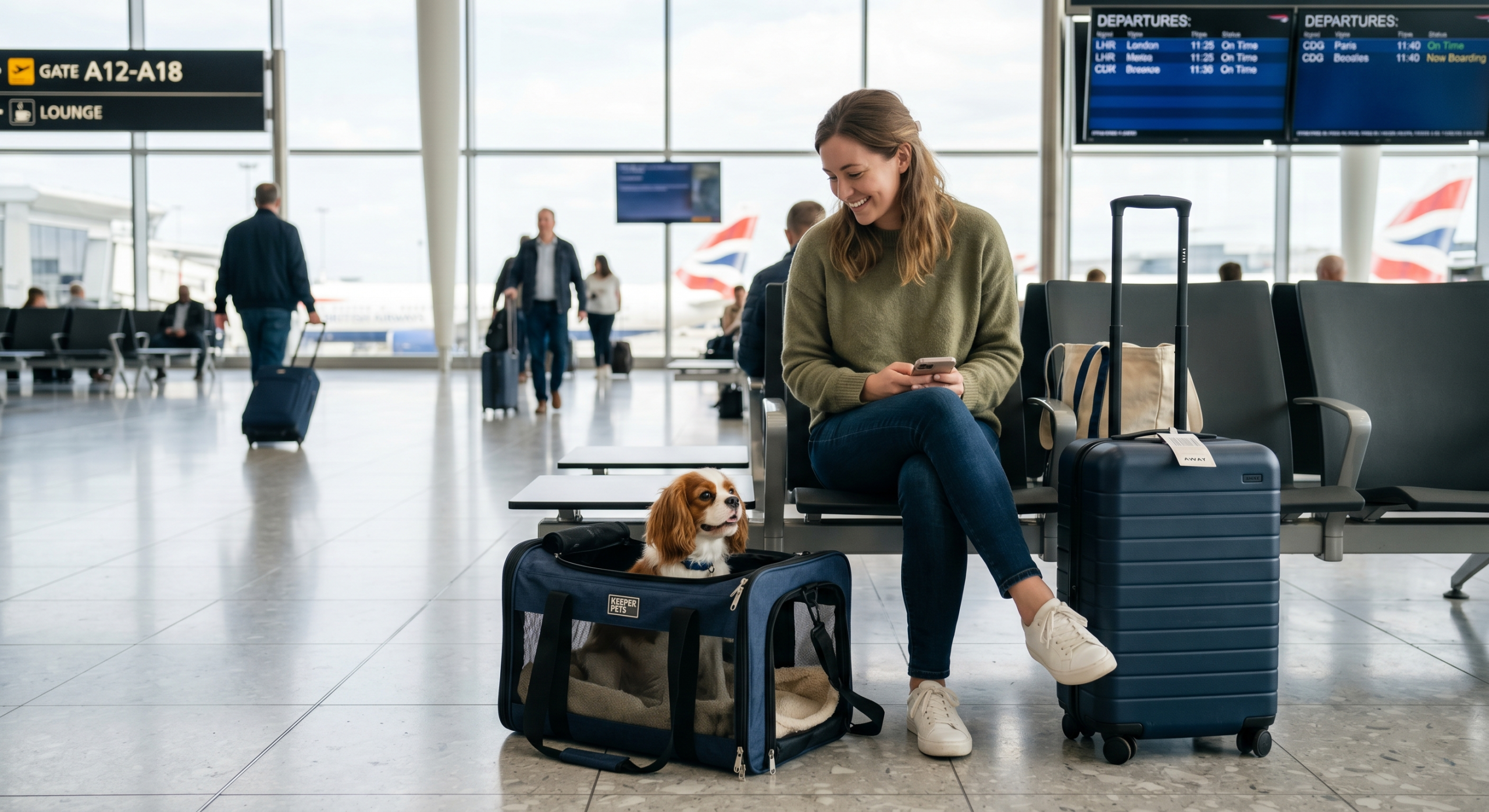
Whenever possible, book a flight that allows your small dog or cat to fly with you in the cabin, using an airline-approved soft-sided carrier that fits under the seat. Airports can be noisy and overwhelming, so drape a light blanket over the carrier to reduce stress.
If your large dog must fly in cargo, book a direct flight to reduce handling. Use a robust, well-ventilated crate clearly labeled with your contact information, and place a frozen bowl of water inside to prevent spills.
Riding the Rails: Train Travel
Train travel is increasingly pet-friendly. For example, Amtrak in the United States allows small dogs and cats on many routes if they remain in a carrier under your seat.
Trains tend to be quieter and smoother than cars or planes. Bring a favorite chew toy or a lick mat covered in peanut butter—licking calms most dogs and can help settle them during the ride.

Ensuring Comfort and Safety During the Journey
Your pet’s comfort impacts the success of your trip. An anxious animal may whine, pace, or refuse to eat, quickly turning a vacation into a headache.
Monitor temperatures closely. Cars can heat up dangerously in minutes, even on mild days. Never, under any circumstances, leave your pet in a parked vehicle. In winter, bring warm blankets or a sweater for short-haired breeds.
Manage anxiety by remaining calm yourself—pets pick up on your stress. Speak gently and offer comfort often.
Stick to their regular routine as much as possible. Feed them on schedule and maintain exercise habits. Familiar routines bring security, even in unfamiliar places.
Final Thoughts: Making Memories with Your Pet
Learning how to travel with pets takes practice, but the rewards are enormous. With research, thoughtful packing, and attention to your pet’s needs, you can transform a potentially stressful experience into a smooth and joyful adventure.
There’s nothing like waking up in a new city or a peaceful forest, seeing your best friend excited to start the day by your side. These shared experiences create a lifetime of beautiful memories.
Feeling inspired to hit the road? Start planning your next pet-friendly trip today! Practice carrier training, look into pet-welcoming hotels or campsites, and chart your route. If you found these pet-friendly travel tips helpful, share this article with your fellow pet parents. For more expert advice, in-depth destination guides, and training insights, explore the rest of our resources at PetStory.org.
Safe travels to you and your furry best friend!