Table of Contents
Stepping into an animal shelter is nothing short of magical. As you walk past rows of hopeful faces, there’s often a moment when you lock eyes with one particular animal—and in that instant, you know your life is about to change. Adopting your first pet is an incredibly rewarding journey, filled with joyful milestones, warm cuddles, and an unbreakable bond of unconditional love.
However, bringing a new animal into your life is a significant commitment. If you’re considering adopting a pet, it’s natural to have plenty of questions. How do you find the right match? What supplies will you actually need? How can you help a nervous rescue animal feel safe in an unfamiliar environment?
Understanding the adoption process and preparing your home in advance can turn what might feel overwhelming into a smooth, joyful experience. This comprehensive pet adoption guide will walk you through every phase of the journey. Together, we’ll explore what it takes to find, welcome, and bond with your new furry family member.

Why Adopt? The Benefits of Pet Adoption
Before we dive into the logistics of bringing an animal home, let’s explore why adoption is such a meaningful and rewarding path to pet ownership. Choosing to adopt—rather than purchasing from a pet store or breeder—creates a profound ripple effect of good in your community, and in your life.
Saving Lives and Fighting Overpopulation
Every year, millions of wonderful, healthy animals enter shelters across the country. As the ASPCA highlights, many shelters struggle with severe overcrowding. When you choose to adopt, you are literally saving a life—and, in fact, you’re saving two. By adopting a shelter pet, you also open up a valuable kennel space for another homeless animal in desperate need of safety and care. Pet adoption plays a central role in combating the overwhelming crisis of pet overpopulation and helps reduce demand for unethical commercial breeding operations, commonly known as puppy mills.
The Unmatched Emotional Bond
There’s something truly special about the bond you create with a rescued animal. While we can never fully know what a shelter pet experienced before finding you, these companions often display a remarkable sense of gratitude once they finally feel safe. Watching a timid, uncertain pet grow into a confident, joyful family member is an emotional reward unlike any other.
Debunking Common Misconceptions
Let’s take a closer look at a common misconception: the idea that shelter pets are “broken” or inherently flawed. In reality, nothing could be further from the truth.
Many people mistakenly assume that animals end up in shelters only because they have severe behavioral issues or untreatable health problems. In reality, The Humane Society of the United States reports that the vast majority of shelter pets lose their homes due to human circumstances completely beyond their control. Families may be forced to move to housing that doesn’t allow pets, face sudden financial hardships, or experience major life changes like divorce that make it impossible to keep their beloved companions. Many shelter pets are already house-trained, socialized, and eager to share their love with a new family.
Choosing the Right Pet for Your Lifestyle
Choosing the right pet is essential for a positive adoption experience. It’s important to find an animal whose energy level and needs genuinely fit your daily routine. Be honest with yourself about your lifestyle, living space, and long-term plans before welcoming your first pet into your home.
Evaluate Your Daily Routine
Before you begin browsing shelter websites, honestly assess your daily routine. Ask yourself these key questions:
- How many hours do you work? If you are out of the house for 10 to 12 hours a day, a high-energy puppy who needs frequent potty breaks and constant socialization is not a fair choice. A laid-back adult cat might be a much better fit.
- How active are you? Do you spend your weekends hiking rugged trails, or do you prefer binge-watching television on the couch? Match your pet to your actual energy level, not your aspirational one. An Australian Shepherd needs miles of running daily, while a Basset Hound is happy with a casual neighborhood stroll.
- What is your budget? Pets require a financial commitment. Beyond food and basic supplies, you must budget for routine veterinary care, emergency medical expenses, flea and tick prevention, and potential pet sitting or dog walking services. The American Kennel Club (AKC) provides detailed breakdowns of potential costs.
Puppies and Kittens vs. Adult and Senior Pets
It’s tempting to fall for an adorable, fluffy puppy or kitten. However, young animals require an enormous amount of time, patience, and ongoing training. They often chew on shoes, wake you up in the middle of the night, and need several months of devoted potty training.
If you’re a first-time pet owner, we highly recommend considering an adult or senior pet. These animals already have established personalities, so you’ll know exactly what to expect.
Take the Miller family, for example. With two young children and busy full-time jobs, they dreamed of having a dog but knew a high-energy puppy would only add to their daily chaos. Instead, they welcomed Buster, an eight-year-old Golden Retriever mix. Buster was already house-trained, knew his basic commands, and was perfectly content to nap on the rug while the kids did their homework. Adopting a senior dog brought immediate calm and joy to their bustling household—without the added stress of puppy training.

Preparing Your Home for a New Pet
Once you’ve decided on the type of pet you want, it’s time to prepare your home before their arrival. Setting up your living space in advance will help your new pet feel safe and secure right from the start. A thoughtfully prepared environment makes it easier for your pet to adjust, creating a smooth, low-stress transition and laying the groundwork for a happy life together.
Pet-Proofing Your Living Space
Look at your home through the eyes of a curious pet. Eliminate temptations and address potential hazards to create a safe environment.
- Secure the kitchen: Install child-proof latches on lower cabinets where you keep cleaning supplies or trash. Ensure all toxic human foods, such as chocolate, grapes, onions, and xylitol (an artificial sweetener), are stored securely out of reach.
- Hide electrical cords: Puppies and kittens love to chew on dangling wires. Tuck cords behind heavy furniture or purchase protective cord covers.
- Check your houseplants: Many common decorative plants, including lilies, pothos, sago palms, and aloe vera, are highly toxic to cats and dogs. The Pet Poison Helpline offers a comprehensive list. Research every plant in your home and move toxic ones completely out of reach, or rehome them to a pet-free friend.
- Store small objects: Put away shoes, children’s toys, hair ties, and loose change. These items are easily swallowed and can cause life-threatening intestinal blockages.
Set Up a Designated Safe Zone
When a new pet enters your home, the sheer size and unfamiliarity of the space can be overwhelming. Instead of giving them free roam right away, create a designated “safe zone.”
Select a quiet room, such as a spare bedroom or a cozy corner of the living room, and equip it with everything your new pet will need. Provide their bed, food, and water bowls, a few toys, and, if you’re adopting a cat, a litter box. This smaller, enclosed space allows your pet to decompress and adjust to big changes without feeling overwhelmed. Once your pet is comfortable and confident in this safe zone, you can begin gradually introducing them to the rest of your home.
Gather Essential Supplies
Save yourself the stress of a last-minute pet store run by gathering the essentials in advance. Here’s what you’ll need to welcome your new companion home:
- High-quality food (preferably the same brand the shelter was feeding them to avoid an upset stomach)
- Stainless steel or ceramic food and water bowls
- An adjustable collar, a sturdy leash, and an ID tag with your contact information
- A comfortable bed or a training crate
- Species-appropriate grooming tools and an enzymatic cleaner for inevitable accidents
The Adoption Process: What to Expect
While each animal shelter and rescue organization may have its own process, the overall steps for adoption are often quite similar. Understanding what to expect will help you navigate the paperwork confidently and with less stress.
Researching Shelters and Rescues
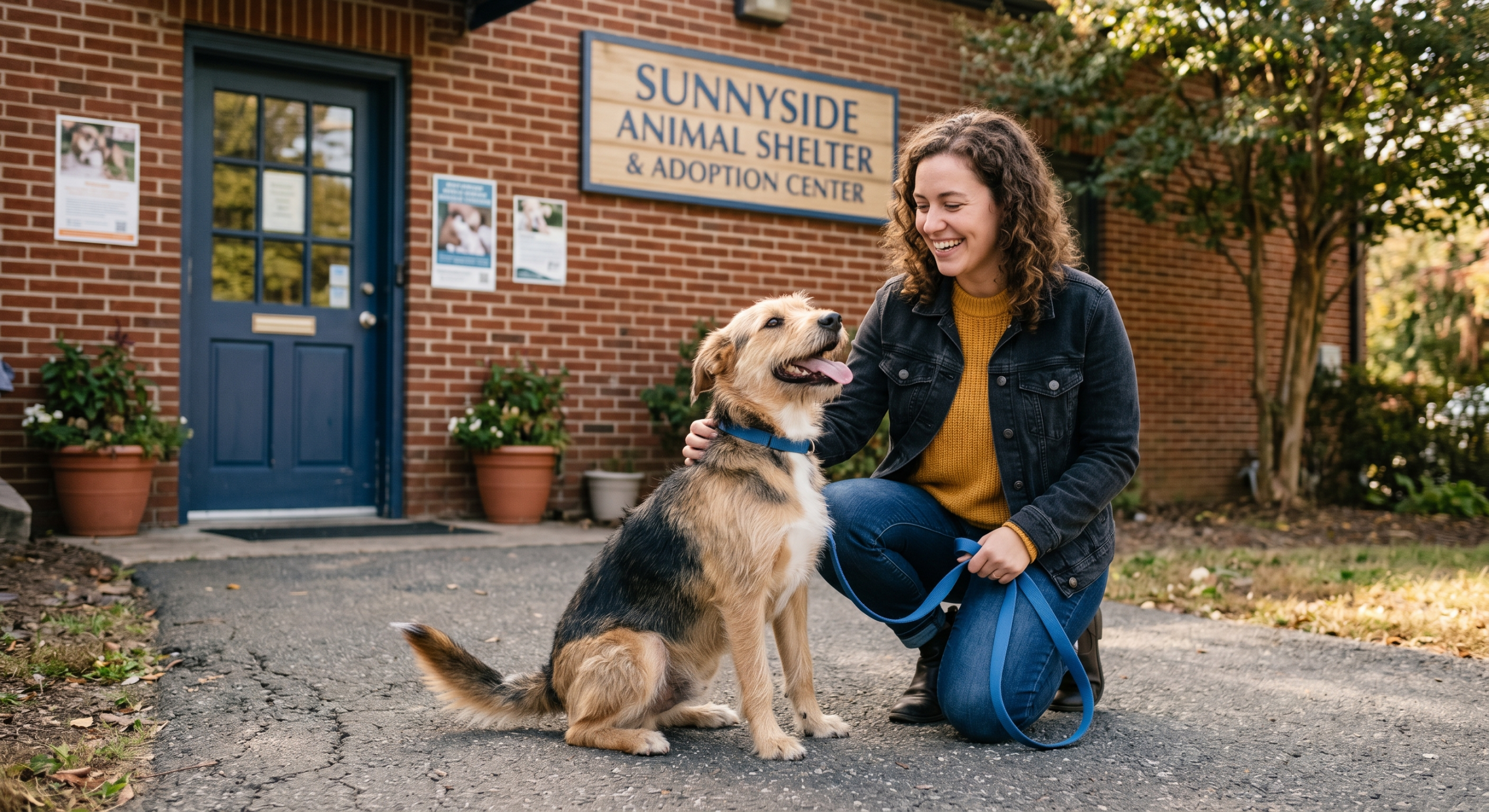
Begin your search by exploring local municipal shelters, humane societies, and private rescue groups in your area. Platforms like Petfinder make it easy to browse available animals online, letting you read short bios and view photos before you visit in person. Private foster-based rescues are also excellent options, since the animals live in real homes rather than kennels. Foster parents can provide valuable insight into a pet’s behavior in a home environment, describe their interactions with children, and share how well they get along with other animals.
The Application and Interview
When you find a pet you truly connect with, you’ll need to fill out an adoption application. Don’t be discouraged if the paperwork feels detailed—shelters ask a variety of questions to ensure the best possible match, setting you and your new companion up for a successful and lasting relationship.
Be ready to answer questions about your daily routine, living situation, and plans for veterinary care. If you rent, the shelter may request a copy of your lease or your landlord’s contact information to confirm that pets are allowed. They might also ask for personal references or a note from your veterinarian if you’ve had pets in the past.
Some rescues may require a brief home visit—not to judge your decorating skills or housekeeping, but simply to ensure your yard is securely fenced and your home is generally safe for an animal.
The Meet-and-Greet
Once your application is approved, you’ll have the opportunity for a formal meet-and-greet. Spend some quiet time sitting with the animal—play with them, offer treats, and observe their body language. If you already have a dog at home and are adopting a second one, the shelter will usually require a neutral territory introduction to make sure the two dogs get along.
Understanding Adoption Fees
Adoption fees typically range from $50 to $300, depending on the organization, the animal’s age, and your location. While this may seem like a high upfront cost, it’s actually an incredible value. Most shelter adoption fees include the cost of spaying or neutering, age-appropriate vaccinations, deworming, heartworm testing, and a microchip. If you were to pay for all these essential medical services out of pocket at a private veterinary clinic, the total could easily exceed $500.

Building a Bond with Your Adopted Pet
With the paperwork signed and the adoption fee paid, you finally get to bring your new best friend home. The drive home marks the start of a wonderful new chapter—but it’s important to set realistic expectations for those first few weeks together.
Understand the 3-3-3 Rule
Animal behaviorists commonly refer to the “3-3-3 Rule” to describe the typical adjustment period for a rescue pet. Keeping this timeline in mind will help you approach your new companion with empathy and patience.
The First 3 Days: Feeling Overwhelmed
During the first three days, your new pet will likely feel scared and unsure of their new surroundings. They may refuse to eat, hide under furniture, or have accidents on the carpet as they try to determine if they are truly safe. Avoid forcing interaction during this time. Instead, sit quietly nearby, speak in gentle tones, and let your new companion come to you when they feel comfortable.
The First 3 Weeks: Settling In
Around the three-week mark, your pet will begin to realize that this is their permanent home. They’ll start to learn your daily routine, anticipate mealtimes, and gradually reveal their unique personality. As they grow more comfortable, they may also test some boundaries. This stage is ideal for establishing gentle, consistent rules and focusing on basic positive reinforcement training.
The First 3 Months: Building True Trust
By the three-month mark, your pet should feel completely at home. They have built a strong bond of trust with you, understand the household rules, and feel a true sense of belonging. This is when you’ll experience the most rewarding aspects of adoption.
The Power of Patience
Building a bond takes patience and understanding. Consider Sarah’s experience: as a first-time pet owner, she adopted a very shy rescue cat named Luna. For the first two weeks, Luna stayed hidden under Sarah’s guest bed. Instead of forcing Luna out, Sarah spent her evenings sitting on the floor, reading out loud, and occasionally tossing a high-value treat near the bed. Gradually, Luna began to venture out. One evening, Luna finally jumped onto the sofa and curled up in Sarah’s lap. By letting Luna adjust at her own pace, Sarah built a deep, unshakable foundation of trust.
Focus on Positive Reinforcement
As you strengthen your bond with your new pet, always rely on positive reinforcement training. Leading veterinary associations support this approach. Reward the behaviors you want to encourage with treats, praise, and gentle affection. If your pet makes a mistake, simply redirect their attention instead of punishing them. Never yell at or physically discipline an adopted animal—punishment breeds fear and breaks the trust you’re working so hard to build. Keep training sessions brief, enjoyable, and highly rewarding to ensure lasting results.
Final Thoughts: Starting Your Pet Ownership Journey
Adopting your first pet is a remarkable milestone, bringing endless joy, laughter, and companionship into your daily life. Of course, there will be challenging moments. You might find yourself cleaning up a few messes, losing a pair of socks to playful teeth, or worrying when your pet has an upset stomach. But when your new companion rests their head on your knee and lets out a contented sigh, you’ll know that every moment spent preparing was entirely worth it.
By taking the time to understand the adoption process, honestly evaluating your lifestyle, and properly preparing your home, you’re setting yourself up to be a truly outstanding pet parent. You’re not just bringing an animal into your house—you’re welcoming a new family member into your heart.
Are you ready to make a difference and change an animal’s life forever? We encourage you to visit your local animal shelters and rescue organizations this weekend to meet the wonderful pets waiting for a second chance. For more breed-specific guides, training tips, and expert health advice to support you on your new journey, be sure to explore our growing library of resources right here on PetStory.org.