Table of Contents
A scruffy, undernourished terrier mix once shivered behind a cold dumpster on a rainy Tuesday night. His fur was matted, his spirit broken—so much so that he wouldn’t even meet a stranger’s gaze. Fast forward two years, and that same dog now strides confidently down the bright, bustling hallways of a local children’s hospital. His tail wags in a steady, joyful rhythm as children reach out to stroke his soft ears and the room fills instantly with smiles. This extraordinary journey—from frightened stray to confident therapy dog—showcases the remarkable resilience of animals.
Therapy animals play an extraordinary and essential role in our communities. Unlike service dogs, which are trained to perform specific tasks for a single handler, therapy animals are prepared to provide affection, comfort, and emotional support to a wide range of people. They visit hospitals, schools, nursing homes, and disaster zones, offering a calm, nonjudgmental presence that can soothe even the deepest anxieties.
This is the remarkable rescue dog story of Barnaby—a journey that proves a difficult beginning doesn’t determine the ending. By tracing Barnaby’s path, we witness firsthand how giving a shelter dog a second chance can profoundly impact not only the animal but also everyone whose life they touch.

The Stray Dog’s Rescue Story
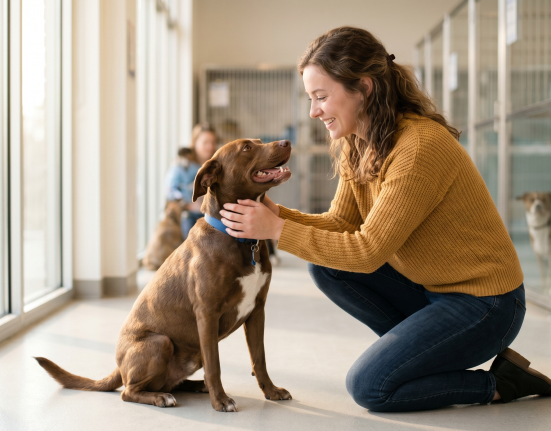
Barnaby’s life began on the unforgiving streets. Animal control officers spotted him darting through a busy intersection, terrified by the roar of traffic and the shouts of pedestrians. When he finally arrived at the local county shelter, he huddled in the back of his concrete run. The loud barking of anxious dogs and the sharp scent of disinfectant overwhelmed him, leaving him paralyzed with fear.
Shelters can be chaotic, overwhelming places for a timid dog. Staff quickly realized Barnaby was shutting down—he refused to eat his kibble and would tightly tuck his tail between his legs whenever anyone approached his kennel. Recognizing that he needed a calm environment to decompress, the shelter reached out to a dedicated local rescue organization that specialized in foster care placements.
A foster volunteer named Sarah stepped in to help. When Barnaby first arrived at her home, he spent three days hiding beneath the guest room bed. Sarah showed remarkable patience—she sat quietly on the floor nearby, reading books aloud in a gentle, soothing voice. She tossed high-value treats like bits of unseasoned boiled chicken close to his paws, always careful to avoid direct eye contact. Gradually, Barnaby began to feel safe in her presence.
Key Milestones in Barnaby’s Rehabilitation:
- Day 4: Barnaby emerged from under the bed to eat a meal while Sarah was in the room.
- Week 2: He allowed Sarah to gently pet his chest and shoulders.
- Week 4: He initiated play by bringing Sarah a squeaky plush toy.
- Month 2: Barnaby happily greeted a new visitor at the front door, revealing his natural affinity for people.
It soon became evident that beneath his initial fear, Barnaby was an exceptionally gentle and empathetic soul. Whenever Sarah felt stressed from work, Barnaby instinctively leaned his head against her knee, offering quiet comfort. This innate sensitivity to human emotions is exactly what experts value in potential therapy animals.
- Day 4: Barnaby emerged from under the bed to eat a meal while Sarah was in the room.
- Week 2: He allowed Sarah to gently pet his chest and shoulders.
- Week 4: He initiated play by bringing Sarah a squeaky plush toy.
- Month 2: Barnaby happily greeted a new visitor at the front door, showing his natural affinity for people.
As Barnaby’s trust grew, his true nature began to shine through—a remarkably gentle and empathetic soul. Whenever Sarah felt stressed from work, Barnaby would instinctively lean his head against her knee, offering silent comfort. This intuitive ability to sense and respond to human emotions is exactly what experts look for in potential therapy animals.
The Journey to Becoming a Therapy Dog
Transforming a rescue dog into a certified therapy dog requires true dedication, patience, and consistency. While a calm, gentle temperament is essential, it’s the ongoing, intensive training that prepares a dog for the unpredictable situations they’ll encounter as a therapy animal. Barnaby and Sarah took on this journey together, each step deepening their bond and getting Barnaby ready to become a source of comfort and support for others.
The first phase centered on mastering basic obedience. As a future therapy dog, Barnaby needed to respond promptly to commands like sit, stay, down, and leave it. He also had to walk calmly on a loose leash, even amid distractions. Sarah used positive reinforcement, rewarding Barnaby with treats and praise whenever he made the right choice.
Once Barnaby mastered the fundamentals, he and Sarah moved on to specialized therapy dog training. According to organizations like Pet Partners, therapy animals must pass comprehensive evaluations to ensure they are safe, dependable, and well-suited for public environments.
Essential Skills Barnaby Had to Learn:
- Accepting Clumsy Petting: Therapy dogs often work with children or individuals with motor control issues. Barnaby had to learn to remain calm when someone pulled his ears slightly or hugged him too tightly.
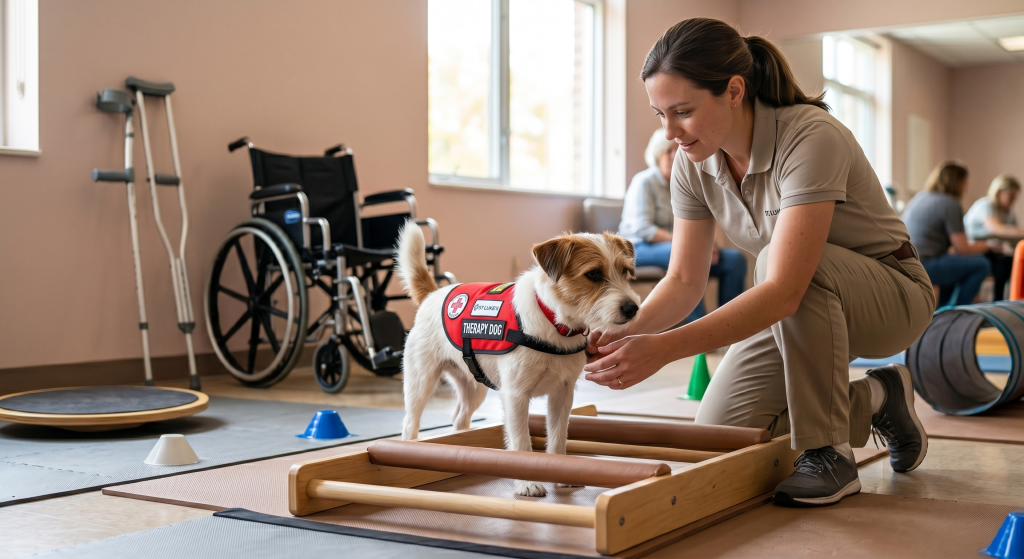
- Ignoring Medical Equipment: Hospitals are filled with wheelchairs, loud alarms, and rolling IV carts. Sarah exposed Barnaby to these sights and sounds gradually, pairing them with treats so he formed positive associations.
- Neutrality to Other Animals: Therapy dogs often cross paths with other working dogs. Barnaby had to demonstrate that he could walk past another dog without barking, lunging, or pulling on his leash.
- Leaving Dropped Items: A dropped pill in a nursing home can be fatal to a dog. Barnaby mastered the “leave it” command to ensure he would never eat something off the hospital floor.
After months of dedication and hard work, Barnaby was finally ready for his official evaluation. He calmly accepted petting, ignored the sudden crash of a metal pan dropped behind him, and navigated a crowded room with poise and confidence. When the evaluator handed Sarah his certification, she was overwhelmed with tears of joy. The same dog who once hid in fear under a bed was now a certified therapy professional, ready to share his kindness and warmth with the world.
How Therapy Dogs Change Lives
The benefits of therapy animals are supported by compelling scientific research. When a person interacts with a friendly dog, both human and animal experience a surge of oxytocin—often called the “love hormone.” At the same time, this interaction reduces levels of cortisol, the stress hormone, helping to ease anxiety. These simple moments together can result in lower heart rates and blood pressure, leaving both parties feeling calmer and more connected.
Barnaby’s weekly visits bring the benefits of therapy dogs to life. Each Tuesday morning, he stops by a local senior living facility, where many residents face persistent feelings of isolation and loneliness. As soon as Barnaby trots into the recreation room, the atmosphere brightens—smiles appear, and conversations start flowing.
Consider the story of Mr. Henderson, an eighty-year-old resident who rarely spoke after losing his wife. During Barnaby’s first visit, Mr. Henderson simply observed from a distance. By the third visit, he asked if he could hold Barnaby’s leash. Now, every week, Mr. Henderson spends thirty minutes gently brushing Barnaby’s fur and sharing memories about the dogs he loved in his younger years. Barnaby listens patiently, soaking up the attention and offering comfort simply by being present—a quiet friend who asks nothing in return.
On Thursday afternoons, Barnaby makes special visits to a nearby university during final exam week. College students gather in the student union just to sit on the floor and pet him. The simple act of stroking his soft fur serves as a grounding technique, calming frazzled nerves and helping students step away from academic stress, if only for a few moments.
Perhaps Barnaby’s greatest impact shines in the pediatric hospital, where children facing intimidating medical procedures often feel powerless. Barnaby brings a sense of normalcy during these difficult moments. One young girl, Emily, was terrified of physical therapy after major surgery. Sarah patiently taught her how to give Barnaby simple commands. Witnessing Barnaby enthusiastically perform a “high five” inspired Emily to stand up and walk across the room to reward him with a treat. In doing so, Barnaby didn’t just lift her spirits—he played an active role in her recovery.
Challenges and Triumphs Along the Way
The journey from stray to star was far from easy. Rescue dogs often bear invisible scars from their past, and Barnaby was no exception. It’s important to share these challenges to provide a true picture of what rescuing and training a therapy dog entails.
Early in his training, Barnaby developed a deep fear of automatic sliding doors. The sudden whoosh and swift movement would trigger his street-survival instincts, making him freeze in place. On his first exposure training session at a grocery store, Barnaby immediately flattened himself onto the concrete and refused to move.
Rather than forcing him, Sarah took a step back. For two weeks, they simply sat in the parking lot, watching the doors open and close from a safe distance. Each time the doors moved, Sarah rewarded Barnaby with pieces of hot dog, gradually helping him associate the sound with something positive. Slowly, they inched closer. It took patience, but today, Barnaby walks through automatic hospital doors without hesitation, confidently continuing his therapy work.
Health issues also threatened to derail Barnaby’s journey. Six months after his adoption, Barnaby tested positive for heartworm disease—a common and potentially fatal condition for dogs that have lived outdoors without protection. The treatment process was long and demanding; according to the American Heartworm Society, dogs undergoing treatment must remain under strict rest to prevent serious complications.
For an energetic dog eager to explore the world, crate confinement was a tough setback. During this challenging period, Sarah focused on keeping Barnaby mentally stimulated with gentle, low-energy activities such as touch-pad targeting and simple nose-work games. These quiet bonding moments not only kept Barnaby engaged, but also deepened the trust between them. By the time he received a clean bill of health, Barnaby was more attuned to Sarah than ever—ready to tackle whatever new challenges lay ahead together.
Societal misconceptions presented yet another challenge. Because Barnaby was a mixed breed with a scruffy coat, some facilities hesitated, expecting a purebred Golden Retriever or Labrador in the role of therapy dog. But Barnaby quickly shattered those stereotypes—within just five minutes of his evaluations, his impeccable manners and deep empathy spoke volumes. He proved that a dog’s breed or background does not determine their ability to comfort and heal others.

Inspiring Lessons from This Heroic Dog
Barnaby’s journey as a therapy dog offers invaluable lessons for us all. Above all, it demonstrates the remarkable power of forgiveness. Despite the neglect and fear he suffered early in life, Barnaby chose to trust again. He overcame humanity’s initial shortcomings, and now dedicates his days to providing comfort and hope to others.
Second, this story underscores the importance of patience in animal rescue. When you welcome a shelter dog into your home, you are caring for a being who has lost everything familiar. These dogs need both time and compassion to decompress and adjust to their new surroundings. Had Sarah rushed Barnaby’s training or pushed him to confront his fears too quickly, he might have regressed. By respecting his pace and allowing trust to build gradually, she helped Barnaby unlock his full potential.
Finally, Barnaby teaches us that every dog has a unique purpose. Not every rescue dog is destined to become a therapy animal—and that’s perfectly fine. Some dogs are happiest as loyal couch companions, while others excel at agility sports or enjoy joining their owners on long hiking adventures. The goal of rescuing a dog isn’t to fit them into a predetermined mold, but rather to discover their individual nature and help them thrive in an environment that best suits their personality.
Barnaby found his calling in the gentle, quiet moments of connection. Each week, he bridges the gap between fear and comfort for countless people, offering solace and hope exactly when it’s needed most. He stands as a living testament to the transformative power of second chances.
Support the Next Generation of Heroes
Every day, countless dogs like Barnaby wait in local shelters, longing for their own second chance. Beneath their fear and uncertainty lies immense potential, just waiting to shine through. All it takes is someone willing to look past their matted fur and offer them the safety, patience, and love they need to heal.
You can play an essential role in this journey of transformation. Consider visiting your local animal shelter and adopting a dog in need. If adoption isn’t an option for you right now, you can still make a difference—fostering, volunteering your time, or donating supplies are all wonderful ways to support rescue organizations and help give dogs like Barnaby a second chance.
If you already have a gentle, affectionate dog at home, consider enrolling them in a therapy animal training program in your area. Together, you and your pet could form a team that brings hope and comfort to those experiencing their most challenging moments.
We invite you to explore more heartwarming stories, expert training guides, and adoption resources by visiting PetStory.org. Share Barnaby’s inspiring journey with your friends and family to spread hope and encourage others to give rescue dogs a second chance. Together, we can help ensure that every stray dog has the opportunity to become a beloved star.