

Table of Contents
Bringing a pet hedgehog into your home means preparing for some delightful quirks. From their nighttime wheel-running marathons to the adorable way their noses twitch, these prickly companions quickly steal our hearts. But keeping that tiny nose twitching happily requires more than a warm enclosure and a running wheel—it requires a deep understanding of their unique nutritional needs.
A proper diet is the foundation of your hedgehog’s health, happiness, and longevity. Because hedgehogs have fast metabolisms and specific digestive systems, feeding them the wrong things can quickly lead to obesity, dental issues, or severe stomach upsets.
If you want to master hedgehog nutrition, you’ve come to the right place. We’ll explore exactly what your spiky friend needs to thrive, the best food for hedgehogs, what to keep out of their bowl, and how to whip up some delicious homemade snacks.
What Do Hedgehogs Eat in the Wild?
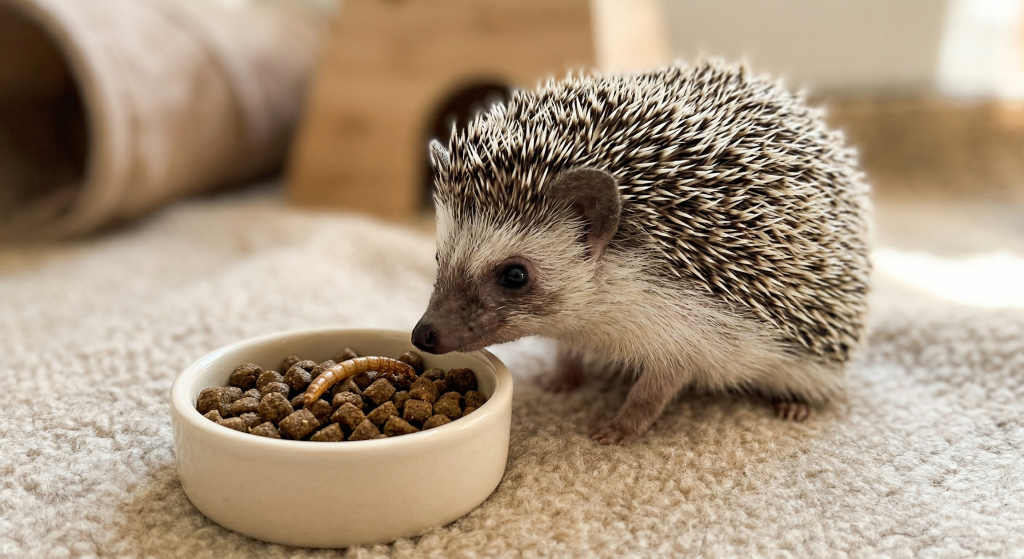
To understand how to feed your pet, it helps to look at their wild cousins. African Pygmy hedgehogs—the most common domesticated breed—are classified as insectivores, though they often act like scavengers and omnivores.
In the wild, a hedgehog spends its night foraging through underbrush. Its natural menu relies heavily on insects, including beetles, caterpillars, earthworms, and millipedes. These bugs provide a crucial mix of high protein and chitin (the hard exoskeleton of insects), which supplies necessary dietary fiber.
When bugs are scarce, wild hedgehogs will snack on small amounts of fallen fruit, roots, and occasionally small frogs or eggs. This natural behavior tells us what our pets need in captivity: a diet high in protein, moderate in fat, and rich in specific types of fiber, with a small amount of produce for variety.
The Ideal Hedgehog Diet
Replicating a wild diet at home might sound complicated, but it’s manageable with the right staples. The best food for hedgehogs consists of a balanced mix of dry kibble, gut-loaded insects, and fresh extras.
High-Quality Commercial Food
The bulk of your hedgehog’s daily calories should come from a high-quality dry kibble. Many owners and breeders use premium indoor cat food, as it often closely matches a hedgehog’s nutritional requirements. Look for a kibble that offers:
- Protein: 30% to 35%
- Fat: Less than 15% (hedgehogs are prone to obesity)
- First Ingredient: Real meat (like chicken or turkey), not meat by-products or corn fillers.
Commercial hedgehog diets are also available. If you choose this route, read the label carefully to ensure it meets the same protein and fat ratios.
Insects (The Fun Part!)
Insects are vital for proper hedgehog nutrition. They provide mental stimulation, essential fats, and chitin. Offer live or freeze-dried insects a few times a week. Great options include:
- Mealworms: Excellent treats, but feed them in moderation as they are high in fat.
- Crickets: Great for encouraging your hedgehog’s natural hunting instincts.
- Black Soldier Fly Larvae: Packed with calcium, making them fantastic for bone health.
Pro tip: If you feed live insects, “gut-load” them first. This means feeding the insects a nutritious slice of apple or carrot 24 hours before giving them to your hedgehog. Your pet then gets those extra vitamins.
Occasional Fruits and Vegetables
Fresh produce should make up a very small part of their diet. Think of these as tiny garnishes, not main courses. Safe options include small, unseasoned pieces of cooked squash, green beans, apples (no seeds), and berries.
Foods to Avoid
Hedgehogs have incredibly sensitive digestive tracts. Some foods that are fine for humans and other pets are highly toxic to your spiky companion.
Keep these items away from your hedgehog:
- Dairy Products: Hedgehogs are lactose intolerant. Milk, cheese, and yogurt will cause severe diarrhea and stomach cramps.
- Chocolate and Caffeine: These contain compounds that are highly toxic and potentially fatal to small animals.
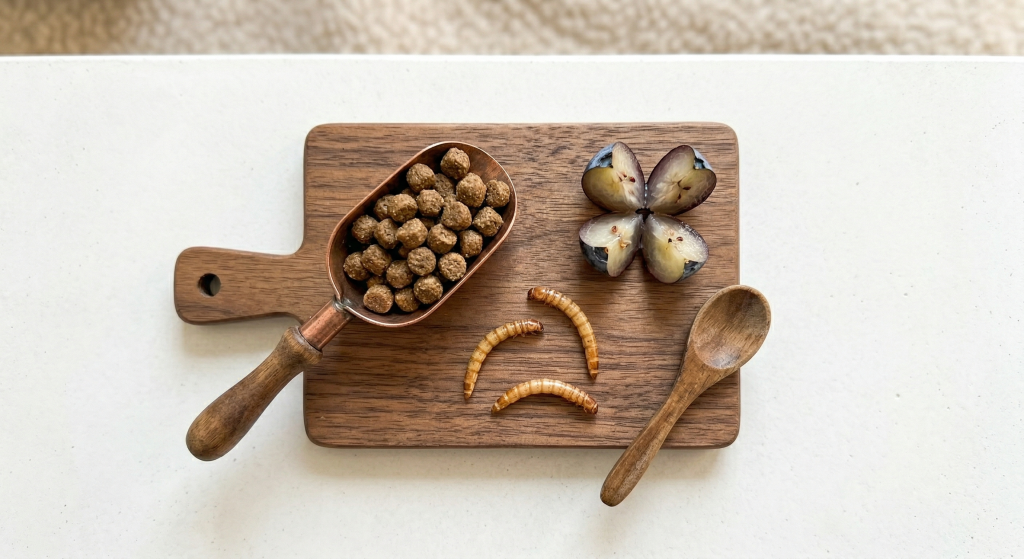
- Grapes and Raisins: Like dogs, hedgehogs can suffer sudden kidney failure from grapes and raisins.
- Citrus Fruits: Lemons, oranges, and grapefruits are too acidic for their delicate stomachs and can cause mouth sores.
- Nuts and Seeds: These pose a choking hazard and can get stuck in the roof of their mouth. They are also too high in fat.
- Avocado: The skin and pit contain persin, which is toxic, and the flesh is dangerously high in fat.
If you suspect your hedgehog has ingested something toxic, treat it as an emergency. Resources like the ASPCA Animal Poison Control Center provide excellent guidance, but an immediate trip to an exotic veterinarian is always the safest bet.
How to Feed Your Hedgehog
Establishing a solid feeding routine helps keep your hedgehog’s weight stable and their digestion regular.
Portion Sizes
Because hedgehogs are prone to gaining weight, portion control is critical. A standard adult hedgehog generally needs 1 to 2 tablespoons of dry kibble per day. If you notice your hedgehog looking a bit round—especially if they struggle to roll into a tight ball—you may need to cut back slightly and encourage more wheel time.
Feeding Schedules
Hedgehogs are nocturnal. They sleep all day and wake up when the sun goes down, ready to run, play, and eat. The best time to feed your hedgehog is in the early evening, right around when they naturally wake up. Leaving food out all day can lead to stale kibble and overeating.
Hydration
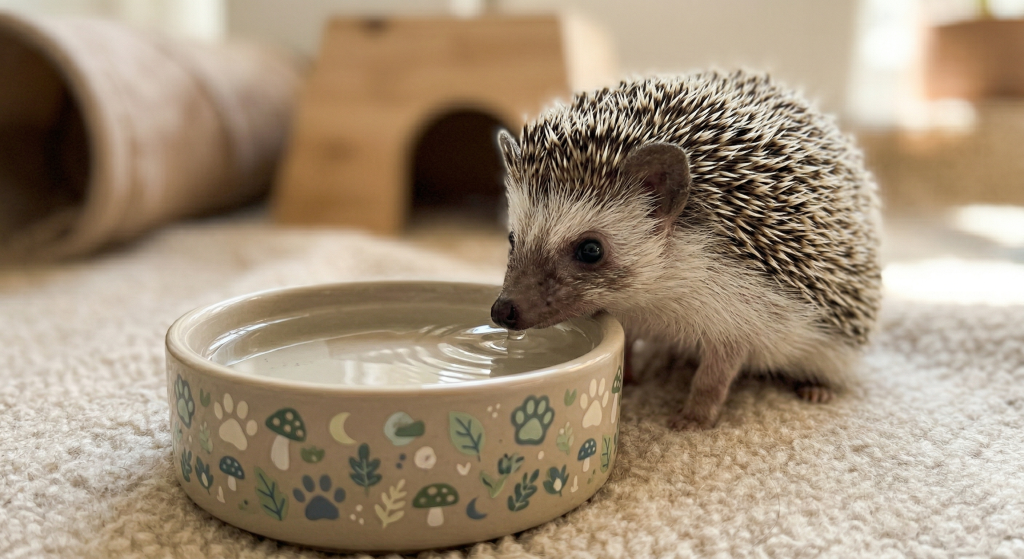
Fresh water is non-negotiable. Provide clean water every day. Most owners prefer a heavy ceramic bowl over a drip bottle. Drip bottles can sometimes chip a hedgehog’s teeth or fail to dispense water properly. A heavy bowl prevents them from tipping it over during their nightly zoomies.
DIY Hedgehog Treat Ideas
Making healthy hedgehog treats at home guarantees you know exactly what is going into your pet’s body and provides a wonderful bonding opportunity. Hand-feeding teaches your hedgehog that your scent means good things are happening.
Recipe: The “Bug & Berry” Mash
This simple, soft treat is perfect for an occasional reward. It’s easy to digest and packed with flavor.
Ingredients:
- 1 plain, unseasoned scrambled egg (cooked without oil, butter, or salt)
- 3 dried mealworms
- 1 raspberry or blackberry
Instructions:
- Scramble the egg in a small non-stick pan until fully cooked. Let it cool completely.
- Place a small pinch (about a teaspoon) of the cooled scrambled egg in your hedgehog’s treat bowl.
- Crush the dried mealworms slightly with your fingers to release their scent and sprinkle them over the egg.
- Tear the berry into tiny, bite-sized pieces and mix it into the egg and worm scramble.
- Serve immediately and remove any leftovers after a few hours to prevent spoilage.
Keeping Your Hedgehog on the Right Track
Nailing your hedgehog’s diet takes a little practice, but watching your pet eagerly crunch on their favorite mealworm makes it all worthwhile. By sticking to high-quality protein, offering safe insects, and avoiding dangerous human foods, you set your spiky friend up for a long, vibrant life.
Every hedgehog is an individual with distinct tastes and metabolic needs. Always monitor your pet’s weight and bathroom habits when introducing new foods. If you’re ever unsure about a specific snack or notice a sudden change in their appetite, consult a qualified exotic animal veterinarian. For more veterinary-reviewed advice on small pets, PetMD is a fantastic resource to keep bookmarked.
A great diet is just one piece of the puzzle. Does your hedgehog have the ultimate environment to burn off all that healthy energy? Check out our complete guide on How to Set Up the Perfect Hedgehog Habitat to optimize their living space for fun ways to keep their minds sharp.