Table of Contents
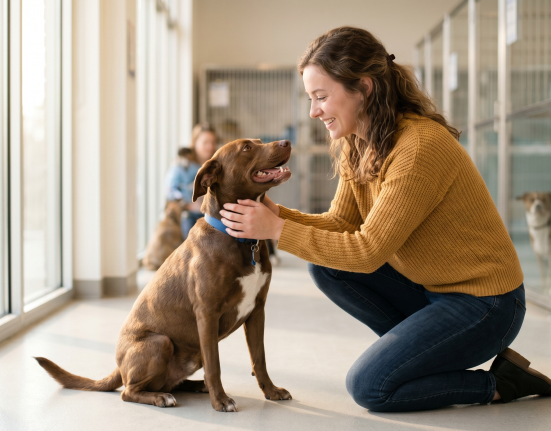
Adopting a rescue dog is an incredibly rewarding experience. It’s the start of a new journey for both you and your new companion. But for your dog, transitioning from a shelter or foster home to a permanent home can be overwhelming. They’re leaving behind everything they’ve known and entering a completely unfamiliar environment. To make this adjustment easier, many experts recommend following the 3-3-3 Rule.
This guideline breaks down the first three months in a new home into three phases: the first 3 days, 3 weeks, and 3 months. By understanding what to expect during these stages, you can set realistic goals, provide the right care, and build trust with your dog over time.
The First 3 Days: Decompression and Stress
The first three days are usually the most stressful for a newly adopted dog. It is completely normal for them to feel anxious or overwhelmed by such a major life change. Even in the most loving home, your dog needs time to process many new sights and smells. During this initial stage, they might not show their true personality while they work through the stress of their new surroundings. Patience is key as they start to decompress and realize they are finally safe in your care.
What to Expect
Your dog might seem shy, withdrawn, or scared. Some dogs may refuse to eat, drink, or engage, while others might sleep more than usual to recover from the stress of their previous environment. On the flip side, some dogs may display anxious behaviors like barking, pacing, or testing boundaries. Even a house-trained dog might have accidents as they adjust to the new routine.
How to Help Your Dog
Focus on creating a calm and safe environment during these first few days. Here’s how you can help:
- Keep it quiet: Minimize visitors and loud activity to help your dog feel secure.
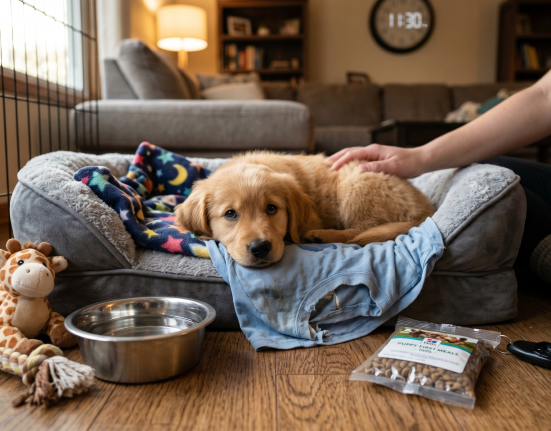
- Give them a retreat: Provide a quiet spot, like a crate or cozy corner, where they can relax if they feel overwhelmed.
- Be patient: Let your dog approach you on their own terms. Use a calm voice and avoid sudden movements.
- Show them the basics: Introduce them to their food, water, and designated potty area, and take them out frequently.
The First 3 Weeks: Settling Into Routine
Once the initial adjustment period passes, your dog will naturally start to settle into their new environment. Around the three-week mark, they usually begin to realize that this is their permanent home. You will likely notice their true personality starting to emerge, which often brings a mix of playful moments and unique behavioral challenges as they grow more confident in their space. This is an exciting phase where you really get to know your new companion.
What to Expect
As your dog becomes more comfortable, they might start testing boundaries or showing behaviors like chewing, barking, or digging. They are figuring out their place in your home and learning what to expect from their environment. You’ll also see more of their personality shine through, whether that’s silly, affectionate, energetic, or a mix of all three.
How to Help Your Dog
Consistency and structure are key at this stage. Here’s how to support them:
- Stick to a routine: Feed, walk, and rest at the same times every day. A predictable schedule helps your dog feel secure.
- Start training: Use positive reinforcement to teach basic commands and leash manners. This strengthens your bond and helps set expectations.
- Set clear boundaries: Be consistent with house rules. For example, if your dog isn’t allowed on the couch, make sure everyone in your household enforces that rule.
- Socialize gradually: Slowly introduce your dog to new people, animals, and environments. Watch for signs of stress and adjust as needed.
The First 3 Months: Building Trust and Belonging
By the three-month mark, most dogs have settled into a comfortable groove. They will start to trust you more deeply, understand their place in the family dynamic, and fully embrace their daily routine. This period is a major milestone because it marks the point where your bond truly begins to solidify into a lifelong friendship. You will notice that their unique personality starts to shine as they feel more secure in their new environment.
What to Expect
At this point, you’ll see your dog’s full personality, quirks and all. They’ll likely feel safe enough to relax completely, which means their behavior will be more consistent. However, some dogs may continue to work through certain challenges, especially if they’ve had a difficult past.
How to Help Your Dog
Even after three months, your dog still benefits from structure and support. Here’s how you can nurture their progress:
- Keep training: Build on the basics with more advanced commands or fun activities like agility or scent work.
- Maintain a routine: While you can be more flexible now, sticking to a general routine provides comfort.
- Be patient: Every dog adjusts at their own pace. Some may take longer than three months to fully settle, especially if they’ve experienced trauma.
Patience and Understanding Go a Long Way
The 3-3-3 Rule is a helpful guide, but every dog is different. Confident dogs may take less time to adjust, while shy or traumatized dogs may need extra patience and care. The behaviors you see early on are not permanent—they are simply your dog’s response to a major life change.
By offering stability, kindness, and understanding, you can help your rescue dog transition from a nervous newcomer to a happy, loving member of your family. Adoption is a journey, but the unconditional love and companionship you gain make it all worthwhile.