
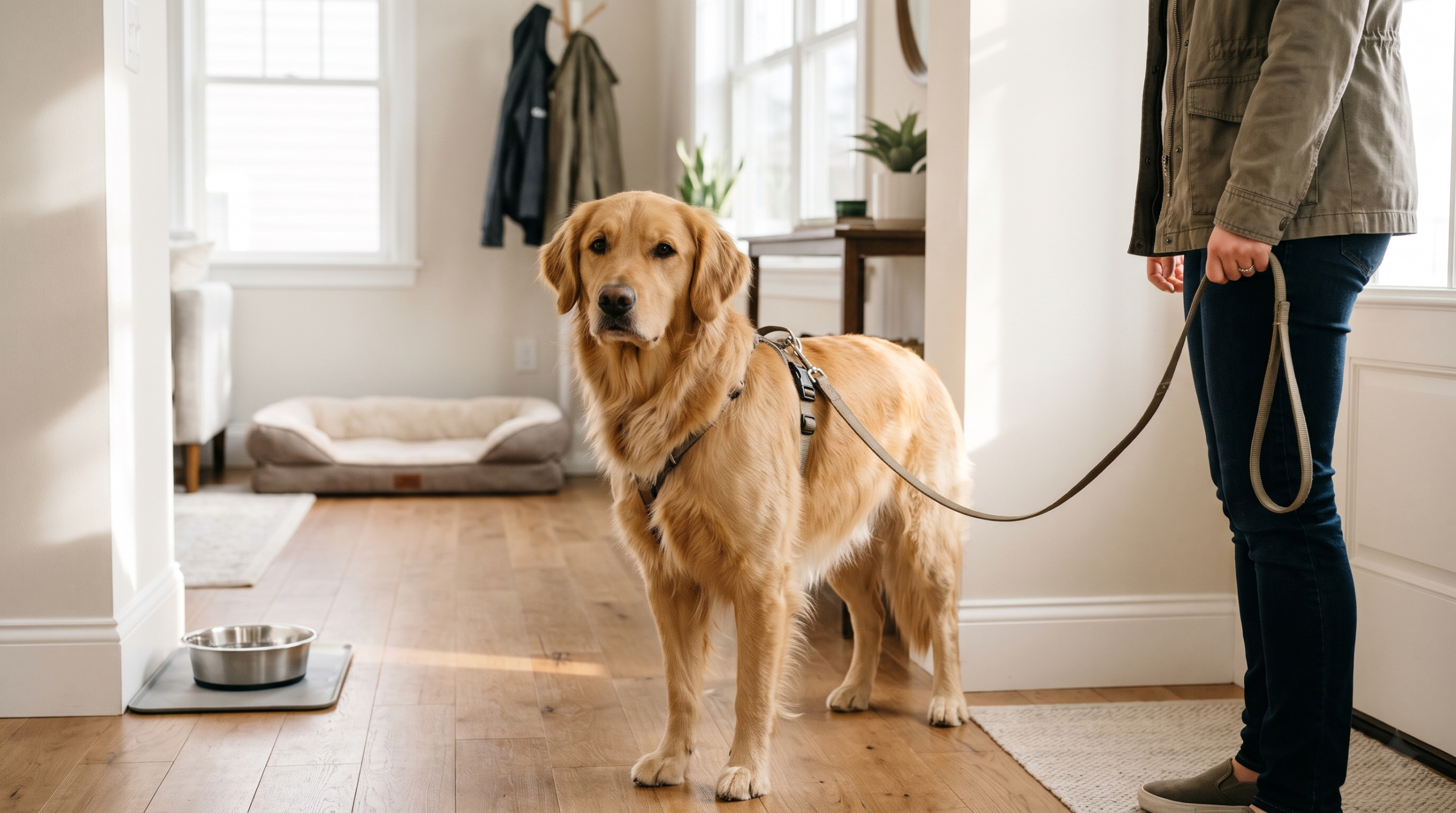
Looking after a dog involves much more than providing meals and taking an occasional walk. Dogs depend on their owners for a reliable pattern of activity, rest, companionship, hygiene and preventive care. When these everyday needs are handled consistently, dogs have more opportunities to stay comfortable, active and settled at home.
For first-time owners, deciding what belongs in a normal day can feel like a long list of responsibilities. Feeding times, bathroom breaks, walks, play, brushing and health checks all need attention. The process becomes easier when these activities are organised into a routine that suits both the dog and the household.
A useful schedule does not need to follow an exact clock. What matters most is providing regular opportunities for essential activities and adjusting them as the dog's needs change. A young puppy, an energetic adult and an older dog will not necessarily benefit from the same timetable.
Table of Contents
- What Does a Dog Need Every Day?
- An Example of a Daily Dog Care Schedule
- How Should Daily Feeding Be Organised?
- How Much Exercise and Activity Does a Dog Need?
- Why Play, Training and Mental Enrichment Matter
- Why Hydration and Rest Belong in the Routine
- How Should a Routine Change for Puppies, Adult Dogs and Senior Dogs?
- How Do Grooming and Basic Health Checks Fit Into Daily Care?
- How Should Routine Care and Veterinary Visits Work Together?
- How to Make a Dog Care Routine Easy to Maintain
- Frequently Asked Questions
What Does a Dog Need Every Day?
Every dog needs a dependable combination of physical care, mental activity and social interaction. The details vary, but most everyday routines include a few core responsibilities:
- Balanced meals: Food that is appropriate for the dog's life stage, health and nutritional requirements.
- Fresh drinking water: Clean water that remains accessible throughout the day.
- Bathroom opportunities: Regular chances to relieve themselves, including after waking, meals and activity.
- Suitable exercise: Walks, movement and play that reflect the dog's individual fitness and needs.
- Mental stimulation: Sniffing, training, interactive toys and opportunities to explore.
- Rest and companionship: A comfortable place to sleep, quiet periods and positive interaction with household members.
- Basic grooming and observation: Attention to the coat, skin, paws, nails, ears, teeth and general behaviour.
These responsibilities work together. For example, a walk offers physical activity, but it can also provide new smells and environmental experiences. A short training session offers mental engagement while strengthening communication between a dog and its owner.
An Example of a Daily Dog Care Schedule
A flexible schedule helps owners remember the main parts of everyday care. The following example can be adjusted around work, school, household commitments and the dog's natural activity pattern.
| Part of the Day | Suggested Care Activities | Purpose |
|---|---|---|
| Morning | Bathroom break, fresh water, breakfast, a suitable walk and a quick coat or paw check. | Creates a calm start and provides an early opportunity for movement and exploration. |
| Midday | Bathroom break, water refresh, a short play or enrichment activity and rest. | Maintains comfort and provides interaction between longer activity periods. |
| Evening | Walk or suitable exercise, play, a training activity and the next scheduled meal. | Provides another opportunity for activity, companionship and routine. |
| Before Bed | Final bathroom break, a quick visual check, a clean sleeping area and quiet time. | Helps the dog settle comfortably for the night. |
This is an example rather than a fixed timetable. Some dogs need more frequent bathroom breaks, meals or shorter activity sessions. Puppies usually need a more frequent schedule, while older dogs may benefit from gentler movement and additional comfort breaks.
How Should Daily Feeding Be Organised?
Consistent feeding is one of the most useful parts of a daily dog care routine. Predictable meal times make it easier to monitor appetite, manage portions and recognise changes in normal eating habits.
Choose Food That Matches the Dog's Needs
A dog's food should provide complete and balanced nutrition appropriate for its life stage and individual requirements. Puppy food, adult maintenance food and diets designed for specific health needs are not interchangeable in every situation.
When comparing products, owners can look beyond front-of-package marketing and review the nutritional adequacy information, intended life stage and feeding guidance. The WSAVA Global Nutrition Guidelines provide resources that help veterinary teams assess a pet's nutritional needs and body condition.
PetStory's guides on reading dog food labels and choosing dog food offer additional information for owners comparing everyday food options.
Keep Meal Times and Portions Consistent
Many adult dogs are fed on a regular two-meal schedule, although the appropriate frequency can differ according to age, health and veterinary advice. Puppies generally need more frequent meals while they are growing. Owners should follow the feeding instructions for the selected food and adjust portions with professional guidance as the dog's weight and condition change.
Measuring meals is more reliable than estimating portions by eye. The amount printed on a food package can provide a starting point, but it may need adjustment based on activity, body condition, age and individual metabolism. Treats and table scraps should also be considered when managing the dog's overall food intake.
Notice Changes in Appetite
Pay attention to whether the dog approaches meals normally, eats comfortably and maintains a consistent appetite. A sudden or persistent change in eating habits deserves attention, especially when it occurs alongside changes in energy, digestion or behaviour. A veterinarian can help determine whether the feeding plan needs to be reviewed.
How Much Exercise and Activity Does a Dog Need?
Exercise supports physical fitness, mobility and general wellbeing. It also gives dogs opportunities to explore their surroundings and engage with the world beyond the home.
There is no single exercise duration that suits every dog. Needs can vary with age, breed, size, health, fitness, body condition and temperament. The RSPCA's dog care guidance explains that walking routines should be adapted to the individual dog rather than based on one universal target.
Combine Walks With Appropriate Activity
Walks can be a central part of the day, but the pace and distance should suit the dog. Some dogs enjoy longer outings and varied routes, while others are more comfortable with several shorter walks. A walk that allows time to sniff and explore can provide mental engagement as well as movement.
Other suitable activities may include gentle games, controlled fetch, interactive toys or supervised time in a safe outdoor space. Owners should consider the weather, surface conditions and the dog's physical condition, particularly during hot or humid periods.
Breed characteristics can offer useful background, but individual needs still matter. PetStory's guide to low-energy dog breeds for apartment living explores how activity levels can differ between dogs.
Watch How the Dog Responds
A suitable activity routine should leave the dog comfortable and able to recover. Reluctance to move, unusual tiredness, limping, heavy or prolonged panting, or a noticeable change in normal stamina are reasons to stop and reassess the activity. Dogs with existing health conditions or limited mobility may need a plan developed with their veterinarian.
Why Play, Training and Mental Enrichment Matter
Physical exercise is only one part of a dog's daily activity. Dogs also benefit from opportunities to think, investigate, learn and make choices in a safe environment.
Mental enrichment can be simple. A short scent game, a food puzzle, a few minutes of reward-based training or a new walking route can make an ordinary day more engaging. Rotating suitable toys also helps maintain interest without requiring a large collection.
Include Short, Positive Training Sessions
Brief sessions can reinforce useful everyday skills such as responding to a name, settling on a mat, walking comfortably on a lead and waiting calmly. Reward-based methods help dogs understand which behaviours are being encouraged. PetStory explains the approach in its guide to positive reinforcement and clicker training.
Provide Suitable Toys and Chewing Outlets
Safe, appropriately sized toys give dogs acceptable ways to play and explore. Food-dispensing toys and suitable chew items can add variety to periods when an owner is busy. Choose products that match the dog's size and chewing style, supervise new items and remove anything that becomes damaged or unsafe.
For more ideas about choosing appropriate chew outlets, see PetStory's guide to toys that help redirect furniture chewing.
Why Hydration and Rest Belong in the Routine
Fresh water should be available throughout the day. Use a clean bowl, refresh the water regularly and make sure the dog can reach it comfortably. Dogs may drink more during warm weather or after exercise, so owners should pay attention to changes in drinking habits.
Rest is equally important. Dogs need a comfortable place where they can sleep and relax without constant disturbance. The resting area should be suitable for the dog's size, easy to access and positioned away from household activity when the dog needs quiet time.
Activity and rest should be balanced. A schedule that is filled with walks, games and training but leaves little time to settle can be difficult for a dog to manage. Puppies and older dogs may need particularly frequent opportunities to rest between activities.
How Should a Routine Change for Puppies, Adult Dogs and Senior Dogs?
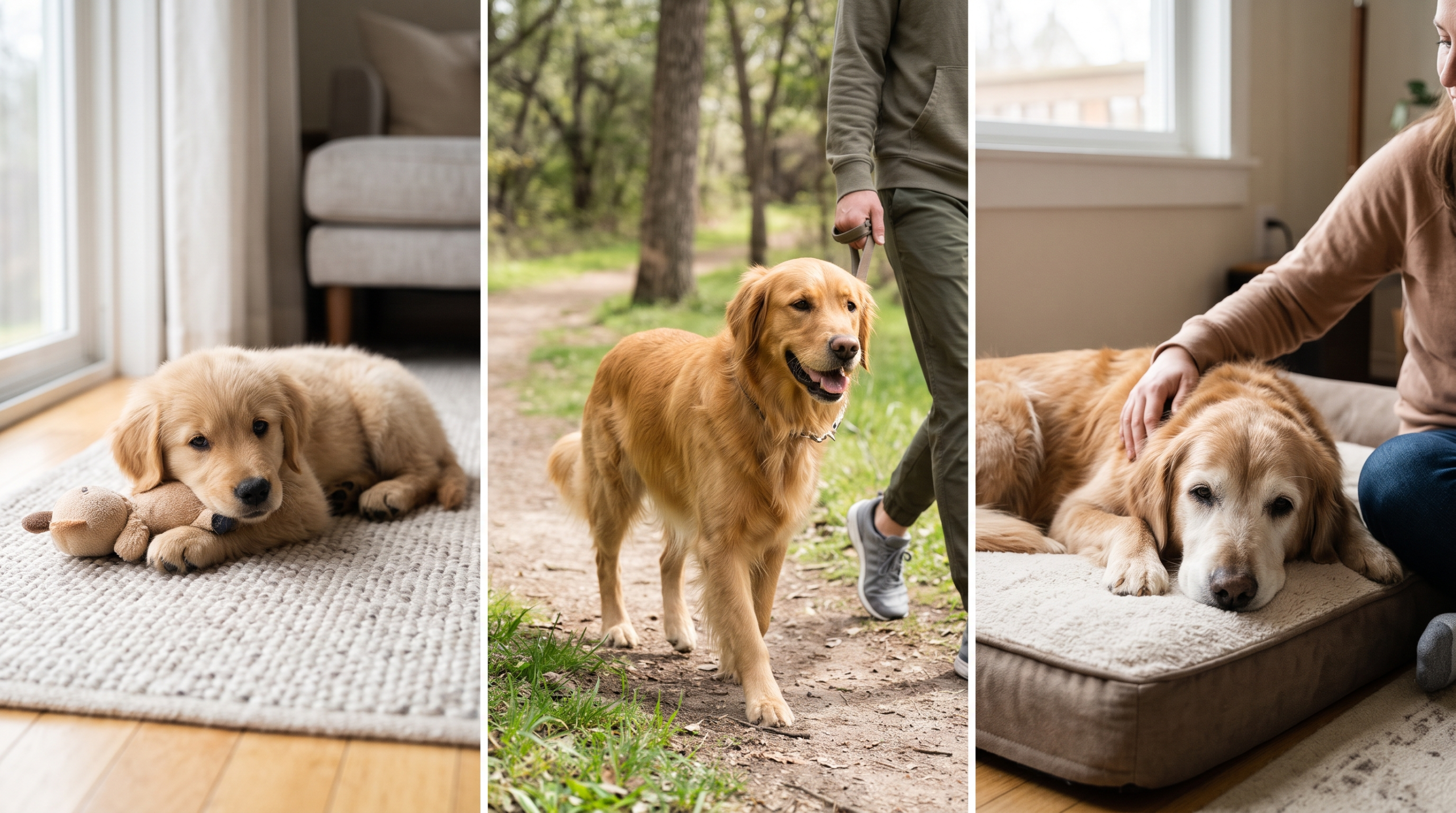
A dog's daily needs develop over time. Age influences feeding, activity, rest, training and preventive care, so a routine should be reviewed as the dog grows or changes.
Puppies: Frequent Breaks, Meals and Rest
Puppies are still developing physically and learning how to live within a household. Their day usually needs more frequent bathroom breaks, smaller and more frequent meals, short age-appropriate play sessions and plenty of sleep.
Training should be brief, positive and consistent. Gentle exposure to suitable everyday experiences can help puppies become familiar with household sounds, handling and their surroundings. The routine should also follow the puppy's vaccination, parasite-prevention and veterinary guidance. PetStory's guide to a puppy's first 24 hours covers the early transition into a new home.
Adult Dogs: Consistency and Individual Activity
Healthy adult dogs often settle into a more predictable pattern of meals, walks, play and rest. Their activity needs still depend on individual health, fitness and temperament. A routine that works for one adult dog may be too demanding or too limited for another.
Owners can maintain variety by combining familiar walks with occasional new routes, training practice and suitable enrichment. Regular meal times and a comfortable rest area help keep the day organised.
Senior Dogs: Comfort and Adaptation
Older dogs may experience changes in mobility, stamina, hearing, vision or body condition. Some remain active well into later life, while others prefer shorter walks and more frequent rest periods.
Small practical adjustments can make daily care more comfortable. Keep water and bedding easy to reach, provide stable surfaces where possible and avoid making the dog climb or jump unnecessarily. Changes in appetite, movement, sleep or behaviour should be discussed with a veterinarian rather than dismissed as a normal part of ageing.
The AAHA canine life-stage checklist outlines areas of care that veterinary teams consider across different stages of a dog's life.
How Do Grooming and Basic Health Checks Fit Into Daily Care?
Grooming helps keep a dog comfortable and gives owners an opportunity to become familiar with the condition of the coat, skin, paws and nails. Not every grooming activity needs to happen every day, but brief observations can be part of the normal routine.
Brush According to the Coat Type
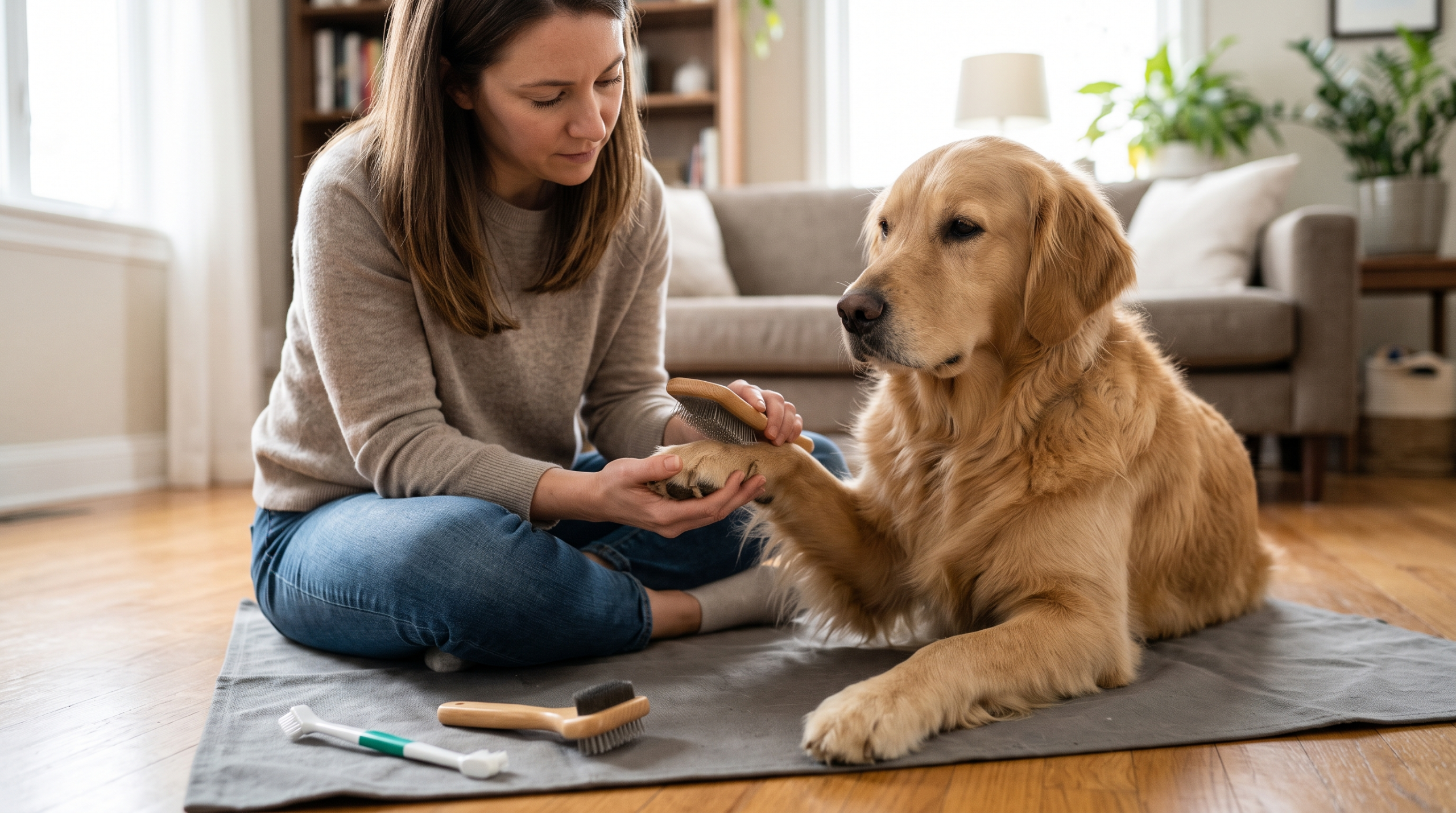
Brushing needs vary with coat length, texture and shedding pattern. Long or dense coats may need frequent brushing to prevent tangles, while short coats often need less attention. Choose a brush designed for the dog's coat and keep sessions comfortable.
Regular brushing can also help owners notice unusual changes such as irritated skin, mats, visible parasites or areas of sensitivity. For additional guidance on managing loose hair, see PetStory's shedding season care guide.
Check Paws, Nails and Ears
A quick visual check after walks can help identify dirt, small stones, irritation or damage around the paws. Nails should be monitored and trimmed when needed. The correct frequency depends on how quickly they grow and how naturally they wear down during everyday movement.
Look at the outer parts of the ears for visible dirt, redness or unusual discharge. Avoid inserting cotton swabs or other objects into the ear canal. Cleaning products and ear treatments should be used according to veterinary advice, especially when irritation or discomfort is present.
Make Dental Care Part of the Routine
Dental hygiene is an important part of ongoing dog care. Where the dog accepts it, regular toothbrushing with a toothbrush and toothpaste specifically designed for dogs can help maintain oral hygiene. Human toothpaste should not be used for dogs.
Owners should also pay attention to changes such as persistent bad breath, difficulty chewing, visible buildup or sensitivity around the mouth. A veterinarian can assess oral health and recommend suitable dental care. PetStory's guide to dog dental care at home explains the basics of brushing and maintaining healthy teeth.
Notice Changes in Everyday Behaviour
Daily contact makes it easier to recognise what is normal for an individual dog. Pay attention to changes in movement, appetite, drinking, energy, breathing, sleep, bathroom habits and social behaviour. A new or persistent change may need veterinary attention, particularly when several changes appear together.
How Should Routine Care and Veterinary Visits Work Together?
Everyday care supports a dog's comfort, but it does not replace preventive veterinary care. Routine appointments give a veterinary team an opportunity to assess weight, body condition, dental health, mobility, nutrition, vaccinations and parasite-prevention needs.
The appropriate appointment frequency depends on age, medical history, lifestyle and individual risk. Puppies generally need more frequent visits as they grow and complete their early preventive-care programme. Adult dogs need ongoing wellness assessments, while senior dogs may benefit from closer monitoring as their needs change.
Owners can make these appointments more useful by keeping a simple record of changes they notice at home. Notes about appetite, drinking, activity, bowel movements, skin, coat and behaviour can help the veterinary team understand patterns that may not be visible during a short appointment.
The AAHA life-stage checklist is a useful reference for understanding why preventive care should be adjusted throughout a dog's life.
How to Make a Dog Care Routine Easy to Maintain
The best schedule is one that can be followed consistently. A complicated plan may look organised on paper but become difficult to maintain when household commitments change. Start with the essential activities and build a pattern around the dog's natural needs.
- Set regular meal times: Choose feeding times that fit the household and follow the dog's nutritional plan.
- Plan walks and bathroom breaks: Make sure the dog has suitable opportunities throughout the day.
- Keep enrichment simple: Rotate suitable toys, use short training sessions and include time for sniffing and exploration.
- Make grooming manageable: Use short, calm sessions and follow a schedule that fits the dog's coat.
- Protect rest periods: Give the dog a comfortable space where it can settle without interruption.
- Keep track of changes: Note anything unusual about appetite, activity, weight, behaviour or general comfort.
In caring for Max, my Golden Retriever, one practical lesson has been the value of consistency. Making time for daily walks, play and rest gives the day a dependable structure. The exact activity can change depending on the day, but keeping those basic opportunities in the routine makes everyday care easier to organise.
It is also helpful to involve everyone in the household. When family members follow the same feeding plan, walking arrangements and basic handling habits, the dog receives clearer and more predictable care.
A daily routine should remain flexible enough to accommodate weather, travel, health changes and different stages of life. The aim is not to make every day identical, but to ensure that the dog's essential needs are met reliably.
Frequently Asked Questions
1. What should be included in a daily dog care routine?
A daily dog care routine should include suitable meals, fresh drinking water, bathroom breaks, exercise, mental stimulation, rest, companionship and basic grooming observations. The exact schedule depends on the dog's age, health and individual needs.
2. How many times a day should a dog be fed?
Many adult dogs are fed two meals a day, while puppies usually need more frequent meals during growth. Feeding frequency and portion sizes should follow the dog's life stage, food instructions and veterinary guidance.
3. Do dogs need a walk every day?
Most dogs benefit from regular opportunities to walk and explore, but the right amount of activity varies. Age, breed, health, fitness, weather and temperament all influence how much walking is suitable for an individual dog.
4. How often should a dog be groomed?
Grooming frequency depends on coat type, length, shedding and lifestyle. Some dogs need frequent brushing, while others need less. Bathing, nail care and ear care should also be based on the dog's individual needs and appropriate grooming guidance.
5. How does a daily routine change as a dog gets older?
Puppies generally need more frequent meals, bathroom breaks and rest. Adult dogs often follow a steadier schedule, while senior dogs may need shorter walks, easier access to resting areas and closer monitoring of mobility, appetite and comfort.
6. Can a dog have the same routine on weekends?
Keeping meal times, bathroom opportunities and rest periods reasonably consistent can help dogs feel settled. Walks and activities can vary, provided the dog's essential needs continue to be met.
7. What are the signs that a dog's routine may need to change?
Changes in energy, appetite, drinking, mobility, sleep, bathroom habits or willingness to participate in normal activities may mean the routine needs review. Sudden or persistent changes should be discussed with a veterinarian.
Sources and Further Reading
The following veterinary and animal-welfare resources provide additional guidance on canine nutrition, life-stage care, exercise and grooming:
- World Small Animal Veterinary Association (WSAVA): Global Nutrition Guidelines - Nutritional assessment resources and guidance for individual dietary needs.
- American Animal Hospital Association (AAHA): Canine Life-Stage Checklist - Preventive care topics and considerations across different life stages.
- RSPCA: Dog Care Advice - General guidance on everyday dog ownership, exercise and enrichment.
- RSPCA Australia: Advice on Caring for a Dog - Practical information about grooming, bathing and everyday care.
About the Author
Irfan Hyder is the editor of PetStory.org, an independent publication covering pet care, adoption, nutrition and behaviour. He has spent around 8 years caring for pets at home, including his Golden Retriever, Max, his Persian cat, Luna, and pet birds, and writes alongside veterinary and reputable sources.
Explore More Dog Care Guides
Building a consistent routine is one part of responsible dog ownership. Continue exploring PetStory's dog care resources for practical information on nutrition, dental hygiene, puppy care, grooming and positive-reinforcement training.