
Getting a dog is a long-term commitment that involves much more than providing food and shelter. A dog care guide for first-time owners should explain how nutrition, exercise, grooming, healthcare, training and companionship fit together. Each dog also has individual needs shaped by age, health, temperament and lifestyle. Understanding these responsibilities before bringing a dog home makes it easier to prepare, choose suitable care arrangements and build healthy habits. This guide covers the essentials, from selecting a suitable companion to providing consistent care throughout a dog's life.
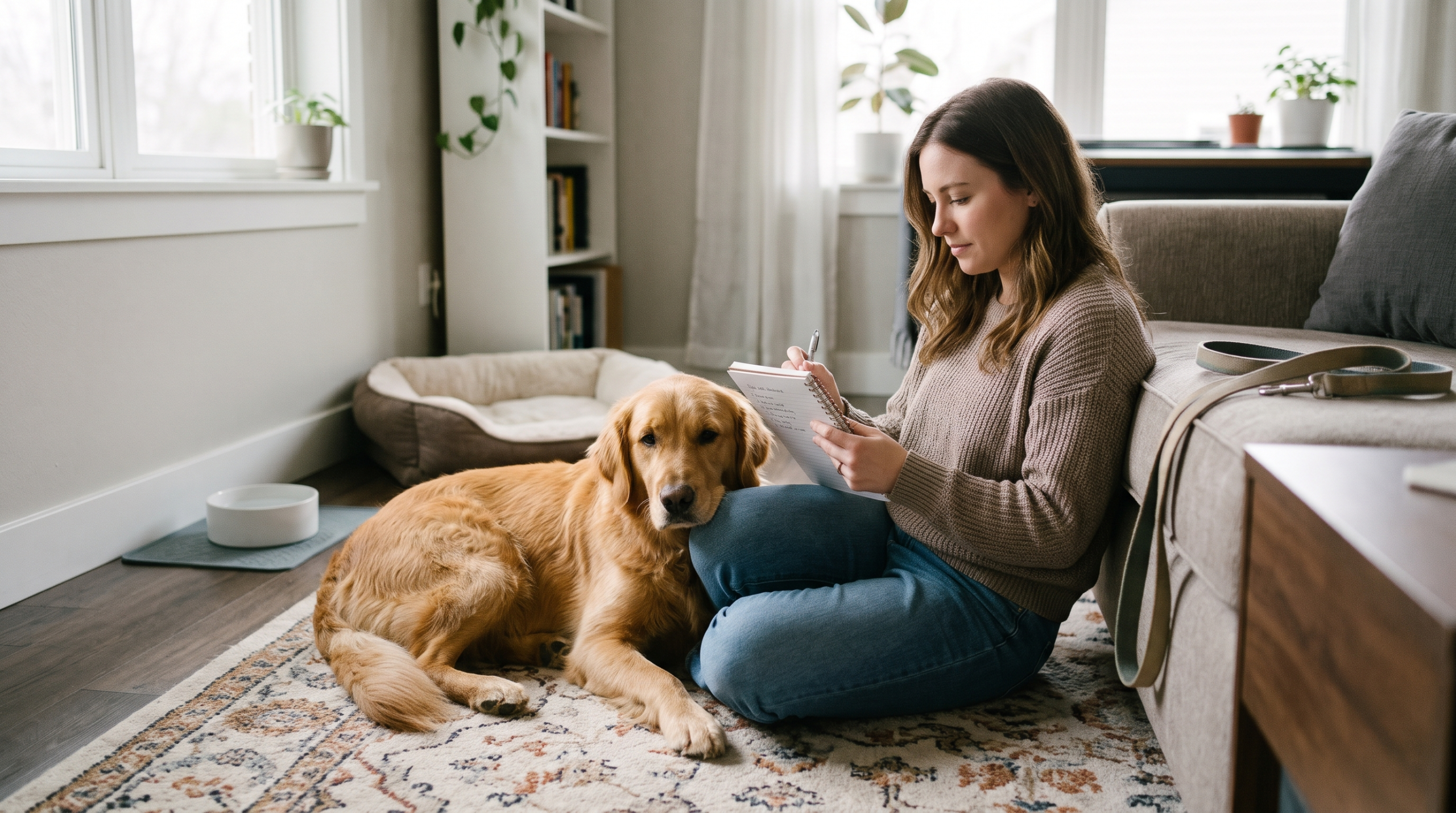
Table of Contents
- What Does Responsible Dog Ownership Involve?
- What Should You Consider Before Bringing a Dog Home?
- What Are the Basic Everyday Responsibilities of a Dog Owner?
- How Should First-Time Owners Choose Food and Manage Nutrition?
- How Much Exercise and Mental Stimulation Does a Dog Need?
- What Grooming and Hygiene Does a Dog Need?
- What Preventive Healthcare Should Every Dog Owner Understand?
- How Can First-Time Owners Build Good Training and Behaviour Habits?
- How Do Dog Care Needs Change at Different Life Stages?
- How Can You Choose Reputable Veterinary and Pet-Care Support?
- What Are Common First-Time Dog Owner Mistakes to Avoid?
- Frequently Asked Questions
- Conclusion: Building a Responsible Dog Care Plan
What Does Responsible Dog Ownership Involve?
Responsible dog ownership means meeting a dog's physical, nutritional, medical and emotional needs throughout its life. This includes providing suitable food, clean water, safe housing, regular exercise, grooming, preventive veterinary care, training and companionship.
These responsibilities are connected. A dog needs appropriate nutrition to support its health, but food alone cannot replace physical activity, mental stimulation or veterinary attention. Similarly, training helps dogs understand household expectations, while positive social experiences support their ability to cope with everyday situations.
The main responsibilities include:
- Nutrition: Provide complete and balanced food that suits the dog's age and individual requirements.
- Fresh water: Keep clean drinking water accessible throughout the day.
- Exercise: Provide suitable walks, movement and play according to the dog's ability.
- Mental stimulation: Include opportunities to sniff, explore, learn and interact with suitable toys.
- Hygiene: Maintain the coat, nails, ears, paws, teeth and living environment.
- Healthcare: Arrange veterinary examinations and follow personalised preventive-care recommendations.
- Training: Use consistent, reward-based methods to teach everyday skills.
- Companionship: Provide social contact, attention and a safe place to rest.
- Safety: Use appropriate identification, supervision and environmental precautions.
- Long-term planning: Prepare for financial expenses, changing care needs and the dog's full lifetime.
Responsible ownership begins before the dog arrives. It involves considering whether the household can provide suitable care on ordinary days, during busy periods and when unexpected circumstances arise.
What Should You Consider Before Bringing a Dog Home?
Choosing a dog should involve more than selecting a favourite breed or finding a puppy available nearby. The right companion should fit the household's daily routine, living environment, experience and ability to provide long-term care.
The American Veterinary Medical Association's guide to selecting a pet dog recommends considering factors such as working hours, housing, access to exercise and the availability of care when owners are away.
Consider the household's daily schedule
Dogs need regular opportunities for feeding, bathroom breaks, activity, rest and companionship. Consider how these responsibilities will fit around work, travel, school and other commitments.
A household where everyone is away for long periods should have a realistic plan for bathroom breaks and daytime care. Options might include help from a trusted family member, a responsible pet sitter or another suitable arrangement.
Match activity needs with the household
Different dogs have different activity levels. Some enjoy long walks and frequent outdoor activities, while others are better suited to a quieter household with moderate exercise.
Breed characteristics can provide useful background, but individual temperament, health and fitness also matter. A dog's suitability for apartment living, for example, should not be judged by size alone. PetStory's guide to low-energy dog breeds for apartment living offers further context about breed characteristics and lifestyle compatibility.
Consider children and existing pets
Think about how a new dog will fit into the household. Consider the ages and needs of children, whether other animals already live there and how introductions can be managed safely.
Every dog should have a comfortable area where it can rest without being disturbed. Children also need clear guidance about gentle handling, personal space and adult supervision around animals.
Understand the financial commitment
Dog ownership includes recurring and unexpected expenses. These may include:
| Expense category | Examples |
|---|---|
| Daily essentials | Food, treats, waste bags and cleaning supplies |
| Equipment | Collar, identification tag, lead, harness, bedding and bowls |
| Preventive healthcare | Vaccinations, parasite prevention and routine examinations |
| Grooming | Brushes, suitable shampoos, nail care and professional grooming where needed |
| Training and enrichment | Classes, toys, puzzle feeders and suitable activities |
| Additional care | Pet sitting, boarding, insurance and unexpected veterinary treatment |
Costs vary by location, dog size, health and household choices. The AVMA's responsible pet ownership resource outlines the time, financial planning, identification and healthcare responsibilities involved in caring for a pet.
Consider adoption and responsible sourcing
Animal shelters and rescue organisations can help match prospective owners with dogs whose needs suit their circumstances. They may also provide information about a dog's known history, temperament and health.
Those considering a breeder should look for transparency about the dog's health, background, living conditions and parental history. Avoid making an impulsive decision based solely on appearance, price or availability.
PetStory's first-time pet adoption guide provides further information about the adoption decision.
What Are the Basic Everyday Responsibilities of a Dog Owner?
Everyday dog care involves meeting a dog's nutritional, physical, social and hygiene needs consistently. Owners should provide meals, fresh water, bathroom opportunities, suitable exercise, mental enrichment, rest and regular attention to changes in health or behaviour.
These responsibilities do not all require the same amount of time. Feeding and water checks happen regularly, while activities such as bathing and nail trimming follow the dog's individual grooming needs.
A simple ownership checklist includes:
- Check that fresh water is available.
- Provide the dog's scheduled meals and suitable portions.
- Allow appropriate bathroom breaks.
- Provide suitable walks, movement and play.
- Include opportunities for sniffing, exploration or learning.
- Maintain a clean and comfortable resting area.
- Spend time interacting with the dog.
- Observe appetite, movement, coat condition and behaviour.
- Clean up after the dog and maintain a safe home environment.
Consistency matters more than following an unnecessarily complicated timetable. A practical arrangement should fit the dog's needs and the household's routine.
For a more detailed breakdown of meals, walks, play, grooming and rest throughout the day, read PetStory's daily dog care routine guide.
How Should First-Time Owners Choose Food and Manage Nutrition?
A dog's diet should provide complete and balanced nutrition appropriate for its life stage, health and individual requirements. Food selection should consider nutritional adequacy, feeding guidance, calorie content and the manufacturer's ability to explain how the diet is formulated.
Choose a diet suitable for the dog's life stage
Growing puppies, healthy adult dogs and older dogs may have different nutritional requirements. Select food that is labelled for the appropriate life stage and discuss any special dietary needs with a veterinarian.
A food intended for occasional or complementary feeding should not automatically be treated as a complete daily diet.
Understand the nutritional information
The product label offers useful information about the food's intended use and nutritional content. Owners should look for a clear nutritional adequacy statement and follow the manufacturer's feeding guidance.
The WSAVA Global Nutrition Committee's guidelines on selecting pet foods explain why owners should consider nutritional adequacy, the people involved in formulating the diet, quality-control procedures and research. They also caution that marketing terms such as "premium" or "holistic" are not sufficient measures of nutritional quality.
PetStory's guides to choosing healthy dog food and reading dog food labels provide more detailed explanations.
Manage portions and treats
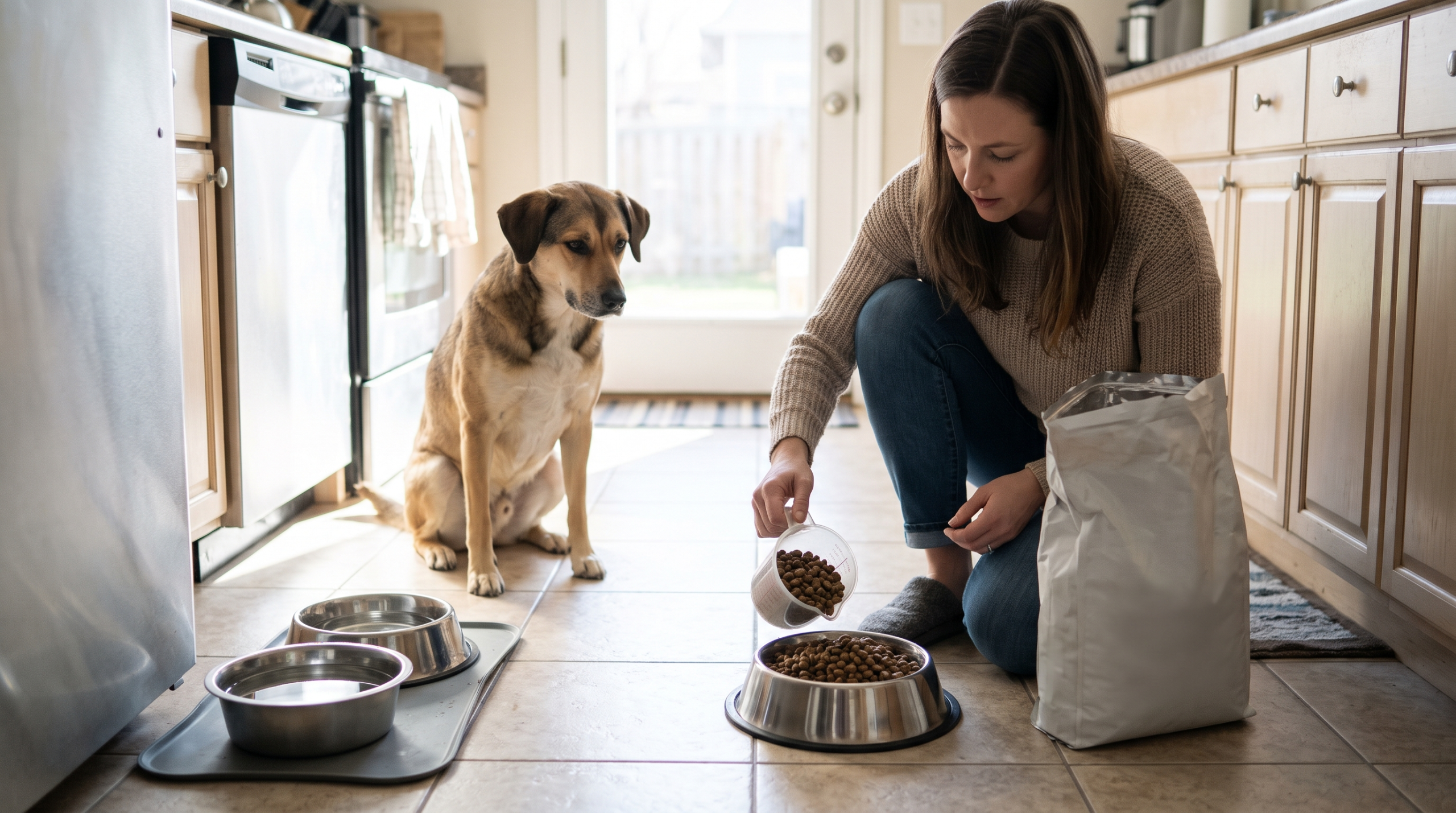
Feeding instructions provide a starting point, but the appropriate portion varies with the individual dog. Age, activity, body condition and health can all affect how much food is suitable.
Measuring meals helps owners monitor portions more consistently. Treats should also be considered as part of the dog's total daily food intake.
Monitor appetite and body condition
Pay attention to changes in eating habits, weight and general condition. A sudden or persistent change in appetite should not be treated simply as a preference issue.
A veterinarian can assess body condition and help determine whether the diet or portion plan needs adjustment. Avoid changing diets frequently without a clear reason, particularly when the dog has digestive or medical concerns.
How Much Exercise and Mental Stimulation Does a Dog Need?
Dogs need appropriate physical activity and mental engagement to support their general wellbeing. Exercise requirements vary with age, health, fitness, size, temperament and individual characteristics, so the same activity plan will not suit every dog.
Provide suitable opportunities for movement
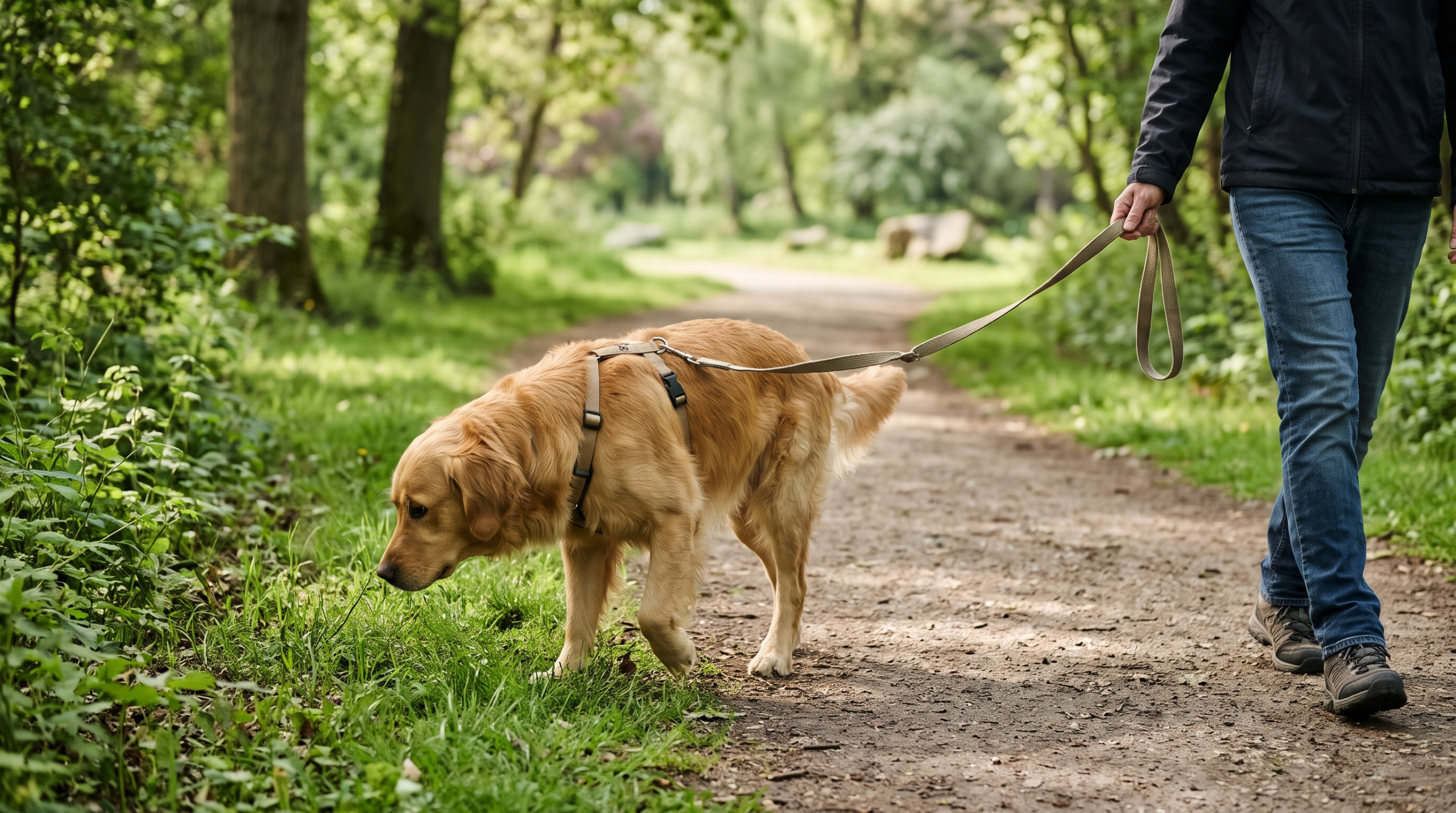
Walking is an important part of everyday care. It allows dogs to move, explore their surroundings and experience different environments.
Some dogs enjoy longer walks, while others do better with shorter outings spread throughout the day. Owners should consider the dog's physical condition and response rather than following a universal walking target.
The RSPCA's walking guidance explains that exercise requirements vary between individual dogs and may need adapting for age, health, fitness and temperament.
Include play and enrichment
Physical activity is only one part of a dog's daily needs. Dogs also benefit from activities that use their senses and encourage problem-solving.
Examples include:
- Sniffing games using suitable treats.
- Food puzzles and food-dispensing toys.
- Short reward-based training sessions.
- Supervised play with appropriate toys.
- Exploring different safe walking routes.
- Searching for familiar toys in a controlled environment.
Choose activities based on the dog's age, mobility and chewing habits. New toys should be introduced with appropriate supervision.
Adjust activity to age and health
Puppies need age-appropriate activity, frequent rest and opportunities to explore safely. Adult dogs may enjoy a wider range of walks and games, depending on their fitness. Senior dogs may benefit from shorter outings and gentler activities.
Dogs with health conditions, mobility limitations or breathing difficulties may need a plan tailored by their veterinarian.
For households where a calmer activity level is a consideration, PetStory's guide to low-energy dog breeds for apartment living offers additional context about breed characteristics and lifestyle compatibility.
A Real-Life Perspective: Building a Consistent Routine With Max
Caring for a dog at home has shown how much consistency matters in everyday life. With Max, a Golden Retriever, daily walks are an important part of maintaining an active routine. Along with outdoor exercise, playtime, rest and positive reinforcement help create a balanced approach to his care.
One lesson from this experience is that a dog's routine should not be based on exercise alone. Dogs also need time to relax, opportunities for mental stimulation and patient guidance as they learn household expectations. Keeping these activities consistent makes everyday care easier to manage while helping strengthen the relationship between a dog and its owner.
What Grooming and Hygiene Does a Dog Need?
Grooming helps maintain coat condition, cleanliness and comfort. The amount of care required depends on coat length, texture, shedding pattern, skin condition and the dog's lifestyle.
Maintain the coat
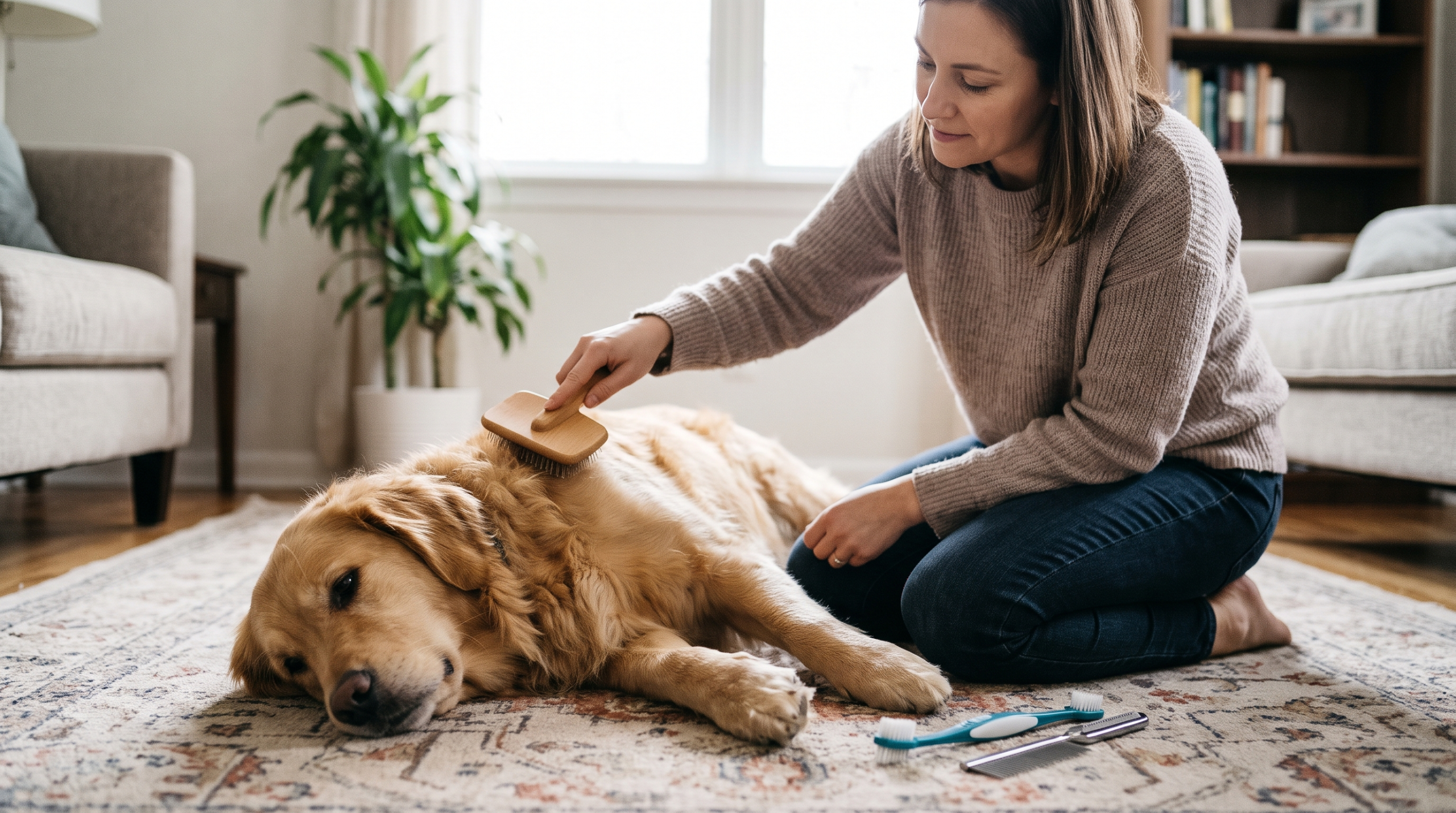
Regular brushing helps remove loose hair and prevents tangles in coats that are prone to matting. Long or dense coats may need more frequent attention than short coats.
Brushing also gives owners a chance to notice skin irritation, unusual lumps, mats, dirt or areas of sensitivity.
PetStory's shedding guide explains how coat changes can affect everyday grooming. Its guide to dog grooming products offers additional information about choosing suitable tools.
Keep paws, nails and ears in good condition
Check the paws after outdoor activities for dirt, small objects, irritation or damage. Nails should be monitored and trimmed when needed. Overgrown nails can affect comfort and movement.
Look at the outer parts of the ears for visible dirt, redness or unusual discharge. Avoid inserting cotton swabs or other objects into the ear canal. Ask a veterinarian about appropriate cleaning products and care if irritation appears.
Make dental hygiene part of ownership
Dental care deserves regular attention. Where a dog accepts it, brushing with dog-specific toothpaste and a suitable toothbrush can support oral hygiene.
Human toothpaste should not be used for dogs. Owners should also pay attention to persistent bad breath, visible buildup, discomfort when chewing or changes around the mouth.
PetStory's guide to dog dental care at home explains the basics of at-home oral hygiene.
Maintain a clean living environment
Wash bedding as needed, clean food and water bowls regularly and remove waste from the dog's living areas. Keep cleaning products and potentially harmful household substances beyond the dog's reach.
What Preventive Healthcare Should Every Dog Owner Understand?
Preventive healthcare helps owners and veterinary professionals monitor a dog's health and plan care before problems become more difficult to manage. It includes routine examinations, vaccination planning, parasite prevention, dental assessments and monitoring weight and behaviour.
Arrange routine veterinary examinations
A veterinarian can assess the dog's general condition, discuss nutrition and behaviour, review medical history and recommend suitable preventive care.
The frequency of examinations depends on age, health and individual risk. Puppies may require more frequent appointments during their early development, while older dogs may need closer monitoring.
The AAHA Canine Life Stage Guidelines explain how healthcare considerations change throughout a dog's life.
Follow an appropriate vaccination plan
Vaccinations protect dogs against selected infectious diseases. The recommended plan depends on the dog's location, lifestyle, age, medical history and exposure risks.
For example, some vaccines are recommended broadly, while others depend more heavily on local disease patterns or particular activities. Owners should follow the advice of a veterinarian familiar with local requirements.
The AAHA Canine Vaccination Guidelines provide veterinary guidance on individualised vaccination decisions.
Discuss parasite prevention
Fleas, ticks, intestinal worms and other parasites present different risks depending on geography and lifestyle. A veterinarian can recommend appropriate preventive products and explain how frequently they should be used.
Do not assume that the same product or schedule is suitable for every dog.
Monitor weight, teeth and behaviour
Owners can support preventive care by noticing everyday changes between veterinary visits.
Pay attention to:
- Changes in appetite or drinking.
- Noticeable weight changes.
- Difficulty moving or using stairs.
- Persistent coughing or breathing changes.
- Dental discomfort.
- Changes in sleep or activity.
- New or unusual behaviour.
- Changes in normal bathroom habits.
The RSPCA's guidance on dog health recommends regular observation of health, teeth, grooming and behaviour. Owners should consult a veterinarian when they notice possible signs of illness or pain.
How Can First-Time Owners Build Good Training and Behaviour Habits?
Training helps dogs understand everyday expectations and communicate more comfortably with people. First-time owners should focus on consistency, suitable rewards, patience and experiences that help the dog feel safe.
Start with useful everyday skills
Early training can include responding to a name, settling in a comfortable place, accepting a lead, learning basic cues and becoming comfortable with everyday handling.
House-training also requires consistency. Provide appropriate bathroom opportunities and reward the dog for eliminating in the desired area. Accidents should be managed calmly rather than punished.
Use positive reinforcement
Positive reinforcement involves rewarding a behaviour that the owner wants to encourage. Rewards can include suitable food, praise, play or another activity the dog enjoys.
For example, when a dog calmly sits before being greeted, the owner can reward that behaviour. Repeating the same approach helps make household expectations easier to understand.
The American Veterinary Society of Animal Behavior's Humane Dog Training Position Statement recommends reward-based methods for dog training and behaviour modification.
PetStory explains these methods further in its guide to positive reinforcement and clicker training.
Support appropriate socialisation
Socialisation helps dogs become more familiar with suitable people, animals, sounds, surfaces and everyday environments. Experiences should be planned around the dog's age, comfort and health needs.
For puppies, owners should discuss safe socialisation opportunities with their veterinarian, especially before the puppy has completed its initial vaccination programme. Avoid forcing a nervous dog into situations it cannot comfortably manage.
Recognise when behaviour support is useful
Persistent barking, destructive behaviour, fear, handling difficulties or distress when left alone may need more than basic training. A veterinarian can assess possible medical contributors and recommend a suitably qualified behaviour professional when necessary.
For related reading, PetStory has guides to why dogs bark at everything, dog separation anxiety and helping dogs redirect furniture chewing.
How Do Dog Care Needs Change at Different Life Stages?
Dogs need different forms of support as they grow and age. Feeding, exercise, rest, training and preventive healthcare should be reviewed throughout their lives rather than kept identical from puppyhood onwards.
Puppies
Puppies need age-appropriate food, frequent bathroom opportunities, safe exploration, early training and plenty of rest. Their veterinary care also includes guidance on vaccinations, parasite prevention and other early health needs.
The first few weeks at home are particularly important for establishing comfortable routines. PetStory's guide to a puppy's first 24 hours explains how owners can prepare for the initial adjustment.
Adult dogs
Adult dogs often have more predictable routines, but their needs still depend on health, fitness and temperament. Owners should maintain appropriate nutrition, regular activity, grooming, training and preventive veterinary care.
A change in household circumstances or health may also require adjustments to the dog's routine.
Senior dogs
Senior dogs may experience changes in mobility, stamina, body condition, hearing, vision or sleep. Some remain active, while others benefit from shorter walks, easier access to bedding and more frequent rest.
Veterinary monitoring can help identify changes that deserve attention. PetStory's guide to dog breeds with the longest lifespans provides additional reading about factors associated with canine longevity.
How Can You Choose Reputable Veterinary and Pet-Care Support?
Dog owners often rely on professionals for preventive healthcare, grooming, training and care when they are away. Choosing people who communicate clearly and handle animals responsibly can make those arrangements more comfortable.
Choosing a veterinary practice
Look for a veterinary practice that can explain its services, appointment arrangements, emergency procedures and approach to preventive care. Owners should feel able to ask questions about nutrition, vaccinations, behaviour and treatment options.
A useful first appointment is also an opportunity to discuss the dog's history and establish a plan for ongoing care.
Choosing a trainer or behaviour professional
Ask about the person's education, practical experience, training methods and approach to individual dogs. Look for professionals who explain their methods clearly, welcome questions and prioritise animal welfare.
The AVSAB's position statements and public resources are a useful starting point. Its recommendations focus on reward-based methods and transparent professional practice.
Choosing a groomer or pet sitter
Before using a groomer, ask about cleanliness, safety procedures, handling practices and how dogs are supported when they become uncomfortable. The RSPCA's dog care guidance provides broader information about responsible everyday care.
For pet sitters and boarding providers, discuss feeding, medication requirements, exercise, emergency contacts and the dog's individual behaviour. A suitable provider should be comfortable explaining how daily care will be handled.
What Are Common First-Time Dog Owner Mistakes to Avoid?
Many ownership difficulties begin with assumptions that do not reflect a dog's individual needs. Understanding these common mistakes can help new owners make more practical decisions.
| Common mistake | A more helpful approach |
|---|---|
| Choosing a dog based only on appearance | Consider temperament, activity needs, health and household compatibility. |
| Assuming every dog needs the same exercise | Adapt activity to age, fitness, health and individual response. |
| Guessing food portions | Follow feeding guidance and monitor body condition with veterinary support. |
| Treating grooming as occasional cosmetic care | Maintain a suitable coat, nail, paw, ear and dental routine. |
| Relying only on walks for stimulation | Include sniffing, play, training and appropriate enrichment. |
| Ignoring changes in normal behaviour | Record persistent changes and discuss them with a veterinarian. |
| Using punishment when training is difficult | Choose consistent, reward-based methods. |
| Planning only for routine expenses | Consider veterinary emergencies, boarding and other unexpected costs. |
| Delaying care arrangements for busy days | Make a realistic plan for supervision, bathroom breaks and companionship. |
An individual dog's needs may also change over time. Reviewing the care plan periodically helps owners adapt to these changes rather than relying on assumptions made when the dog first arrived.
Frequently Asked Questions
1. What does a first-time dog owner need to do every day?
A first-time dog owner should provide suitable meals, fresh water, bathroom opportunities, exercise, mental stimulation, companionship and a comfortable place to rest. Owners should also observe appetite, movement, coat condition and behaviour. The exact schedule depends on the dog's age, health and individual needs.
2. What are the basic responsibilities of owning a dog?
Basic responsibilities include providing food, water, safe housing, veterinary care, exercise, grooming, training and companionship. Owners must also plan for everyday expenses, unexpected healthcare needs and suitable arrangements when they are unavailable. Responsible ownership continues throughout the dog's life.
3. How do food, exercise, grooming and preventive care fit together?
These responsibilities support different parts of a dog's wellbeing. Nutrition provides essential nutrients, exercise supports physical activity, grooming helps maintain hygiene and preventive veterinary care monitors health. They work together as part of an overall care plan tailored to the individual dog.
4. How do you choose the right dog for a first-time owner?
Consider the dog's temperament, activity needs, size, health and compatibility with the household. Also review the time and financial commitment required. Speak with a reputable rescue organisation, shelter or responsible breeder to understand the individual dog's background and care needs.
5. How often should a dog visit the veterinarian?
There is no single appointment schedule suitable for every dog. Age, health, vaccination status, lifestyle and medical history all influence the appropriate frequency. Puppies and dogs with ongoing health concerns may need closer attention. Ask a veterinarian to establish an individual preventive-care plan.
6. Is training necessary for every dog?
Yes. Dogs benefit from learning everyday skills that make home life, walks and social interactions more manageable. Training should use consistent, reward-based methods and be adapted to the dog's age, temperament and learning pace. Additional professional support may be useful for persistent behaviour concerns.
7. How should dog care change as a dog gets older?
Care should adapt to the dog's changing nutritional, physical and healthcare needs. Puppies need support with growth and learning, adult dogs need consistent maintenance, and senior dogs may need adjustments for mobility, comfort and closer health monitoring. Veterinary guidance helps owners make appropriate changes.
Conclusion: Building a Responsible Dog Care Plan
A dog care guide for first-time owners should provide more than a checklist of daily tasks. Responsible ownership involves choosing a suitable companion, understanding nutrition, providing exercise and enrichment, maintaining hygiene, arranging preventive healthcare and developing positive training habits. These responsibilities should adapt as the dog grows and its needs change.
The next practical step is to establish a consistent routine using PetStory's daily dog care routine guide.
About the Author
Irfan Hyder is the editor of PetStory.org, an independent publication covering pet care, adoption, nutrition and behaviour. He has spent around 8 years caring for pets at home, including his Golden Retriever, Max, his Persian cat, Luna, and pet birds, and writes alongside veterinary and reputable sources.