
Table of Contents
Coming home to a happy, energetic pet after a long day is one of life’s simplest pleasures. Whether it’s a dog wagging its tail or a cat purring as it weaves through your legs, their vibrant energy brings immense happiness to our lives. Ensuring your furry, feathered, or scaled friend lives a long and fulfilling life requires more than just affection—it demands a proactive approach to their daily care and well-being.
Pet care is about more than just food and shelter—it’s about creating an environment where your pet can thrive. An active, healthy lifestyle strengthens their immune system, helps prevent expensive medical problems, and deepens your bond. This guide will walk you through the best ways to keep your pet in peak condition, from diet and exercise to mental stimulation and preventive care.

The Importance of Regular Exercise
Regular physical activity is the cornerstone of your pet’s health. Just like humans, pets need consistent movement to maintain healthy joints, strong muscles, and good cardiovascular health. Regular exercise helps them stay agile and mobile throughout their lives. It’s also a great way for them to burn off excess energy, which might otherwise lead to destructive behaviors like chewing furniture or excessive barking. A tired pet is a happy, well-behaved pet.
A common misconception is that indoor pets don’t need dedicated exercise. This is false. Even an indoor cat needs daily play to satisfy its natural instincts and prevent obesity. Without regular movement, pets can easily gain weight, leading to serious health complications like diabetes and arthritis.
Here are a few ways to create a healthy exercise routine:
- For Dogs: Aim for at least one long, brisk walk daily, supplemented with active play like fetch or tug-of-war. Adjust the intensity based on your dog’s breed and age.
- For Cats: Use laser pointers, feather wands, or small toys to encourage running and pouncing for 15 minutes, twice a day.
- Consistency is Key: Pets thrive on routine, so try to exercise at the same time every day.
Balanced Nutrition: Feeding Your Pet Right
Like humans, pets need a balanced diet to thrive. The right food fuels their bodies, directly impacting their energy levels, coat health, and immune system. Providing a proper diet is one of the most significant ways to ensure your pet’s long-term health and happiness, as it provides the essential nutrients they need to grow, repair tissue, and stay active.
Many new pet owners assume all pet foods are created equal, but the quality of ingredients varies drastically. Cheaper options are often packed with fillers, by-products, and excess carbohydrates that offer little nutritional value.
To choose the right diet, always read the ingredient label. Look for whole protein sources, like chicken, beef, or fish, listed as the first ingredient. Also, consider your pet’s life stage, as puppies and kittens have different nutritional needs than senior pets. If you’re unsure, consult a veterinary nutritionist or refer to resources from the World Small Animal Veterinary Association (WSAVA).

Mental Stimulation: Keeping Your Pet’s Mind Sharp
Just as physical exercise is crucial for your pet’s body, mental stimulation is key to keeping their mind sharp. Intelligent pets, like many dog and cat breeds, can become bored without regular mental challenges. This boredom can be a major stressor, leading to behavioral issues like separation anxiety, destructive chewing, excessive barking or meowing, or even obsessive actions. Providing engaging activities can prevent these problems and enrich your pet’s life.
Adding mental challenges to your pet’s day is easy and rewarding. Watching a cat solve a treat puzzle or a dog master a new trick strengthens the bond you share.
Try integrating these mental workouts into your routine:
- Interactive Puzzle Toys: Instead of a standard food bowl, use puzzle feeders or snuffle mats that encourage your pet to “work” for their food.
- Daily Training Sessions: Spend ten minutes a day teaching a new command or reinforcing old ones. Training requires focus and is mentally tiring.
- Scent Games: Hide your pet’s favorite treats around the room and encourage them to sniff them out.
Preventive Care: Regular Checkups and Vaccinations
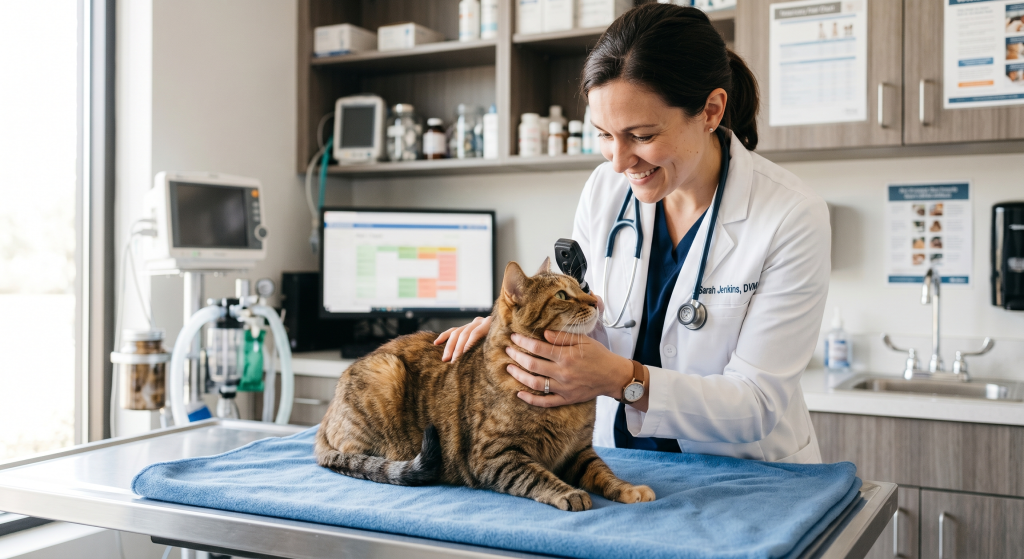
Even the most active and well-fed pets need professional medical oversight. Preventive care helps catch minor health issues before they become serious emergencies.
Schedule a wellness exam with your veterinarian at least once a year. During these visits, your vet will administer necessary vaccinations, check for heart murmurs, examine teeth, and run routine blood work. The American Veterinary Medical Association (AVMA) emphasizes that early detection is the best way to extend your pet’s life.
As a responsible owner, learn to spot early signs of health issues at home. Watch for sudden changes in appetite, increased thirst, lethargy, or shifts in bathroom habits. If you notice anything unusual, call your vet immediately.
Creating a Safe and Stimulating Environment
Your pet’s surroundings significantly impact their health and stress levels. A safe, enriching home is key to preventing injuries and ensuring your pet feels comfortable, happy, and secure.
To prevent accidents, start by pet-proofing your home. Store toxic plants, medications, and harsh cleaning chemicals in locked cabinets or on high shelves out of your pet’s reach. Also, secure loose electrical cords that a curious pet might chew on to avoid shocks or other serious injuries.
Next, enrich their environment to keep them mentally and physically stimulated. Provide a variety of toys, like puzzle feeders and treat-dispensing balls, to keep them occupied, especially when you’re not home. It’s also important to give your pet a quiet, safe resting area where they can retreat and relax. For cats, vertical space is essential. Consider installing multi-level cat trees or wall-mounted shelves to give them a place to climb and observe. For dogs, ensure they have a comfortable bed in a calm spot away from high-traffic areas.
Final Thoughts
Keeping your pet healthy is a rewarding, lifelong commitment that enriches both your lives. By prioritizing daily exercise, a high-quality diet, mental stimulation, and regular vet visits, you give them the best chance at a long, happy life.
Start small by implementing one or two of these tips today. Swap their dinner bowl for a puzzle feeder or add ten minutes to your evening walk. Your furry friend will thank you with more energy, better behavior, and endless affection.
Did you find this guide helpful? Share it with fellow pet parents! For more expert advice and training guides, explore the rest of our resources here on PetStory.org.