

Table of Contents
We all want our cats to live long, healthy lives. While we haven’t discovered the secret to feline immortality, we know the next best thing: an excellent diet. What you put in your cat’s bowl directly impacts their energy, coat, and overall lifespan.
But navigating the pet food aisle can be overwhelming. Should you choose the convenient bags of dry kibble or the stacks of canned wet food? What about the raw diets or homemade meals you’ve heard about?
This cat nutrition guide breaks down what your furry friend needs to thrive. We’ll explore the dry vs. wet food debate, share essential cat health tips, and help you choose a healthy cat food that fits your lifestyle and your pet’s needs.
Understanding a Cat’s Nutritional Needs
Before choosing a specific food, it helps to understand how a cat’s body works. Cats are obligate carnivores, meaning they are biologically designed to get their nutrients from animal tissue.
Unlike dogs or humans, cats cannot thrive on a plant-based diet. They require high amounts of animal-based protein to maintain muscle mass and support organ function. They also need specific amino acids, like taurine, found naturally in meat. A taurine deficiency can lead to severe heart and vision problems.
Hydration is another critical piece of the feline health puzzle. In the wild, cats get most of their moisture from their prey. Because of this, domestic cats have a low thirst drive and often don’t drink enough water on their own. This makes moisture-rich foods vital for their kidney and urinary health.
Choosing the Right Diet for Your Cat
Finding the best diet for your cat often comes down to balancing nutrition, convenience, and their preferences. Here’s a breakdown of the most common options.
Dry Kibble
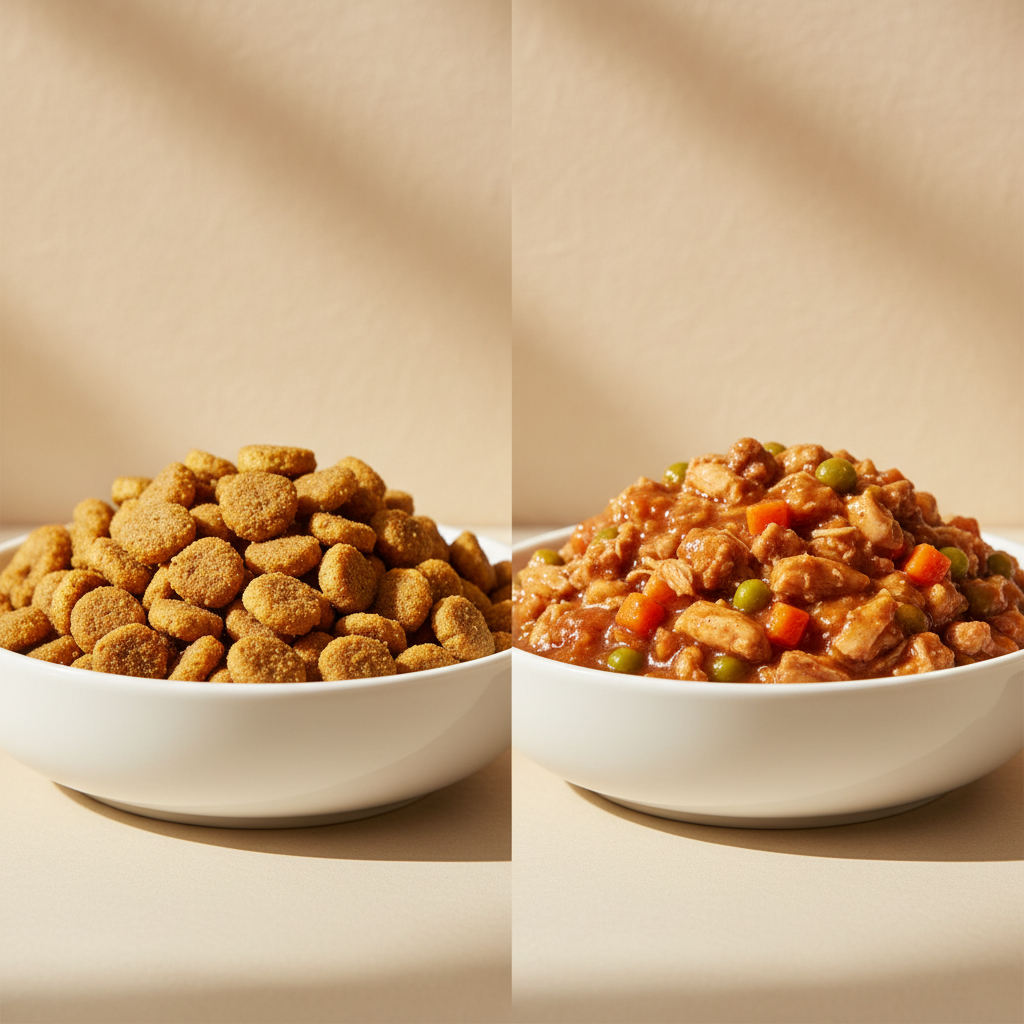
Dry food is popular because it’s convenient, affordable, and easy to store. You can leave it out during the day without worrying about it spoiling.
- Pros: Cost-effective, easy to measure, and convenient for cats who graze.
- Cons: Low moisture content (around 10%), which can contribute to dehydration if your cat doesn’t drink enough water. It is also often higher in carbohydrates.
Wet Food
Canned or pouched wet food smells great to cats and is highly palatable. More importantly, it contains about 70-80% water.
- Pros: Excellent for hydration, supports urinary tract health, and is usually higher in animal protein and lower in carbohydrates.
- Cons: More expensive than kibble and spoils quickly once opened.
Raw and Homemade Diets
Some owners prefer raw food or homemade meals to control exactly what their cat eats.
- Pros: Highly customizable and can mimic a cat’s natural diet.
- Cons: Difficult to balance nutritionally without a veterinary nutritionist. Raw meat also carries a risk of bacterial contamination for both the pet and the owner.
Pro tip for reading labels: The first ingredient should always be a named protein source, like “chicken” or “salmon.” Avoid vague terms like “meat by-products” or excessive artificial colors and preservatives.
Common Health Issues Related to Diet
Your cat’s diet plays a direct role in preventing chronic illness. A poor diet can lead to health problems that are stressful for your pet and expensive for you.
Obesity is the most common nutritional disease in domestic cats. Extra weight puts a strain on their joints and dramatically increases their risk of diabetes. The main culprits are often carbohydrate-heavy diets and free-feeding with an overflowing bowl of kibble.
Urinary tract issues, including painful crystals and blockages, are also linked to diet. These conditions are more likely to occur in concentrated urine. A moisture-rich diet helps flush the bladder and keep the urinary tract functioning smoothly. Keep an eye out for signs of trouble, such as a dull coat, lethargy, or sudden weight changes.
Age-Specific Dietary Needs
Your cat’s nutritional requirements change as they grow from a kitten into a senior.
- Kittens: Growing kittens need more calories, fat, and protein to support rapid bone and muscle development. Look for specially formulated kitten food and feed them several small meals throughout the day.
- Adults (1-7 years): The focus for adult cats is maintaining a healthy weight. A balanced adult formula with controlled portions will help prevent obesity.
- Seniors (7+ years): Older cats often need highly digestible proteins and fewer calories to accommodate a slower metabolism. Many senior diets also include joint supplements and adjusted phosphorus levels to support aging kidneys.
Special Diets for Cats with Health Conditions
Sometimes, standard cat food isn’t enough. If your cat develops specific health issues, a therapeutic diet may be necessary.
Cats with food allergies often have itchy skin or chronic stomach upset and may benefit from limited-ingredient diets or novel proteins like duck or venison. Cats with chronic kidney disease require foods low in phosphorus and protein to reduce waste products.
If you suspect your cat has a medical condition, never try to diagnose and treat it with diet alone. Always consult your veterinarian to create a safe and effective dietary plan.
Tips for Feeding Your Cat
Establishing a healthy feeding routine makes life easier for both of you. Instead of leaving food out all day (free-feeding), switch to structured mealtimes. This makes portion control easier. Measure out specific amounts based on the package guidelines and your vet’s recommendations.
If you change your cat’s food, do it slowly. Sudden changes can cause diarrhea and vomiting. Mix a small amount of the new food into the old food, gradually increasing the ratio over 7 to 10 days.
Foods to Avoid
Many human foods are toxic to cats. Keep your feline away from the following:
- Chocolate and caffeine
- Onions, garlic, and chives
- Grapes and raisins
- Alcohol and raw dough
Avoid feeding your cat table scraps. Human food is often too fatty and salty and can trigger painful conditions like pancreatitis. The ASPCA Animal Poison Control Center provides an excellent, up-to-date list of household dangers.
Encouraging Healthy Eating Habits
Some cats are picky eaters. If your cat refuses their dinner, try warming wet food slightly to enhance its aroma. You can also mix a spoonful of low-sodium chicken broth into their kibble to make it more appealing.
Make mealtime mentally stimulating. In the wild, cats hunt for their food. You can replicate this with puzzle feeders or by hiding small portions of food around the house. This taps into their natural instincts, prevents boredom, and slows down fast eaters. For more ideas, check out our guide on the Best Cat Toys for Mental Stimulation.

Prioritizing Your Cat’s Wellbeing
Nutrition is the foundation of your cat’s health. By understanding their need for meat, balancing dry and wet food for hydration, and tailoring meals to their life stage, you are investing in their longevity.
Remember, this guide is a starting point. Every cat is an individual. We encourage you to talk with your veterinarian to fine-tune your pet’s meal plan.
Want to learn more about keeping your cat happy and healthy? Explore our comprehensive archive of Cat Care and Wellness Guides right here on petstory.org.
