
Table of Contents
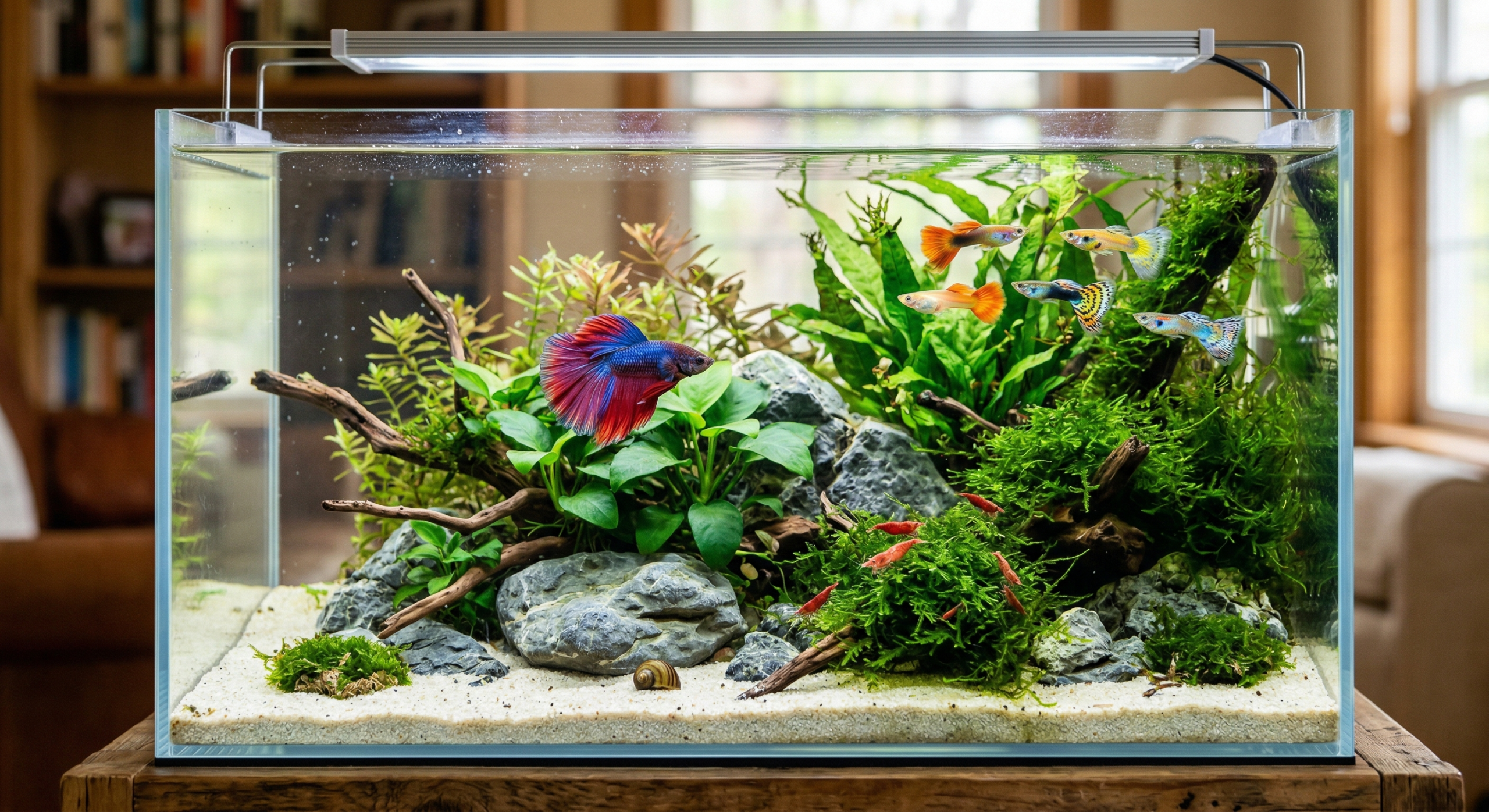
Between juggling work, running errands, and maintaining a social life, finding time for a pet can feel impossible. Dogs need walks, cats require litter box duty, and birds demand attention. But what if you could come home to a slice of underwater tranquility without adding a major chore to your to-do list?
Aquatic pets offer a beautiful solution. Watching fish glide through the water can lower blood pressure and reduce stress, bringing a peaceful aesthetic to any room. Best of all, choosing low-maintenance aquatic pets means you get the joy of pet ownership with a fraction of the upkeep.
If you want a stunning underwater ecosystem without the time for intensive daily care, you’re in the right place. Let’s dive into the best aquatic pets for beginners and how to set up a thriving, low-effort tank.
What Makes an Aquatic Pet Low-Maintenance?
Not all fish have the same care requirements. Some need pristine water conditions, specific diets, and large aquariums. So, what makes an aquatic pet easy to care for?
First, low-maintenance aquatic pets are hardy. They tolerate slight fluctuations in water temperature and chemistry without getting sick. Second, they have straightforward dietary needs and produce minimal biological waste. Less waste means less time scrubbing algae and vacuuming gravel.
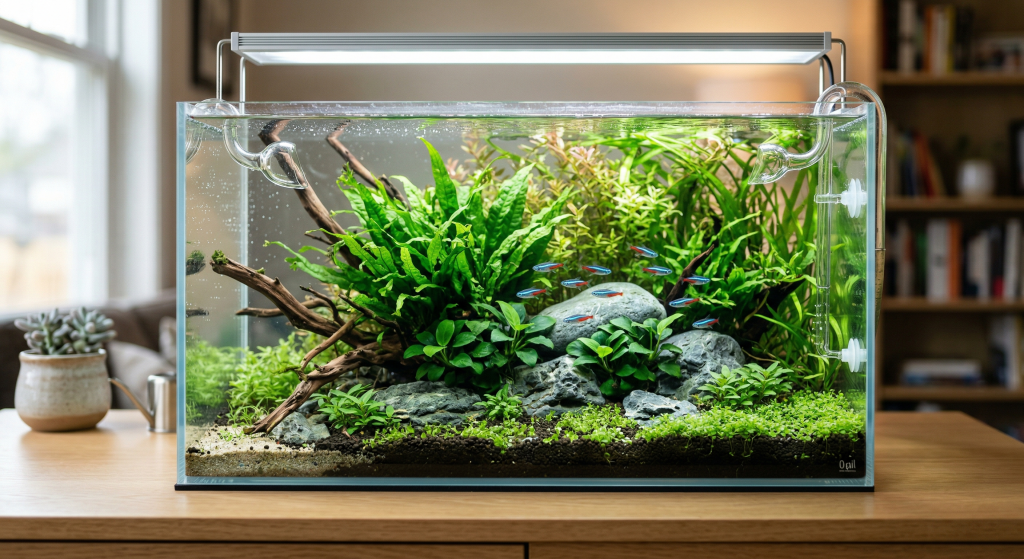
However, a pet is only as low-maintenance as its environment. Choosing the right tank, investing in a reliable filter, and adding live aquatic plants will do the heavy lifting for you, allowing you to simply enjoy the view.
Top 5 Low-Maintenance Aquatic Pets
Ready to meet your new aquatic roommates? Here are five easy-to-care-for pets that thrive even with a packed schedule.
Betta Fish (Siamese Fighting Fish)
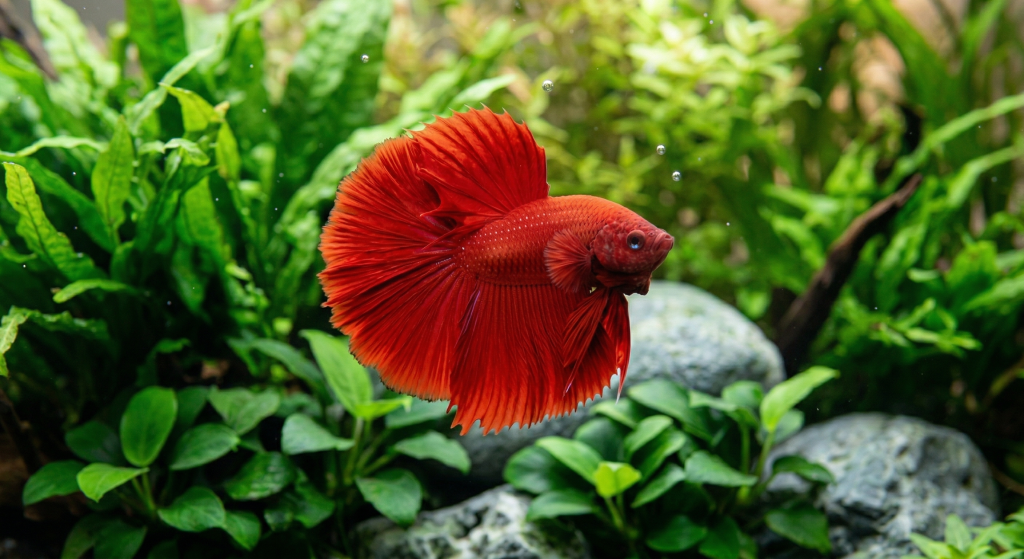
Betta fish are the undisputed kings of low-maintenance fish tanks. With their flowing fins and jewel tones, they double as moving art. Because they are solitary, you don’t need to worry about buying a whole school or managing complex fish dynamics.
- Care Requirements: Very low. They need a gentle filter and a heater to keep their water between 78°F and 80°F.
- Tank Size: A 5-gallon tank is perfect.
- Feeding Habits: Feed them a small pinch of high-quality Betta pellets once or twice a day.
- Fun Fact: Betta fish are smart enough to recognize their owners and will often swim to the front of the tank to greet you.
Guppies
If you want constant movement and a splash of color, guppies are a fantastic choice. These tiny, active fish are resilient and adapt well to various water conditions. They are schooling fish, so you’ll want to keep a group of at least three to five.
- Care Requirements: Low. They are tough, adaptable, and get along with other peaceful fish.
- Tank Size: A 10-gallon tank provides plenty of swimming room.
- Feeding Habits: Guppies aren’t picky and happily eat standard tropical fish flakes.
- Fun Fact: Guppies are livebearers, meaning they give birth to free-swimming babies instead of laying eggs.
Mystery Snails
Want a pet that cleans up after itself? Meet the Mystery Snail. These invertebrates crawl along the glass and substrate, munching on leftover food and algae. They come in gorgeous colors like gold, blue, and purple.
- Care Requirements: Very low. Just ensure your tank has a tight lid, as they are known to crawl out.
- Tank Size: A 5-gallon tank works well for one or two snails.
- Feeding Habits: They scavenge for algae and leftover fish food, but you should supplement their diet with sinking algae wafers.
- Fun Fact: Mystery snails have a specialized breathing tube (siphon) that they stretch to the water’s surface to breathe air, much like a tiny snorkel.
Cherry Shrimp
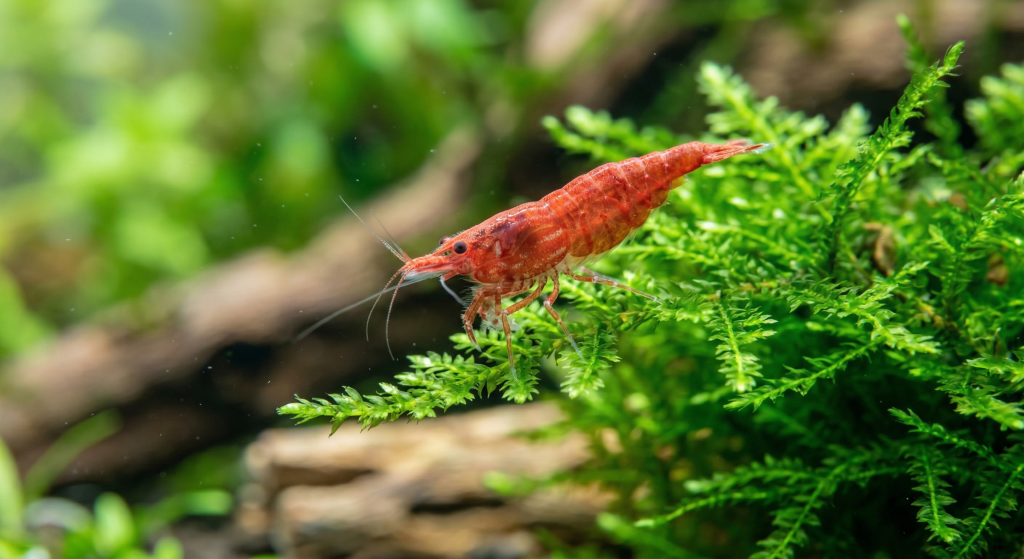
Cherry shrimp look like tiny, bright red gems crawling through your aquarium. They are completely peaceful and spend their time grazing on biofilm and algae, keeping your tank spotless.
- Care Requirements: Low to moderate. They need stable water parameters, so an established tank is best. Keep them away from large fish that might see them as a snack.
- Tank Size: A 5-gallon, heavily planted tank is an ideal shrimp paradise.
- Feeding Habits: They mostly eat algae and biofilm but can be supplemented with shrimp pellets.
- Fun Fact: When cherry shrimp outgrow their shells, they molt. You might find a perfect, transparent replica of your shrimp sitting on a leaf.
African Dwarf Frogs
Want something other than a fish? African Dwarf Frogs are fully aquatic, clumsy, and endearing. They spend their days hiding among plants or resting near the surface.
- Care Requirements: Low. They need warm water, gentle filtration, and secure hiding spots.
- Tank Size: A 10-gallon tank comfortably houses two or three frogs.
- Feeding Habits: They require a sinking, meat-based diet like frozen bloodworms or specialized frog pellets.
- Fun Fact: African Dwarf Frogs don’t have vocal cords, but males can “sing” by rapidly clicking small bones in their throats to attract mates.
Tips for a Low-Maintenance Tank
Setting up your aquarium correctly is the secret to a stress-free experience. Follow these tips to create an environment that practically runs itself.
- Go Bigger: It sounds counterintuitive, but larger tanks are easier to maintain. A 10-gallon tank dilutes toxic waste much faster than a small 2-gallon bowl, giving you more leeway if you miss a cleaning.
- Invest in a Good Filter: Your filter is the heart of the tank. It provides mechanical filtration (catching debris) and biological filtration (housing good bacteria that break down waste).
- Add Live Plants: Plants like Anubias, Java Fern, and floating Duckweed act as natural water purifiers. They absorb excess nutrients that would otherwise feed algae, keeping your water clear.
- Use a Light Timer: Too much light triggers algae blooms. Plug your aquarium light into a timer and set it for six to eight hours a day.
Common Mistakes to Avoid
Even with easy pets, a few common blunders can turn a relaxing hobby into a chore.
Overfeeding: This is the most common beginner mistake. A fish’s stomach is about the size of its eyeball. When you add too much food, the uneaten leftovers rot, causing ammonia spikes and dirty water. Feed only what your pets can consume in two minutes.
Overcrowding: Cramming too many fish into a small tank overloads the filter. A good rule of thumb is one inch of adult fish per gallon of water. Fewer fish mean fewer problems.
Neglecting Water Changes: Low maintenance doesn’t mean no maintenance. You still need to remove about 20% of the tank water every two weeks and replace it with fresh, dechlorinated water. Skipping this step leads to a buildup of invisible toxins.
Conclusion
You don’t need hours of free time to enjoy the companionship of an aquatic pet. By selecting hardy species like Betta fish or Mystery Snails and setting up your tank correctly, you can create a beautiful underwater world that requires just minutes of care each week.
Always research your specific pet’s needs before bringing it home. For veterinary advice on aquatic health, trusted resources like PetMD and the ASPCA are excellent places to learn more.
Ready to build your aquatic oasis? Check out our complete guide to the Best Fish Tanks for Beginners to find the perfect setup, and explore our Aquatic Care Guides on petstory.org for more tips to keep your new friends happy and healthy.