
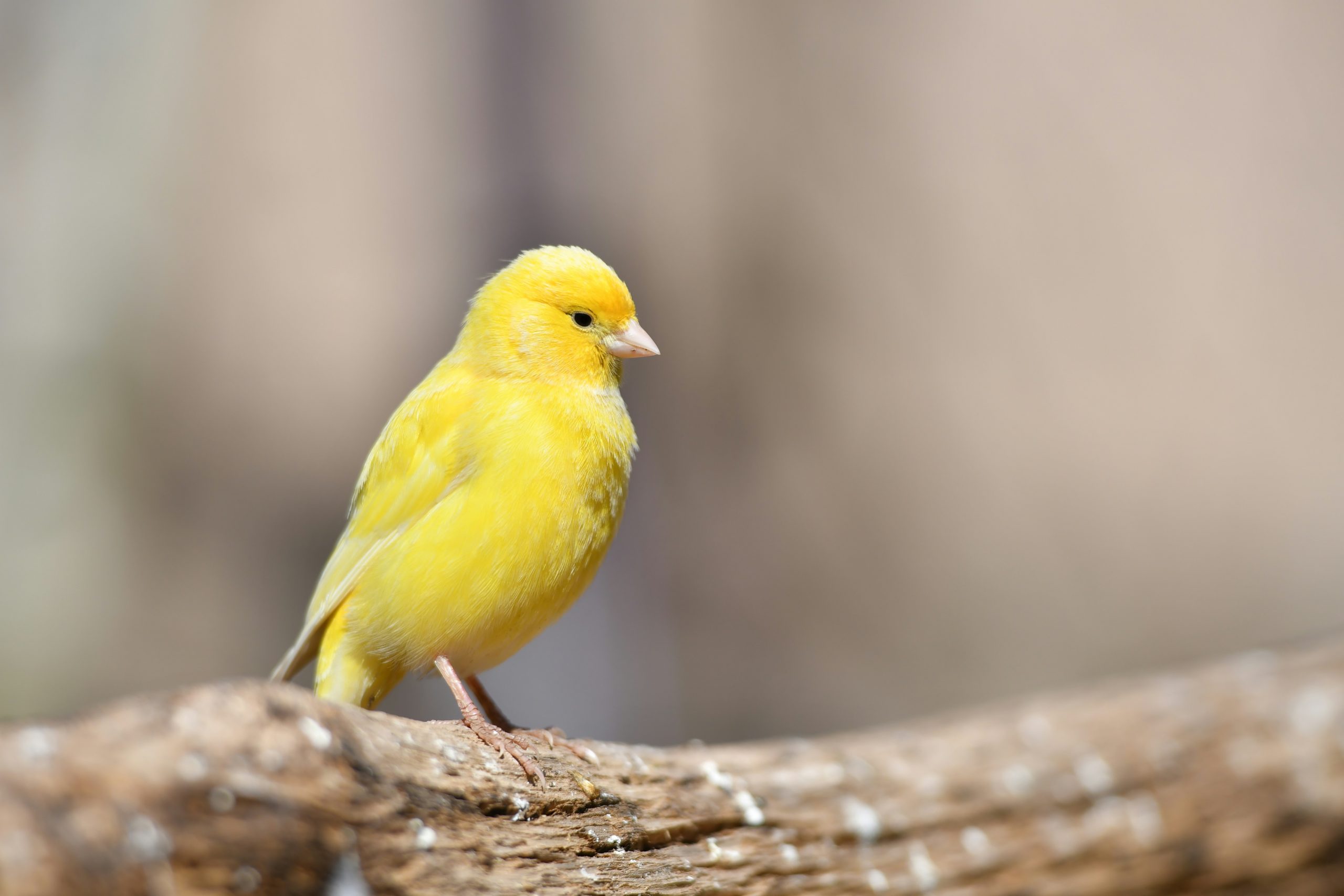
A silent canary can be unsettling, especially if you bought the bird for its beautiful song. One day your home is filled with cheerful trills, and the next—nothing. Before you panic, take a breath. When owners ask why is my canary not singing, the answer is often something completely natural, like a molt or a shift in daylight.
That said, silence deserves attention. Sometimes a canary stopped singing because it feels stressed, unwell, or unsettled in its environment. The trick is knowing how to tell the difference between a normal quiet spell and a genuine problem.
This article walks through the most common reasons why is my canary not singing, the warning signs that call for a vet, and practical steps for how to get a canary to sing again. By the end, you'll know exactly what to look for and how to respond.
Table of Contents
- Is It Normal for a Canary to Stop Singing?
- Molting: The Most Common Reason Why Is My Canary Not Singing
- Stress and Environmental Changes
- Is Your Canary Actually Male?
- Illness or Discomfort
- Age, Season, and Hormonal Changes
- Cage Setup, Light, and Daily Routine
- How to Encourage a Canary to Sing Again
- Common Mistakes Canary Owners Make
- When Should You Worry If Your Canary Is Not Singing?
- Frequently Asked Questions
- Final Thoughts
Is It Normal for a Canary to Stop Singing?
Yes—in many cases, it's completely normal. Canaries are not machines that sing on demand. Their song naturally rises and falls throughout the year, and a quieter phase doesn't automatically mean something is wrong.
There's an important difference between a bird that sings less and one that has stopped completely. A canary that still chirps, moves around, eats well, and looks alert is likely just going through a routine slowdown. A bird that is silent, still, and puffed up is a different story.
Why is my canary not singing as much? Song fluctuates for several everyday reasons:
- Seasonal shifts in daylight and temperature
- Molting, when the bird replaces its feathers
- Breeding cycles and hormonal changes
- Daily routine changes at home
Many owners worry too early. If your canary has only been quiet for a few days and shows no other symptoms, give it time before assuming the worst.
Molting: The Most Common Reason Why Is My Canary Not Singing
If your canary suddenly went quiet, molting is the most likely explanation. Molting is the natural process where a canary sheds old feathers and grows new ones. It's physically demanding, and singing usually takes a back seat.
During a molt, the bird's energy goes toward feather regrowth rather than song. According to VCA Animal Hospitals, molting is a normal seasonal event for pet birds and typically happens once a year, often in late summer or early fall.
Signs your canary is molting include:
- Loose or dropped feathers at the bottom of the cage
- Pin feathers (small, spiky new feathers) appearing
- Reduced energy and more resting
- Little to no singing
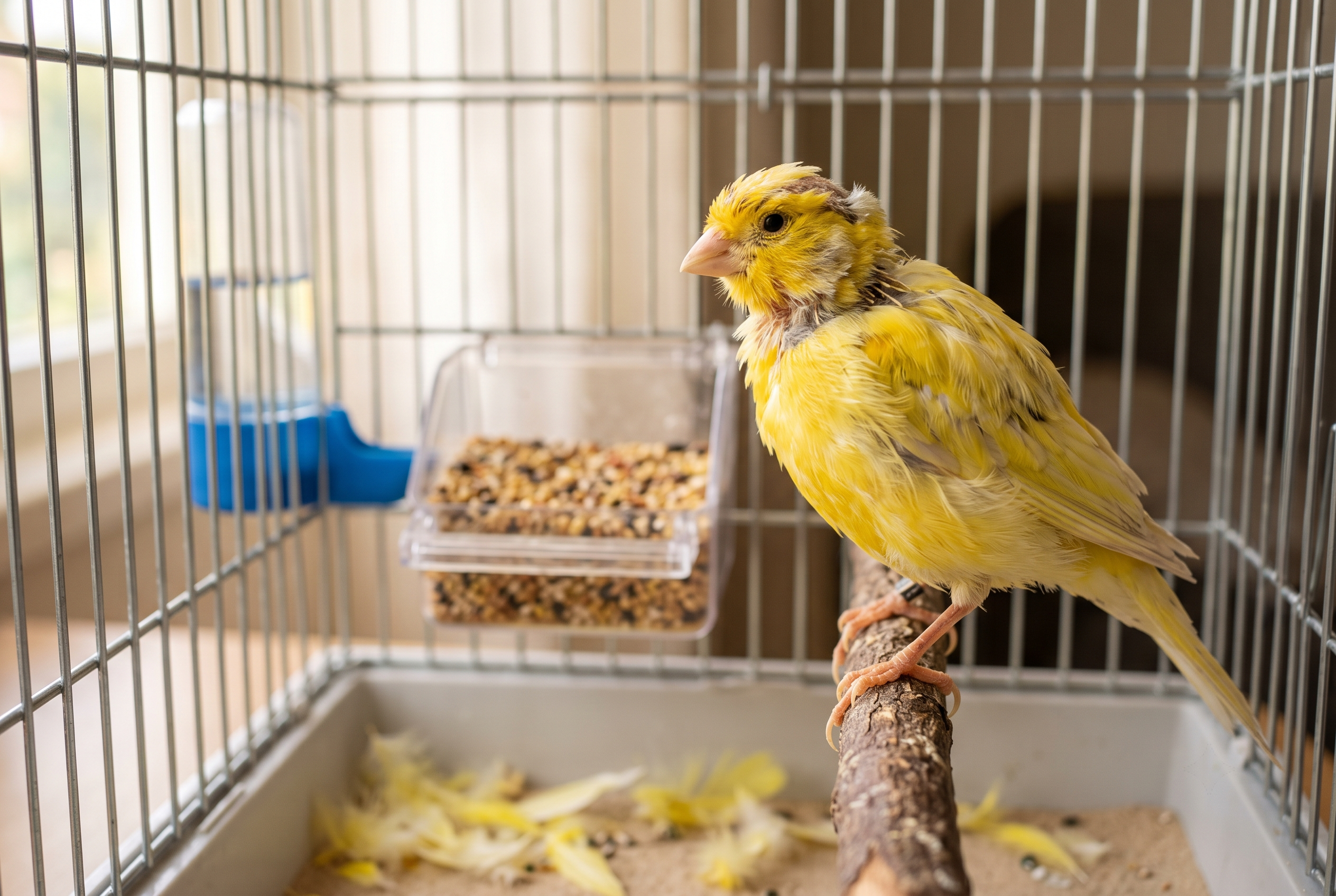
A molt can last anywhere from a few weeks to a couple of months. If you're wondering why is my canary not singing during this period, the answer is simple—growing feathers takes energy. The best thing you can do is support your bird:
- Offer a protein-rich diet with egg food or molting supplements
- Keep the cage calm and quiet
- Maintain steady warmth and avoid drafts
- Provide regular baths to soothe the skin
Once the molt finishes, most canaries return to full song on their own.
Stress and Environmental Changes
Canaries are sensitive birds, and stress is a leading cause of sudden silence. If your canary stopped singing shortly after a change at home, stress is a strong suspect.
Common stressors include:
- Moving to a new cage or home
- Loud or constant noise near the cage
- Too much handling or attention
- Other pets, especially cats and dogs, watching the bird
- Poor cage placement, such as a busy hallway or drafty window
- Lack of a consistent daily routine
A stressed canary often stops singing before showing any other symptom, since song is closely tied to a feeling of safety. Owners asking why is my canary not singing after a move or a household change should start here—stress is often the culprit. To help your bird settle:
- Place the cage in a calm, quiet corner at eye level
- Keep predator pets out of sight
- Establish a predictable daily rhythm for feeding, light, and rest
- Give a new bird at least one to two weeks to adjust before expecting song
Is Your Canary Actually Male?
Here's a detail that surprises many new owners: male canaries are the primary singers. If you have a male canary not singing, that's worth investigating—but if your bird is female, silence may simply be its nature.
Female canaries can make sounds, chirp, and produce short bursts of song, but they rarely develop the long, elaborate melodies that males are famous for. Some owners are told they're buying a strong singer, only to discover later that the bird is female.
If you keep asking why is my canary not singing and the bird has never sung a full song since you brought it home, ask yourself:
- Was the bird sexed by a breeder or vet?
- Have you only ever heard short chirps rather than sustained song?
- Is the bird otherwise healthy and active?
If the answer points to a female, then the "problem" isn't a problem at all—it's biology. Sex is one of the most overlooked answers to why is my canary not singing.
Illness or Discomfort
While most silence is harmless, a sick canary will often stop singing before anything else becomes obvious. Birds instinctively hide illness, so subtle changes matter.
Watch for these warning signs:
- Fluffed-up or puffed posture for long periods
- Low energy and excessive sleeping
- Poor appetite or refusing food and water
- Changes in breathing, such as tail bobbing or open-mouth breathing
- Weight loss or a prominent breastbone
- Messy or soiled feathers, especially around the vent
- Reduced activity and reluctance to move
A single quiet day is rarely cause for alarm. But silence combined with any of these symptoms is a medical concern. PetMD notes that fluffed feathers, lethargy, and appetite loss are common signs of illness in pet birds and should prompt a call to an avian vet.
When the answer to why is my canary not singing comes alongside labored breathing, refusal to eat, or a bird sitting fluffed at the bottom of the cage—seek veterinary care promptly. Birds can decline quickly, and early treatment makes a real difference.
Age, Season, and Hormonal Changes
A canary's song naturally shifts with age and the calendar. Understanding these rhythms helps you set realistic expectations—and often answers the question of why is my canary not singing at a particular time of year.
Young birds may not sing much at first. Male canaries often start with quiet, rambling "subsong" before developing their full melody as they mature—usually within their first year.
Season plays a major role. As daylight shortens in fall and winter, many canaries sing less. Longer days in spring often trigger renewed, vigorous song. So if you're wondering why is my canary not singing in winter, shorter daylight hours are a very common answer.
Breeding season and hormones also matter. During breeding periods, a male may sing intensely to attract a mate, then quiet down once the season passes. A drop in song after breeding is expected, not alarming.
Older canaries may also sing less as they age, with softer or less frequent songs. This is a natural part of the bird's life stage.
Cage Setup, Light, and Daily Routine
A canary's environment has a direct effect on its willingness to sing. A dull, stressful, or poorly lit setup often leads to a quiet bird—and is one of the more overlooked reasons why is my canary not singing.
Key factors to check:
- Lighting schedule: Canaries need a consistent cycle of roughly 10–12 hours of daylight and darkness. Irregular light can throw off their natural rhythm.
- Sleep quality: Cover the cage at night or place it in a quiet room. Poor sleep leads to a tired, silent bird.
- Cage location: Keep the cage in a bright but calm spot, away from drafts, kitchens, and heavy foot traffic.
- Enrichment: Provide perches, swings, and safe toys to keep the bird stimulated.
- Diet quality: A varied diet of quality seed, fresh greens, and occasional egg food supports overall health and song.
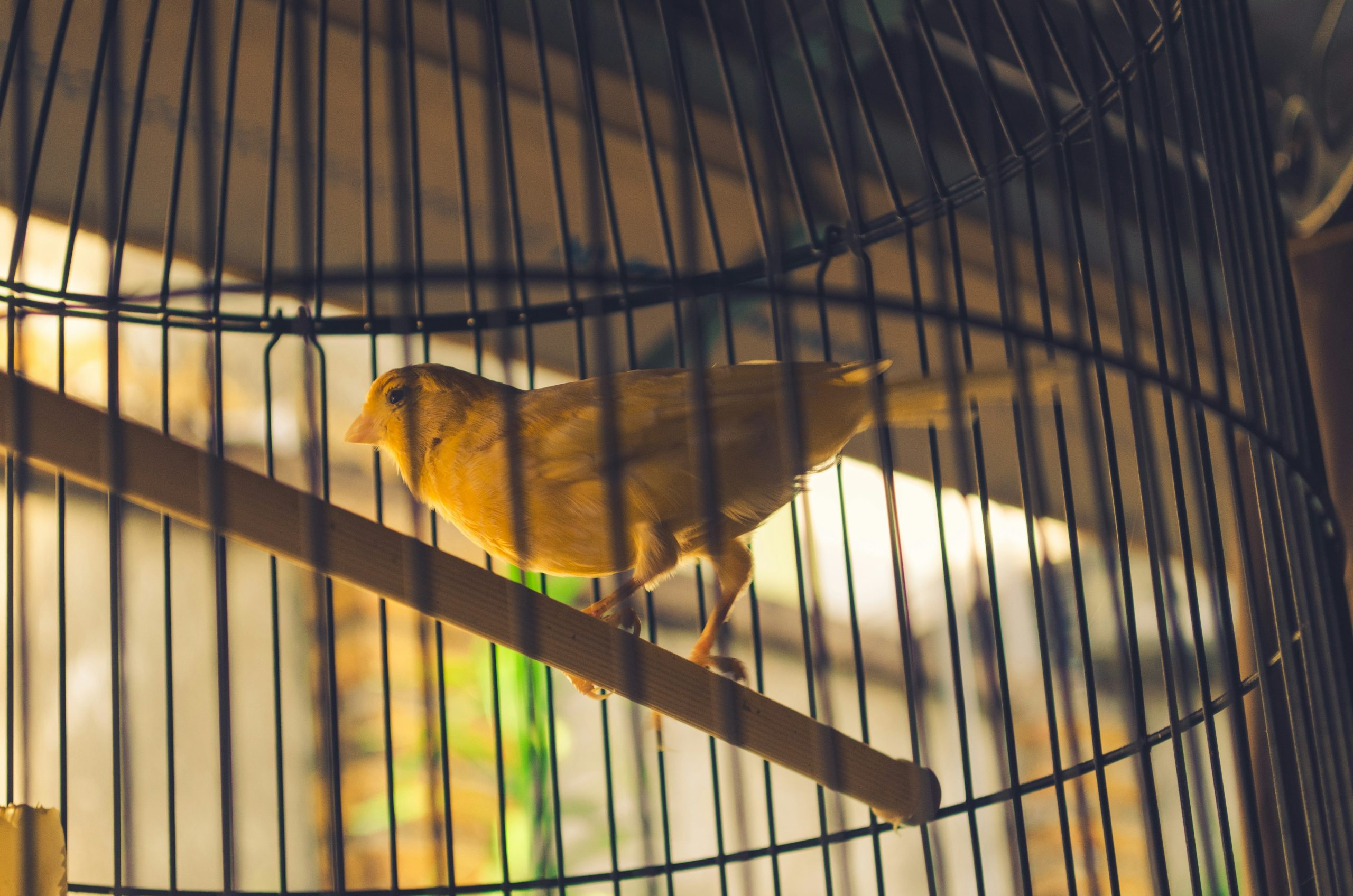
Small adjustments—like moving the cage to a sunnier corner or setting a steady light schedule—can make a real difference if you've been wondering why is my canary not singing despite appearing healthy.
How to Encourage a Canary to Sing Again
If your canary is healthy but quiet, patience and good care usually do the trick. Here's how to get a canary to sing again:
- Reduce stress by keeping the environment calm and predictable
- Improve the daily routine with consistent feeding, light, and rest times
- Support molt recovery with a protein-rich diet if the bird is molting
- Optimize the diet with fresh greens, quality seed, and clean water daily
- Ensure proper rest with 10–12 hours of uninterrupted darkness
- Follow a natural daylight rhythm to align with the bird's instincts
- Avoid forced stimulation—don't blast recordings or crowd the cage
- Give the bird time, especially after a move or during a molt
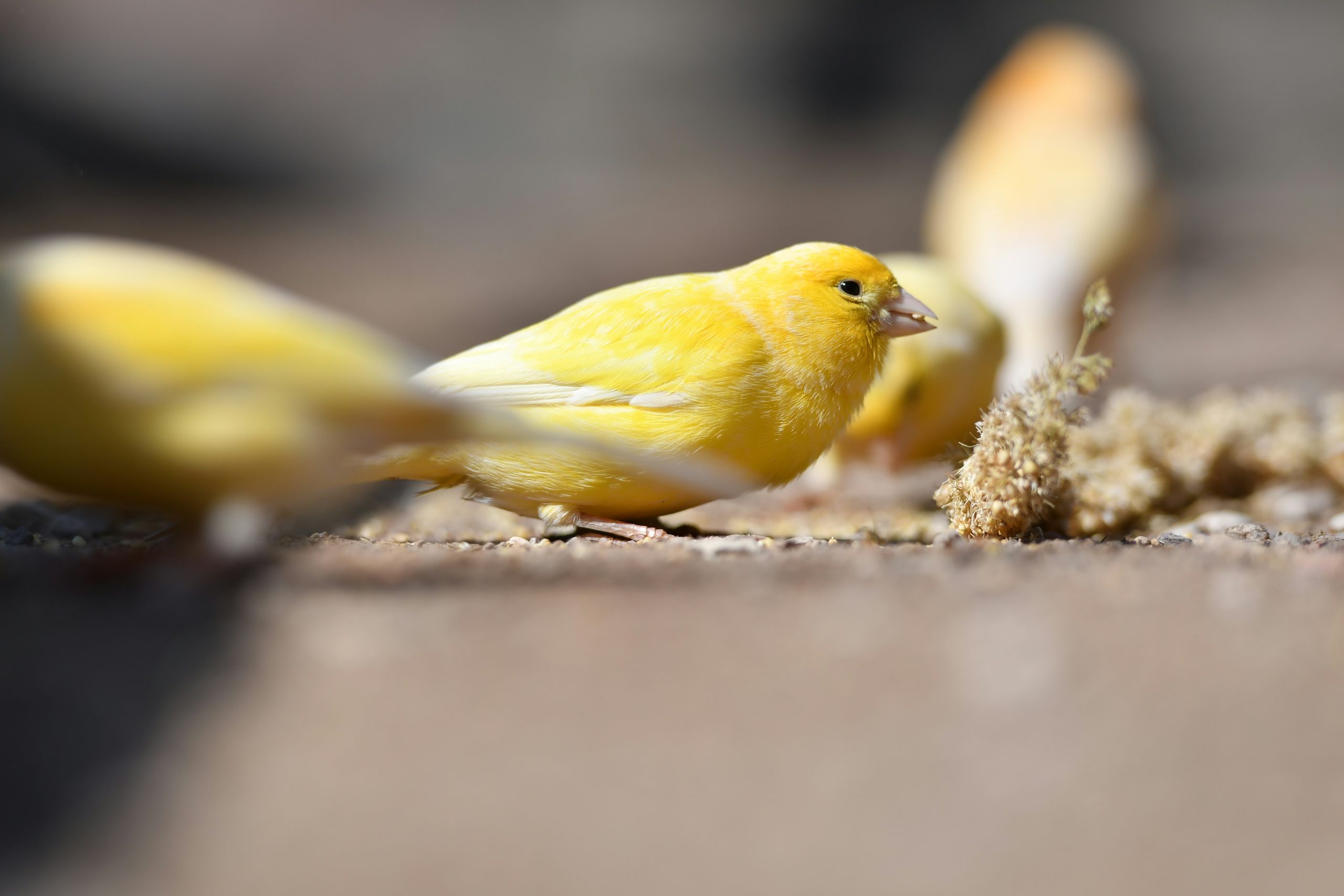
Some owners play recordings of other canaries or gentle music to inspire song. This can help, but use it sparingly. Never force a bird to sing—patience works far better than pressure. The goal is to remove the reasons why is my canary not singing, not to push the bird into performing.
Common Mistakes Canary Owners Make
Many silent-canary worries come down to avoidable errors. If you're repeatedly asking why is my canary not singing, one of these missteps may be the cause:
- Expecting immediate singing from a new bird before it has settled in
- Assuming all canaries sing when the bird may be female
- Disturbing the bird too often with handling or noise
- Ignoring molt and worrying instead of supporting recovery
- Overlooking early signs of illness
- Placing the cage poorly, in a drafty or high-traffic spot
- Confusing chirping with full singing and expecting more than the bird offers
Avoiding these missteps goes a long way toward a happy, vocal canary.
When Should You Worry If Your Canary Is Not Singing?
Judge the situation by the whole picture, not the silence alone. Behavior, appetite, and energy tell you far more than song does.
Silence is likely normal if your canary:
- Still eats and drinks well
- Moves around and stays active
- Looks bright, alert, and sleek
- Is molting or adjusting to a new home
Silence becomes concerning if your canary:
- Sits fluffed up for long stretches
- Stops eating or drinking
- Shows breathing trouble
- Loses weight or looks weak
- Sleeps excessively during the day
When silence combines with any of these symptoms, contact an avian vet promptly. A bird that stops eating or shows labored breathing needs urgent attention—don't wait it out.
Frequently Asked Questions
Why is my canary not singing anymore?
The most common reasons are molting, stress, seasonal changes, or the bird being female. If your canary is otherwise active and eating well, the silence is likely temporary. If it appears fluffed, weak, or off its food, consult an avian vet.
Do female canaries sing?
Female canaries can chirp and produce short bursts of sound, but they rarely develop the long, elaborate songs that male canaries are known for. If your bird has never truly sung, it may simply be female.
Do canaries stop singing when molting?
Yes. Molting is the most common reason a canary goes quiet. The bird redirects its energy toward growing new feathers, and singing usually resumes once the molt is complete.
How long does it take for a canary to sing again?
It depends on the cause. After a molt, singing often returns within a few weeks to two months. After a stressful move, a bird may need one to two weeks to settle before singing again.
Can stress make a canary stop singing?
Absolutely. Stress from a new home, loud noise, other pets, or too much handling can silence a canary quickly. Song often returns once the bird feels safe and settled.
Should I take my canary to the vet if it stops singing?
Silence alone isn't usually an emergency. But if it comes with fluffed feathers, low energy, poor appetite, or breathing changes, see an avian vet promptly. These signs can point to illness.
How do I encourage a canary to sing again?
Keep the environment calm, maintain a steady daily routine, offer a healthy diet, and provide 10–12 hours of daylight and rest. Give the bird time and avoid forcing song.
Final Thoughts
A quiet canary isn't always a cause for concern. More often than not, when you find yourself asking why is my canary not singing, your bird is molting, adjusting to change, following the seasons, or simply being itself. These quiet phases are a normal part of life with a canary.
The key is context. Start by checking the whole picture—appetite, energy, posture, and recent changes at home. A healthy, active canary that's briefly quiet needs patience—not panic. A silent bird that's fluffed, weak, or off its food needs a vet.
Give your canary a calm home, a steady routine, and a good diet, and its song will usually return in time. When in doubt, trust what your bird's overall behavior is telling you. The answer to why is my canary not singing is almost always something you can identify and address.
Keep Your Canary Happy and Healthy
For more bird care guides, feeding tips, health advice, and species profiles, explore the rest of PetStory.org's Bird Guides.
About the Author
Irfan Hyder is a pet content writer at PetStory.org, where he creates practical, well-researched guides for everyday pet owners. He's passionate about helping people better understand and care for their animal companions.