
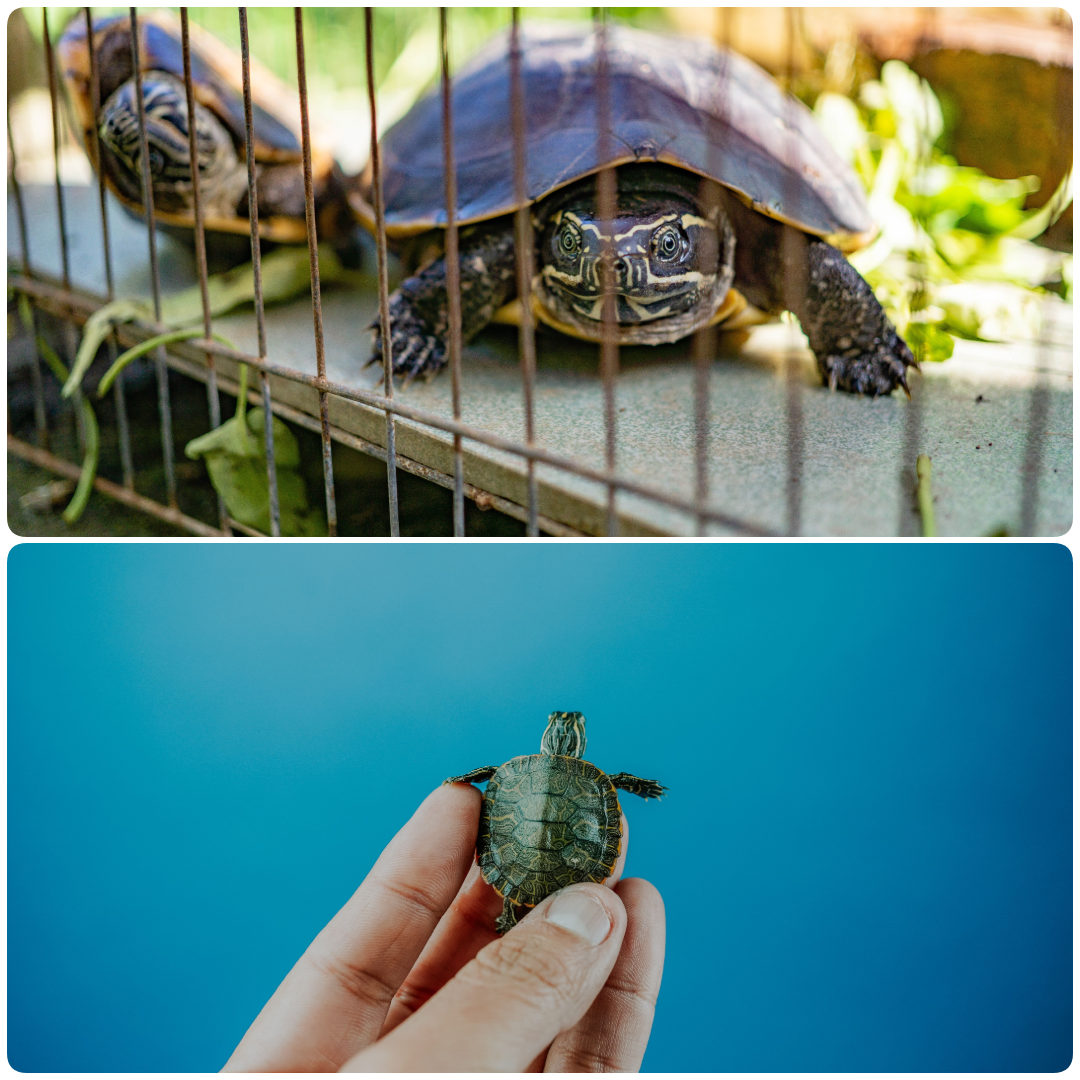
Picture this: You are standing in a pet store, looking at a plastic enclosure filled with silver-dollar-sized green turtles. They paddle frantically at the glass, looking impossibly cute. It is tempting to buy one on the spot, set up a small aquarium on your desk, and call it a day. But before you bring that tiny reptile home, there is a massive question you need to ask. Exactly how long do pet turtles live?
If you're still deciding whether an aquatic swimmer or a land dweller is right for you, check out our full Turtle vs. Tortoise: Which Pet is Right for You? guide. Whether you choose a turtle or a tortoise, you are signing up for a companion that might easily outlive the family dog—and in some cases, might even outlive you. This long-term commitment brings us right back to the core question: how long do pet turtles live in a typical home environment?
Understanding how long do pet turtles live is the most important part of responsible reptile ownership. Many people buy these animals expecting a five-year commitment, only to realize decades later that their turtle is still going strong. Let's break it down so you know exactly what to expect.
In this article, you'll learn:
- The specific lifespans of the most popular pet turtle and tortoise species.
- The four critical care factors that determine exactly how long do pet turtles live in captivity.
- How to plan for the future if your shelled companion outlives you.
Table of Contents
- What a "Long Lifespan" Really Means for Reptile Owners
- Pet Turtle & Tortoise Lifespan Comparison
- Lifespan by Species: A Detailed Breakdown
- 4 Factors That Directly Affect Their Lifespan
- What If You Can't Keep Them Forever?
- Safety Facts: Risks Every Turtle Parent Should Know
- Common Mistakes to Avoid
- Safety & Warning Signs
- When to See an Exotic Vet
- Your Quick Checklist
- Frequently Asked Questions
What a "Long Lifespan" Really Means for Reptile Owners
When someone asks how long do pet turtles live, they often expect a number comparable to a golden retriever or a tabby cat. A 10 to 15-year commitment is what most pet parents are used to. Turtles operate on an entirely different timeline.
Owning a turtle means listening to the constant hum of a canister filter for the next 30 years. It means buying fresh greens every single week, upgrading to massive 100-gallon tanks, and changing heavy, wet substrate long after your kids have gone to college. It is incredibly rewarding to watch an animal grow from the size of a coin to the size of a dinner plate, but it is also a relentless marathon of husbandry.
The pet turtle lifespan is notoriously long because their slow metabolisms and protective shells have evolved to prioritize longevity over rapid reproduction. If you take good care of them and optimize their environment, the question of how long do pet turtles live becomes less of a mystery and more of a lifelong friendship. They simply do not age the way mammals do.
Pet Turtle & Tortoise Lifespan Comparison
To give you a clear picture of how long do pet turtles live compared to tortoises, here is a breakdown of the most commonly kept species.
| Species | Type | Average Lifespan | Adult Size | Care Difficulty | Primary Diet |
|---|---|---|---|---|---|
| Red-Eared Slider | Aquatic Turtle | 20 - 40 Years | 8 - 12 inches | Intermediate | Omnivore |
| Box Turtle | Semi-Aquatic | 30 - 50+ Years | 4 - 6 inches | Intermediate | Omnivore |
| Painted Turtle | Aquatic Turtle | 25 - 30 Years | 5 - 10 inches | Beginner/Int. | Omnivore |
| Musk Turtle | Aquatic Turtle | 30 - 50 Years | 3 - 5 inches | Beginner | Carnivore |
| Russian Tortoise | Land Tortoise | 40 - 50+ Years | 6 - 10 inches | Beginner | Herbivore |
| Sulcata Tortoise | Land Tortoise | 70 - 100+ Years | 24 - 30 inches | Advanced | Herbivore |
| Hermann's Tortoise | Land Tortoise | 50 - 75+ Years | 5 - 8 inches | Intermediate | Herbivore |
Lifespan by Species: A Detailed Breakdown
It is impossible to answer how long do pet turtles live with a single number. The exact species dictates everything from their diet to how many decades they will share your home.
Red-Eared Sliders (20 to 40 Years)
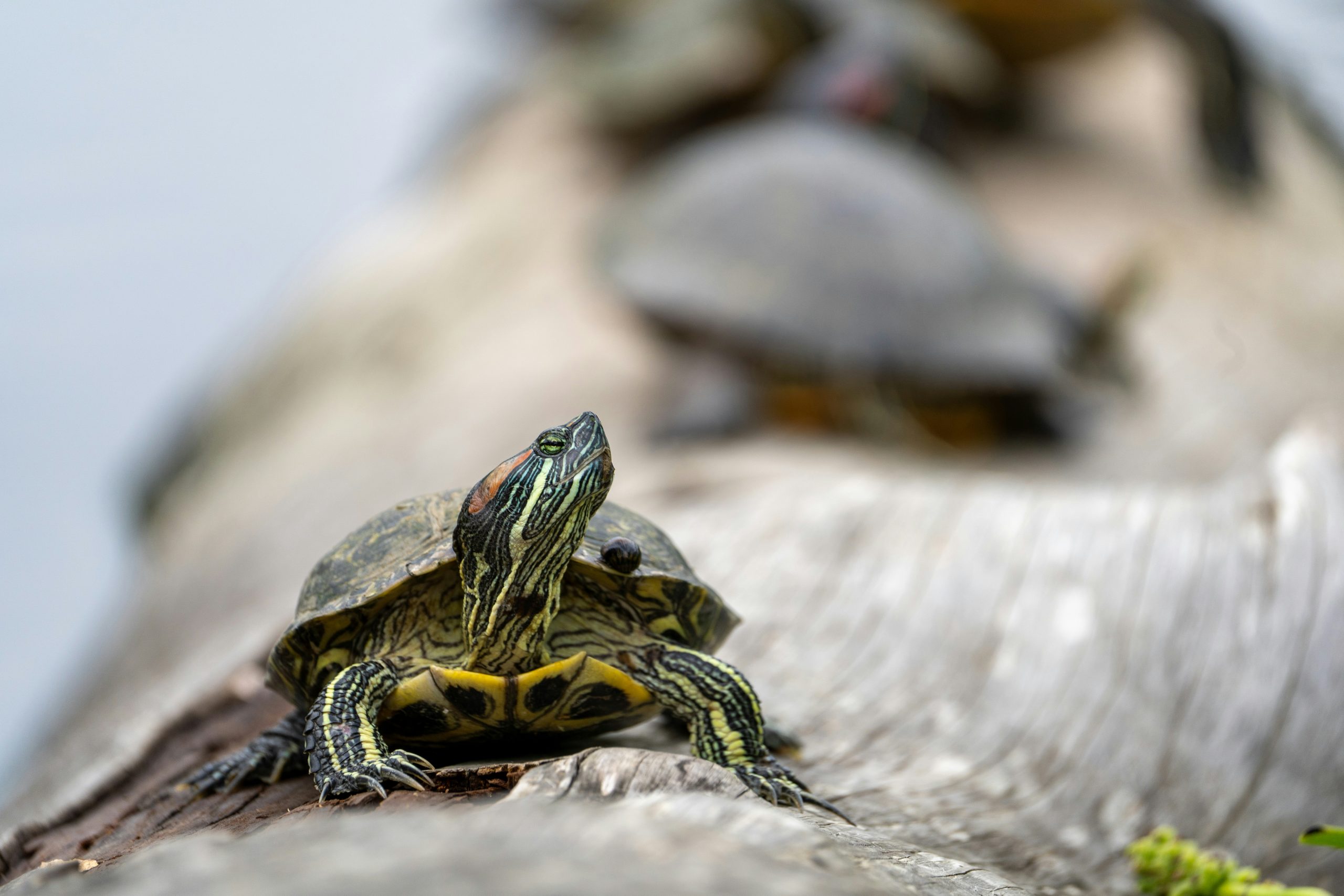
The red-eared slider lifespan often shocks new owners. These are the most common turtles found in pet stores, but they grow rapidly and require massive filtration systems to handle their waste. A healthy slider will easily live 30 years, splashing off its basking dock to greet you every morning, which is a perfect benchmark for how long do pet turtles live in a standard aquatic setup.
Box Turtles (30 to 50+ Years)
If you are wondering how long do pet turtles live when they are terrestrial, the box turtle lifespan is a perfect example. These land-dwelling turtles require high humidity, a varied diet of insects and dark leafy greens, and plenty of space to burrow. It is not uncommon for a box turtle to hit the half-century mark if kept in a well-maintained outdoor enclosure.
Painted Turtles (25 to 30 Years)
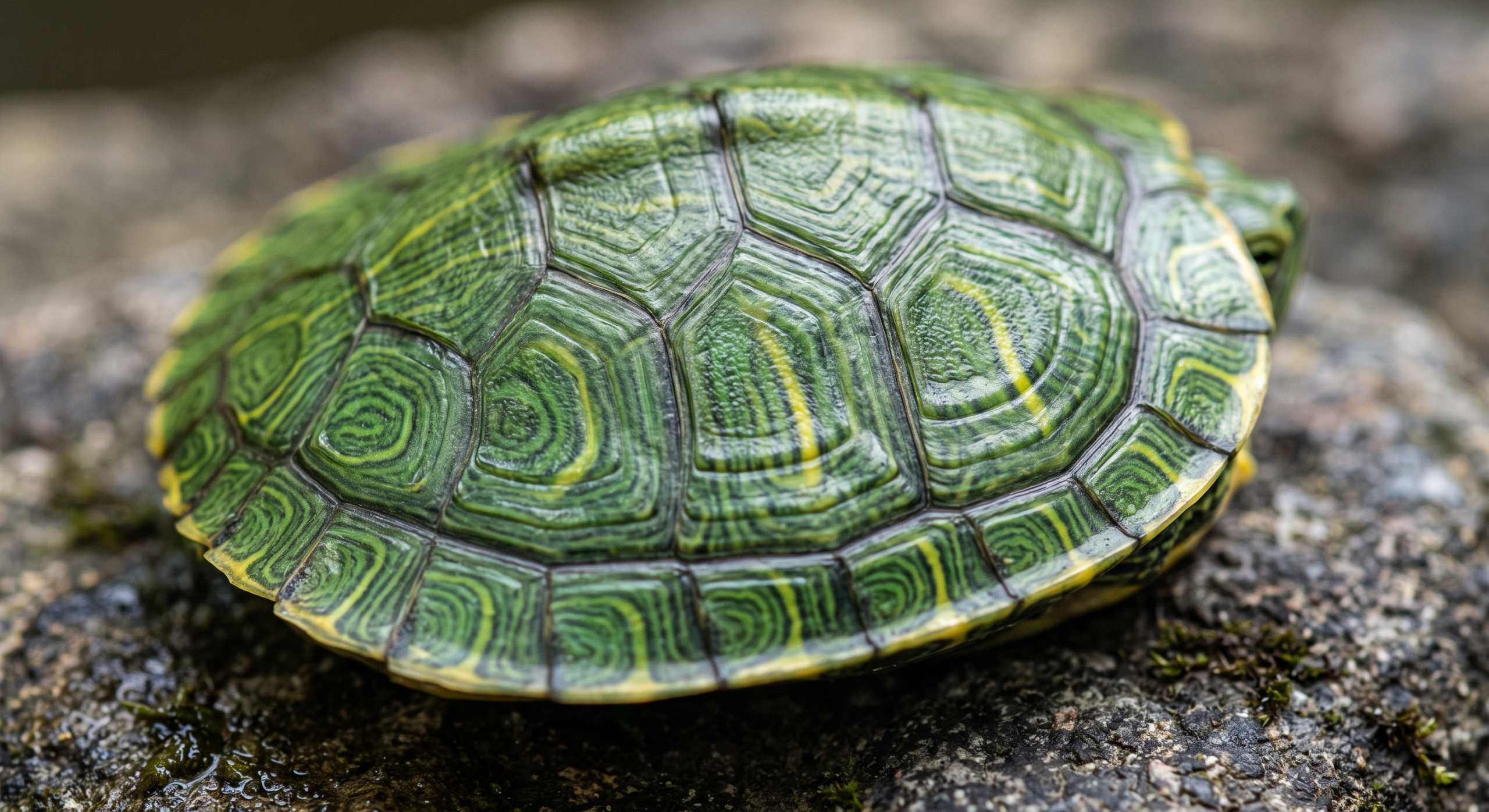
Painted turtles are slightly smaller than sliders and boast beautiful red and yellow markings along their shells. When many people ask how long do pet turtles live, they are surprised to learn that a 30-year-old painted turtle is very common in captivity. They need pristine water quality to prevent shell rot.
Musk Turtles (30 to 50 Years)
Also known as "stinkpots," these small bottom-walkers are fantastic for owners with limited space, as they rarely exceed 5 inches. Despite their small size, the answer to how long do pet turtles live for this species is impressive—often reaching 50 years with excellent care.
Russian Tortoises (40 to 50+ Years)
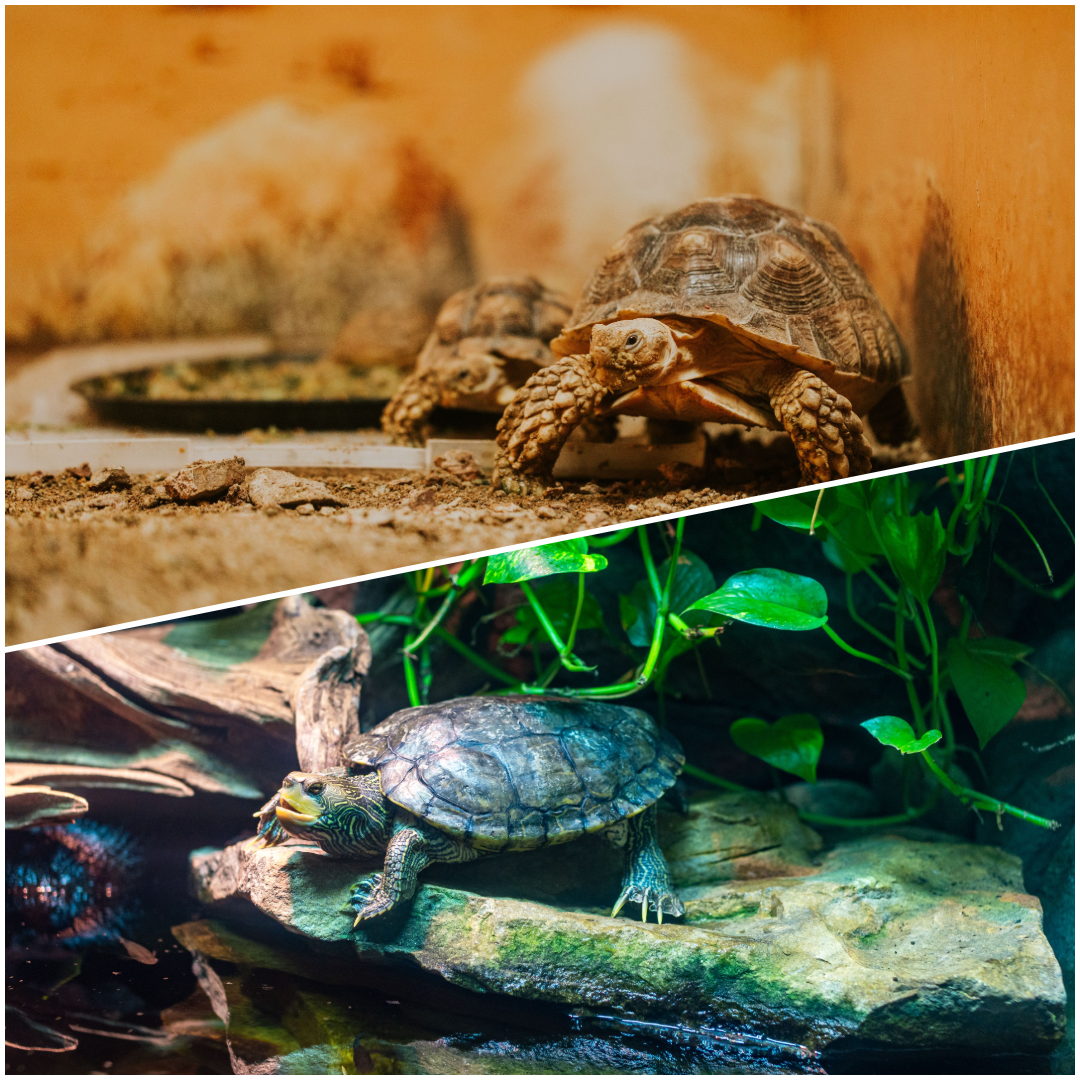
When shifting from turtles to tortoises, the timeline stretches even further. Russian tortoises are fantastic, sturdy beginner pets that stay relatively small. The tortoise lifespan for this species easily clears 40 years. They love to dig and require deep substrate to simulate their natural arid environments.
Sulcata Tortoises (70 to 100+ Years)
This is where things get serious. Sulcatas (African Spurred Tortoises) start the size of a golf ball and grow into 100-pound bulldozers that can live a century. If you buy a Sulcata, you are quite literally choosing a pet that your grandchildren might have to care for.
Hermann's Tortoises (50 to 75+ Years)
A beautiful Mediterranean species, Hermann's tortoises are incredibly active and personable. If you are researching how long do pet turtles live because you want a lifelong companion, these are a perfect choice. Like most tortoises, they outlive nearly all other household pets, requiring a strict herbivore diet rich in calcium and fiber to ensure their shells grow smoothly over those 75 years.
4 Factors That Directly Affect How Long Do Pet Turtles Live
Genetics play a role in how long do pet turtles live, but your daily care routine is the true deciding factor. The turtle care guide below covers the non-negotiables.
Diet & Nutrition
Aquatic turtles are usually omnivores that transition from a meat-heavy diet as juveniles to a plant-heavy diet as adults. Tortoises are generally strict herbivores (grazers). Feeding a turtle the wrong diet leads to organ failure. Specifically, calcium deficiency leads to Metabolic Bone Disease (MBD), which permanently deforms their carapace (upper shell) and plastron (belly shell).
Tank Size and Habitat Space
A turtle will not "grow to the size of its tank"—that is a dangerous myth. Cramping a 10-inch turtle in a 20-gallon tank stunts their growth, causes severe stress, and drastically reduces how long do pet turtles live. The golden rule is 10 gallons of water per inch of turtle shell.
Water Quality (For Aquatic Turtles)
Turtles produce massive amounts of waste. If they swim in dirty water, they develop bacterial infections, shell rot, and respiratory illnesses. When figuring out how long do pet turtles live, water quality is often the ultimate deciding factor. You need a canister filter rated for at least double the water volume of your tank to help a pet turtle live longer.
Lighting (UVB and Heat)
This is where most beginners fail. Turtles and tortoises are cold-blooded; they rely on a heat lamp to digest their food. More importantly, they require a specific UVB spectrum bulb to synthesize Vitamin D3, which allows them to absorb calcium. Without UVB, your turtle's shell will literally become soft and collapse, drastically shortening how long do pet turtles live.
What If You Can't Keep Them Forever? (Planning Ahead)
Because the answer to how long do pet turtles live is often "longer than their owners," you must plan ahead. Life changes—people move, kids grow up, and financial situations shift.
If you can no longer care for your reptile, you must look into specialized reptile rescues or dedicated exotic pet rehoming groups. Never, under any circumstances, release a pet turtle into a local pond or wild habitat. Captive-bred turtles lack the skills to survive, and releasing non-native species (like putting a red-eared slider in a local ecosystem) can decimate local wildlife. Releasing a pet turtle is essentially a death sentence and is illegal in most areas.
Safety Facts: Risks Every Turtle Parent Should Know
To maximize how long do pet turtles live, you have to protect them from household dangers.
- Household Pets: Dogs often view a turtle moving across the floor as a chew toy. A dog bite can easily crack a carapace, leading to fatal infections.
- Dropping Hazards: Turtles are squirmy. If dropped from waist height onto a hard floor, their shell can shatter. Always hold them low to the ground.
- Toxic Foods: Feeding tortoises iceberg lettuce offers zero nutrition, while feeding them high-oxalate greens (like spinach) binds calcium and harms their kidneys.
Common Mistakes to Avoid
When exploring how long do pet turtles live, it is crucial to avoid these classic pitfalls to ensure your pet reaches its full potential:
- Mistake: Buying a tiny glass tank for a Sulcata tortoise.
Better approach: Build a large, custom wooden tortoise table or a secure, predator-proof outdoor enclosure. - Mistake: Feeding only commercial turtle pellets.
Better approach: Use high-quality pellets as a base, but supplement heavily with fresh leafy greens (dandelion, turnip greens) and occasional live prey for aquatic turtles. - Mistake: Assuming sunlight through a window provides UVB.
Better approach: Glass blocks UVB rays. You must buy a dedicated reptile UVB bulb and replace it every 6 months, as the invisible UV output degrades over time.
Safety & Warning Signs
Understanding how long do pet turtles live means knowing how to spot trouble early. Keep an eye out for these markers:
- Swimming lopsided or floating sideways (a classic sign of respiratory infection).
- Swollen, puffy, or closed eyes (often Vitamin A deficiency or poor water quality).
- A soft, squishy shell in an adult turtle (advanced Metabolic Bone Disease).
- Open-mouth breathing or gasping for air.
When to See an Exotic Vet
A standard dog-and-cat veterinarian usually does not have the specialized training required to treat reptiles. If you want to maximize how long do pet turtles live, you must locate a qualified exotic vet in your area before an emergency happens.
If your turtle has a minor scratch, you can often monitor it at home by keeping the water impeccably clean. However, if your turtle stops eating for more than a few days, shows signs of a respiratory infection, or suffers a cracked shell from a fall, you need to call the exotic vet immediately. Reptiles hide illness incredibly well; by the time they look sick, they are usually in critical condition.
Your Quick Checklist
Save this checklist to ensure you are doing everything possible for your reptile's health. After all, how long do pet turtles live depends almost entirely on your daily routine:
- Invest in a tank that holds 10 gallons of water per inch of turtle shell.
- Buy an oversized canister filter to handle the massive bio-load.
- Provide a dry basking dock where the turtle can completely exit the water.
- Install both a heat lamp and a dedicated UVB bulb over the basking area.
- Replace the UVB bulb every 6 months, even if it still emits visible light.
- Offer a diet rich in dark leafy greens, not just commercial pellets.
- Locate a licensed exotic vet near you for annual check-ups.
Frequently Asked Questions
How long do pet turtles live in a tank?
If provided with an appropriately sized tank, excellent filtration, and proper UVB lighting, aquatic turtles like Red-Eared Sliders can live 20 to 40 years in a tank. When people ask how long do pet turtles live indoors, the key is ensuring the tank grows with the turtle; a cramped environment drastically reduces their lifespan.
What is the longest-living pet turtle or tortoise species?
Among commonly kept pets, the Sulcata tortoise (African Spurred Tortoise) is the longest-living, routinely exceeding 70 to 100 years. If you are asking how long do pet turtles live regarding aquatic species, the Box Turtle is one of the longest-lived, often surpassing 50 years.
Why do pet turtles die suddenly?
Turtles rarely die "suddenly" from natural causes; they are just excellent at hiding illness until it becomes fatal. The most common causes of unexpected death are severe respiratory infections from cold water, kidney failure from improper diets, or toxic shock from rapidly declining water quality.
How can I tell how old my pet turtle is?
It is very difficult to pinpoint a turtle's exact age unless you know when it hatched. Counting the rings (scutes) on a turtle's shell is a common myth and only indicates growth spurts, not years. Once a turtle reaches adult size, telling a 15-year-old turtle from a 30-year-old turtle is nearly impossible.
Do turtles recognize their owners?
Yes, turtles are quite intelligent and learn to recognize the faces and voices of their primary caretakers. While they may not feel "love" in the mammalian sense, they strongly associate their owners with food and safety, often swimming to the front of the glass to greet them.
The Bottom Line
If you started reading this article wondering how long do pet turtles live, you now know that bringing a reptile into your home is a decision that will shape the next several decades of your life. These are not throwaway pets, nor are they easy starter animals for children.
However, if you are prepared for the commitment, sharing your life with a creature that looks like a miniature dinosaur is an incredibly unique and rewarding experience. By providing the right diet, massive enclosures, and proper UVB lighting, you have the power to help your shelled friend live a long, healthy, and happy life.
Take the time to set up their habitat correctly from day one. When you understand exactly how long do pet turtles live and respect their needs, you aren't just buying a pet—you are welcoming a lifelong companion.
Explore More Reptile Care Tips
For more advice on keeping your cold-blooded friends healthy, check out our full range of Turtles & Tortoises Guides.
About the Author
Irfan Hyder is a dedicated pet care writer at PetStory.org, specializing in the husbandry and wellness of companion animals. He combines veterinary research with practical, hands-on experience to help pet parents create thriving environments for their reptiles, birds, and small animals.