
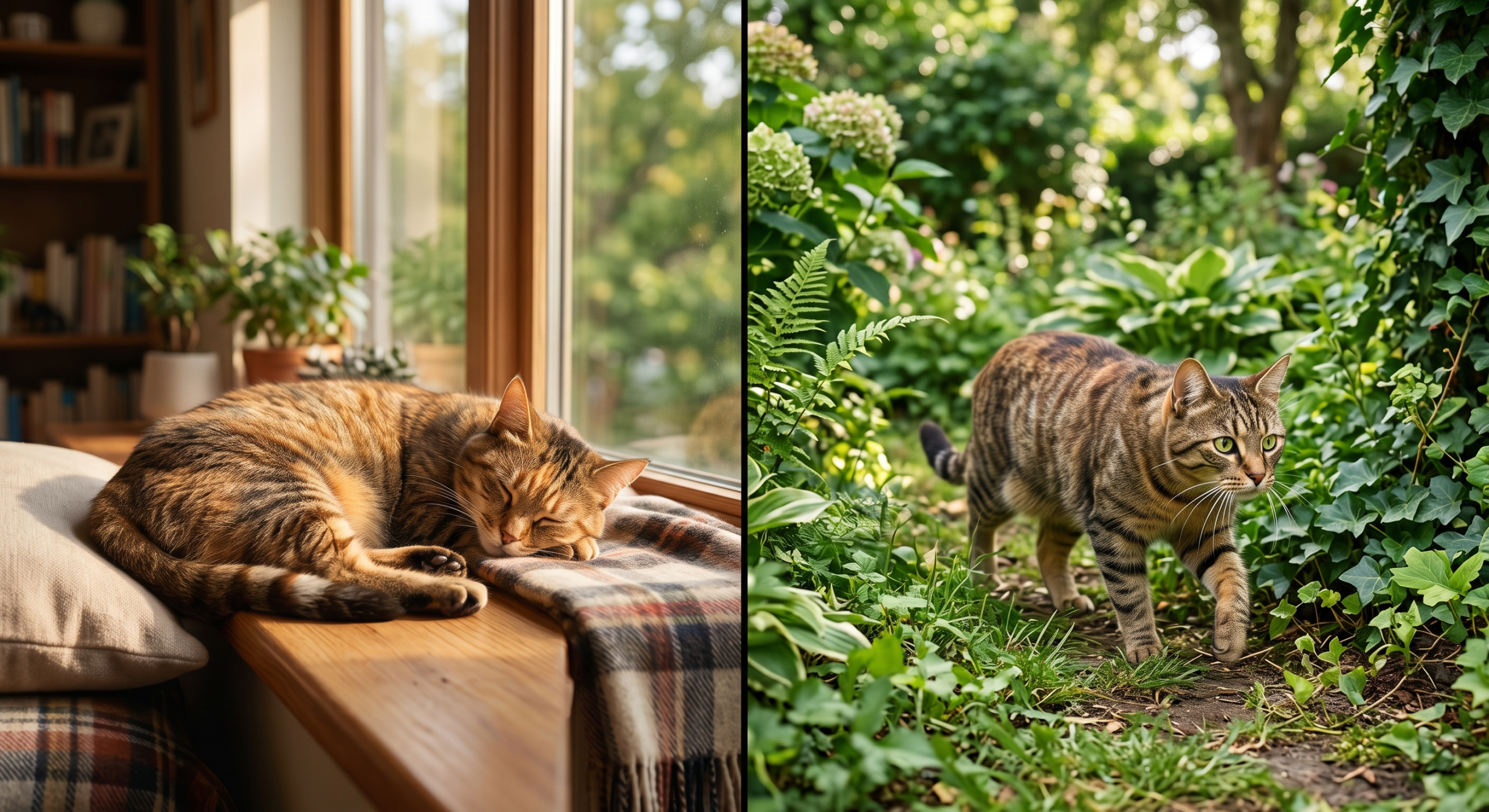
You brought home a cat, gave them a cozy bed, filled the food bowl — and now you're standing at the back door, one hand on the latch, wondering if you're doing the right thing. Should you let them out? Your cat watches the birds from the windowsill, tail flicking like a metronome, clearly plotting an escape. Meanwhile, the neighbor's cat struts across the fence without a care, and you start second-guessing everything about indoor vs outdoor cats.
It's one of the oldest debates in cat parenting, and here's the honest truth: there's no single answer that fits every cat. Both lifestyles come with real joys and real dangers, and the "right" choice depends as much on your street and your schedule as it does on your cat. That is why indoor vs outdoor cats remains such an important topic for cat owners.
That's exactly what this guide is here to sort out. We'll walk through the indoor vs outdoor cats question the way a good friend might — no lectures, no guilt, no judgment. Just clear facts about health, safety, and how lifestyle quietly shapes your cat's lifespan.
By the end, you'll feel far more confident about the indoor vs outdoor cats choice that fits your cat, your home, and your own peace of mind.
In this article, you'll learn:
- How indoor and outdoor lifestyles shape your cat's health and daily life
- The biggest safety risks each option carries
- Why lifespan differs so sharply, plus practical tips to help any cat thrive
Table of Contents
- 1. What "Indoor" and "Outdoor" Really Mean
- 2. Indoor vs Outdoor Cats: A Quick Comparison
- 3. Health Facts: Indoor vs Outdoor Cats
- 4. Safety Facts: Risks Every Cat Parent Should Know
- 5. Lifespan Facts: Do Indoor Cats Live Longer?
- 6. Practical Tips by Lifestyle
- 7. Common Mistakes to Avoid
- 8. Safety & Warning Signs
- 9. When to See a Vet
- 10. Your Quick Checklist
- 11. Frequently Asked Questions
- 12. The Bottom Line
1. What "Indoor" and "Outdoor" Really Mean
Before we compare a single thing, let's get clear on what these labels actually cover. They're far less black-and-white than they sound, which is one reason the indoor vs outdoor cats discussion can feel so nuanced.
Fully indoor cats live entirely inside your home. They eat, sleep, play, and use the litter box within four walls, with no unsupervised outdoor access at all. Their whole world is your house — which means the quality of that world carries enormous weight.
Free-roaming outdoor cats come and go as they please. Some slip through a cat flap on their own schedule; others get let out at dawn and called home at dusk. They explore, hunt, and meet the world entirely on their own terms — for better and for worse.
Then there's the middle ground, and it's growing fast. This includes catios (enclosed outdoor patios built just for cats), leash walks with a properly fitted harness, and supervised outdoor time in a secure yard. These setups let your cat sniff the grass and feel the breeze without signing up for the full menu of outdoor cat risks. For many families, this is the most balanced answer to indoor vs outdoor cats.
2. Indoor vs Outdoor Cats: A Quick Comparison
Want the fast version before we dig into the details? This table lays out how the indoor vs outdoor cats comparison stacks up across the factors that matter most to your cat's wellbeing.
| Factor | Indoor Cats | Outdoor Cats |
|---|---|---|
| Average lifespan | 12–18 years, often longer | 2–5 years on average |
| Safety from traffic/predators | Very high | Low — cars, dogs, and wildlife are real threats |
| Disease & parasite exposure | Low | High — fleas, ticks, worms, and infectious disease |
| Physical activity | Depends on enrichment | Naturally higher |
| Mental stimulation | Needs owner effort | Naturally higher |
| Owner effort needed | More daily play and enrichment | Less daily effort, more worry and vet costs |
Notice how neither column is all wins. Indoor cats trade a little natural stimulation for safety and extra years. Outdoor cats gain freedom but quietly pay for it in risk. That trade-off is at the heart of indoor vs outdoor cats, and it's worth thinking through carefully.
3. Health Facts: Indoor vs Outdoor Cats
Lifestyle shapes your cat's health in ways that aren't always obvious from the outside. Here's what tends to unfold on each side of the fence in the indoor vs outdoor cats comparison.
Disease and Parasites
Outdoor cats run into a lot they simply can't dodge. Fleas, ticks, ear mites, and intestinal worms come with the territory when a cat roams freely. Worse, they can catch serious infectious diseases from other cats — conditions like feline leukemia and feline immunodeficiency virus, which often spread through bites, shared food, and turf disputes.
Indoor cats sidestep nearly all of this. They still need parasite prevention, since fleas are perfectly capable of hitching a ride inside on your clothes or another pet, but their overall exposure is dramatically lower. In indoor vs outdoor cats terms, this is one of the clearest differences.
Weight and Fitness
Now for the flip side. Indoor cats simply move less, which makes them more prone to creeping weight gain. And an overweight cat faces a whole cascade of its own problems, from aching joints to diabetes. Outdoor cats, by contrast, tend to stay lean for one simple reason — they're always walking, climbing, stalking, and hunting.
The good news? A little intention closes that gap almost entirely. A couple of daily play sessions and a few well-placed climbing spots keep indoor cats fit, trim, and satisfied. This is an important part of the indoor vs outdoor cats picture that many owners overlook.
Boredom and Enrichment
Cats are curious little hunters at their core. Without something to chase, pounce on, or investigate, an indoor cat can grow bored — and boredom has a way of surfacing as overgrooming, low-grade stress, or shredded furniture. This isn't a reason to open the door and send them outside. It's a nudge to make their indoor world genuinely interesting. We'll cover exactly how to do that in a moment, especially for people deciding between indoor vs outdoor cats.
4. Safety Facts: Risks Every Cat Parent Should Know
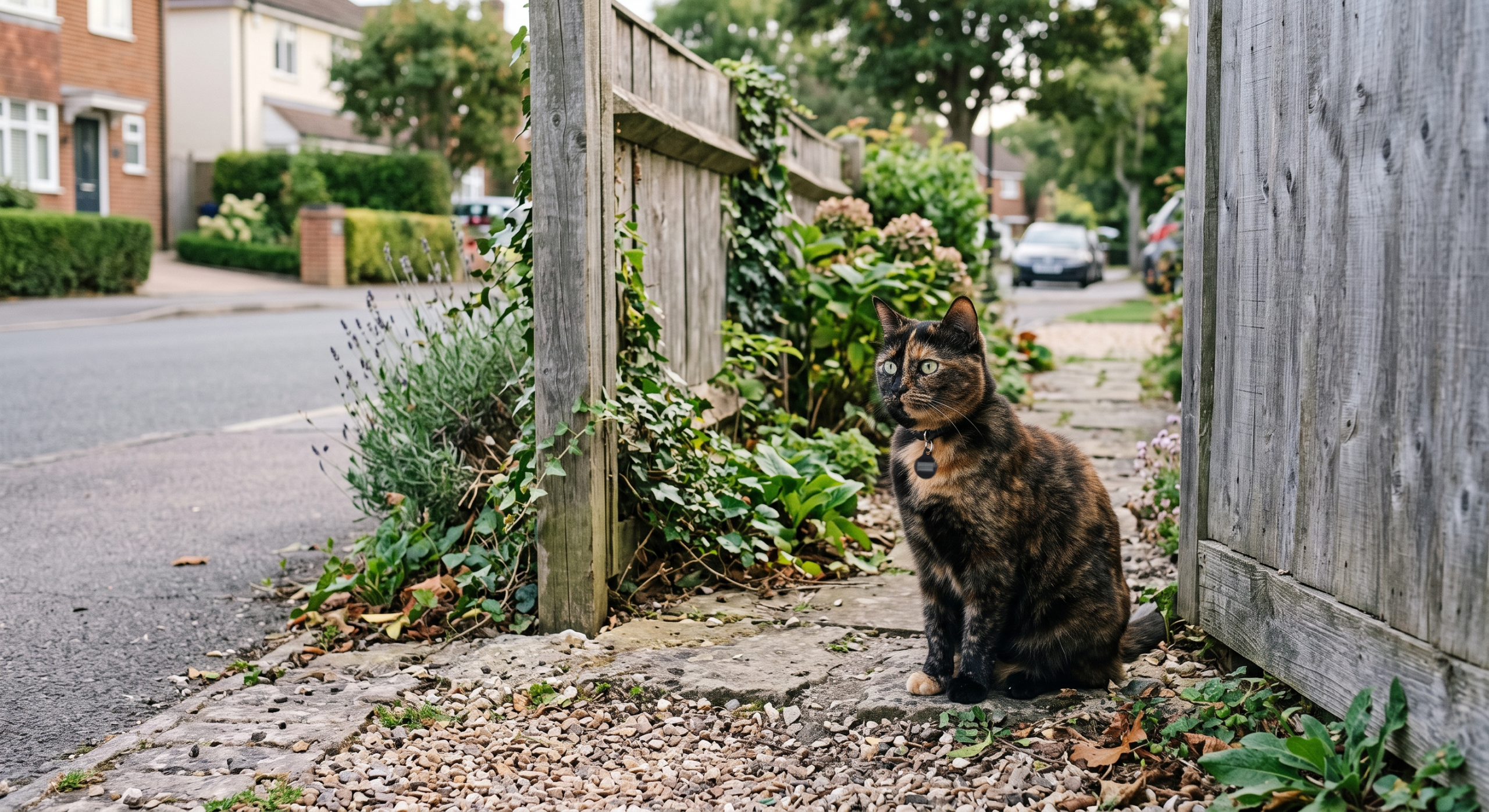
This is where the indoor vs outdoor cat safety conversation turns serious. The outdoors is beautiful and endlessly interesting to a cat — but it's also completely unpredictable. Here are the main dangers your cat faces the moment they step past the door.
- Traffic. Cars are the leading cause of injury and death for outdoor cats. Even a sleepy side street carries risk, because cats simply don't read roads the way we do.
- Predators and other animals. Depending on where you live, dogs, coyotes, and even birds of prey can pose a genuine threat to a roaming cat.
- Cat fights. Territory squabbles lead to bite wounds and painful abscesses, which often mean costly vet visits and a fresh route for disease to spread.
- Poisoning and toxins. Antifreeze, rat bait, pesticides, and toxic garden plants are all out there in the open. Cats are curious by nature, and out here, curiosity can turn dangerous fast.
- Getting lost or trapped. A startled cat can bolt and lose its bearings, or wander into a shed, garage, or drainpipe and find itself stuck.
One safety step matters no matter which lifestyle you land on: microchipping. A microchip paired with a collar and clear ID tag gives your cat the best possible chance of finding its way home if it ever goes missing. It's a small, one-time step that can change everything on the worst kind of day. In any indoor vs outdoor cats decision, prevention matters just as much as preference.
5. Lifespan Facts: Do Indoor Cats Live Longer?
Let's talk about the number that tends to stop cat parents in their tracks. The indoor cat lifespan is often significantly longer than an outdoor cat's — in many cases, more than double. That fact alone shapes a lot of the indoor vs outdoor cats debate.
Plenty of indoor cats live 12 to 18 years, and some sail comfortably past that milestone. Outdoor cats, sadly, average far fewer years, largely because of the very risks we just walked through. Traffic, disease, and injury have a way of catching up with cats who roam without limits.
This doesn't mean an outdoor cat is doomed, and it certainly doesn't mean an indoor cat automatically thrives. A bored, inactive indoor cat can develop real health issues of its own. The point is simpler than it sounds: a safe environment removes many of the threats that cut a cat's life short before its time. That's the real meaning behind indoor vs outdoor cats lifespan differences.
6. Practical Tips by Lifestyle
Whichever path you choose, small daily habits do the heavy lifting. Here's how to give your cat the very best version of their chosen lifestyle while making the indoor vs outdoor cats choice work well in real life.
If Your Cat Lives Indoors
Keeping cats indoors works beautifully — as long as you keep their world rich, active, and full of things to do.
- Play every single day. Two short sessions with a wand toy or laser pointer satisfy that deep hunting instinct.
- Go vertical. Cat trees, wall shelves, and window perches offer height, exercise, and a front-row seat to the outside world.
- Feed their brains. Puzzle feeders and a rotating toy collection keep boredom firmly at bay.
- Watch the waistline. Measure meals and monitor weight so all those little treats don't quietly add up.
- Keep a rhythm. A predictable routine of play, meals, and rest helps your cat feel calm and secure.
If Your Cat Goes Outdoors
If you've decided free roaming genuinely suits your cat and your neighborhood, your job is to shrink the risks wherever you can. This is one of the biggest realities behind indoor vs outdoor cats safety.
- Microchip and use a breakaway collar with a clearly readable ID tag.
- Stay current on vaccines and parasite prevention — for outdoor cats, this isn't optional.
- Bring your cat in at night, when traffic and predator risks tend to climb.
- Do regular health checks for wounds, limping, ticks, or subtle shifts in behavior.
- Know your neighborhood. Busy roads or a strong predator presence may mean outdoor access simply isn't safe.
If You Want a Middle Ground
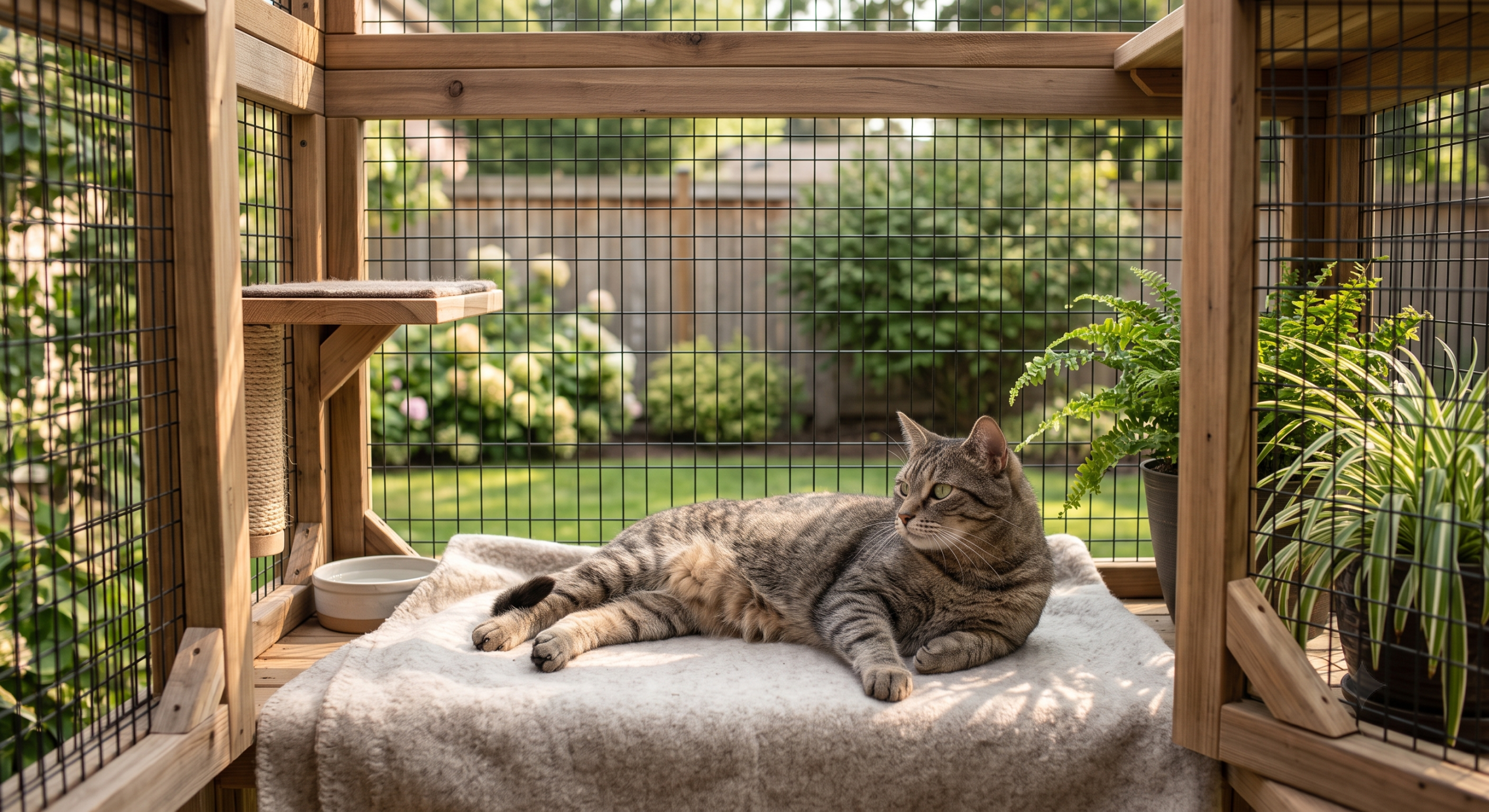
This is where a great many cat parents happily land, and it's easy to see why. You get the fresh air and stimulation of the outdoors without the scariest risks that come attached. For many homes, this is the smartest middle answer to indoor vs outdoor cats.
- Build or buy a catio. These enclosed spaces let your cat lounge, watch, and doze outside in total safety.
- Try leash training. With a proper harness and a good dose of patience, plenty of cats grow to love a supervised walk.
- Fence or secure a yard. Cat-proof fencing keeps your cat safely in and unwanted visitors firmly out.
- Offer supervised outdoor time rather than letting your cat roam free and unwatched.
Supervised outdoor time really is a genuine win-win — your cat gets to explore, and you get to stay in control of the whole experience. In many indoor vs outdoor cats situations, this balance feels just right.
7. Common Mistakes to Avoid
We've all fumbled a thing or two as pet parents. Here are the missteps worth catching early, before they turn into bigger problems in the indoor vs outdoor cats journey.
- Assuming indoor cats don't need stimulation. Better approach: Build daily play and climbing into their routine. An enriched indoor cat is a genuinely happy one.
- Letting a cat roam without ID or a microchip. Better approach: Always fit permanent identification before any outdoor access at all.
- Skipping vet care for outdoor cats. Better approach: Stay on top of checkups, vaccines, and parasite control — outdoor cats need them the most.
- Forcing a sudden lifestyle switch. Better approach: Transition slowly, with patience and plenty of fresh enrichment to smooth the change.
8. Safety & Warning Signs
Keep this quick reference close for spotting what's healthy and what needs a closer look, especially if you're still weighing indoor vs outdoor cats for your own pet.
- ✅ Safe:
- Indoor life with enrichment, climbing space, and daily play
- Supervised outdoor time in a catio, secure yard, or on a leash
- Up-to-date microchip, ID tag, vaccines, and parasite prevention
- Routine vet checkups
- ⚠️ Unsafe:
- Free roaming near busy roads or areas with active predators
- Outdoor access without vaccines or flea, tick, and worm prevention
- Leaving an indoor cat bored and inactive for long stretches
- Ignoring repeated fights, injuries, or escape attempts
🚩 Warning signs that need attention:
- Sudden limping, wounds, or swelling
- Steady weight gain or unusual sluggishness in indoor cats
- Constant scratching, visible fleas, or skin trouble
- Hiding, appetite changes, or stress-driven behavior
- Repeated escape attempts paired with frustration or destruction
9. When to See a Vet
Most days, good home care is more than enough. But some situations call for a professional, and knowing where that line sits keeps your cat safe without leaving you on edge.
Call your vet if your cat has wounds, limping, vomiting, diarrhea, or sudden lethargy — especially after time spent outdoors. These can point to an injury or infection that needs quick attention.
Reach out, too, if your indoor cat starts showing boredom-linked signs like overgrooming, visible stress, or that slow, creeping weight gain. And if you're planning a big lifestyle change, your vet can guide a safe, low-stress transition. Asking early always beats waiting and worrying, especially with indoor vs outdoor cats transitions.
10. Your Quick Checklist
Save this list and run through it whenever you're rethinking your cat's routine and trying to make the best indoor vs outdoor cats choice.
- ☐ Choose the lifestyle that fits your cat's temperament and your environment
- ☐ Microchip your cat and keep ID tags updated
- ☐ Make indoor life active with play, climbing, and puzzle feeders
- ☐ Stay current on vaccines and parasite prevention
- ☐ Consider a catio or supervised outdoor time for a safer balance
- ☐ Do regular home health checks for wounds, weight, and behavior
- ☐ Schedule routine vet visits
11. Frequently Asked Questions
Do indoor cats live longer than outdoor cats?
Yes. Indoor cats generally live much longer, often 12 to 18 years or more, while outdoor cats average far fewer years. The main reason is that indoor cats avoid dangers like traffic, predators, and infectious disease.
Are outdoor cats happier than indoor cats?
Not necessarily. Outdoor cats get more natural stimulation, but indoor cats can be just as content with enough play, climbing spaces, and attention. Happiness comes down to enrichment, not just location.
Is it cruel to keep a cat indoors?
No. Keeping cats indoors is not cruel as long as you provide mental stimulation, exercise, and a rich environment. Many indoor cats thrive with daily play, cat trees, and window views.
What is the safest way to let a cat enjoy the outdoors?
Supervised options are safest. A catio, a secure fenced yard, or leash walks let your cat experience the outdoors while avoiding traffic, predators, and disease. These middle-ground choices offer fresh air without the biggest risks.
Can an outdoor cat become an indoor cat?
Yes, many can adjust with time and patience. Ease the change gradually, add plenty of enrichment like toys and climbing spots, and keep a steady routine. Most cats settle in well with consistent, gentle effort.
12. The Bottom Line
The indoor vs outdoor cats question doesn't have one universal answer — it has the right answer for your cat. What truly matters is weighing safety, health, and quality of life honestly, then choosing the path that fits your home and your cat's personality.
If you lean toward keeping your cat inside, pour your energy into making that world rich and active. If outdoor access genuinely suits your situation, shrink the risks with microchips, vaccines, and smart daily routines. And if you find yourself somewhere in the middle, a catio or supervised outdoor time can hand you both freedom and peace of mind. In the end, the best indoor vs outdoor cats approach is the one that keeps your cat safest, healthiest, and happiest.
Ready for the Journey?
Small, steady habits add up to a longer, happier life for your cat. Take it one gentle step at a time — you've got this.
Disclaimer: This article is for informational purposes only and is not a substitute for professional veterinary advice. Always consult a licensed veterinarian about your pet's specific health needs.