
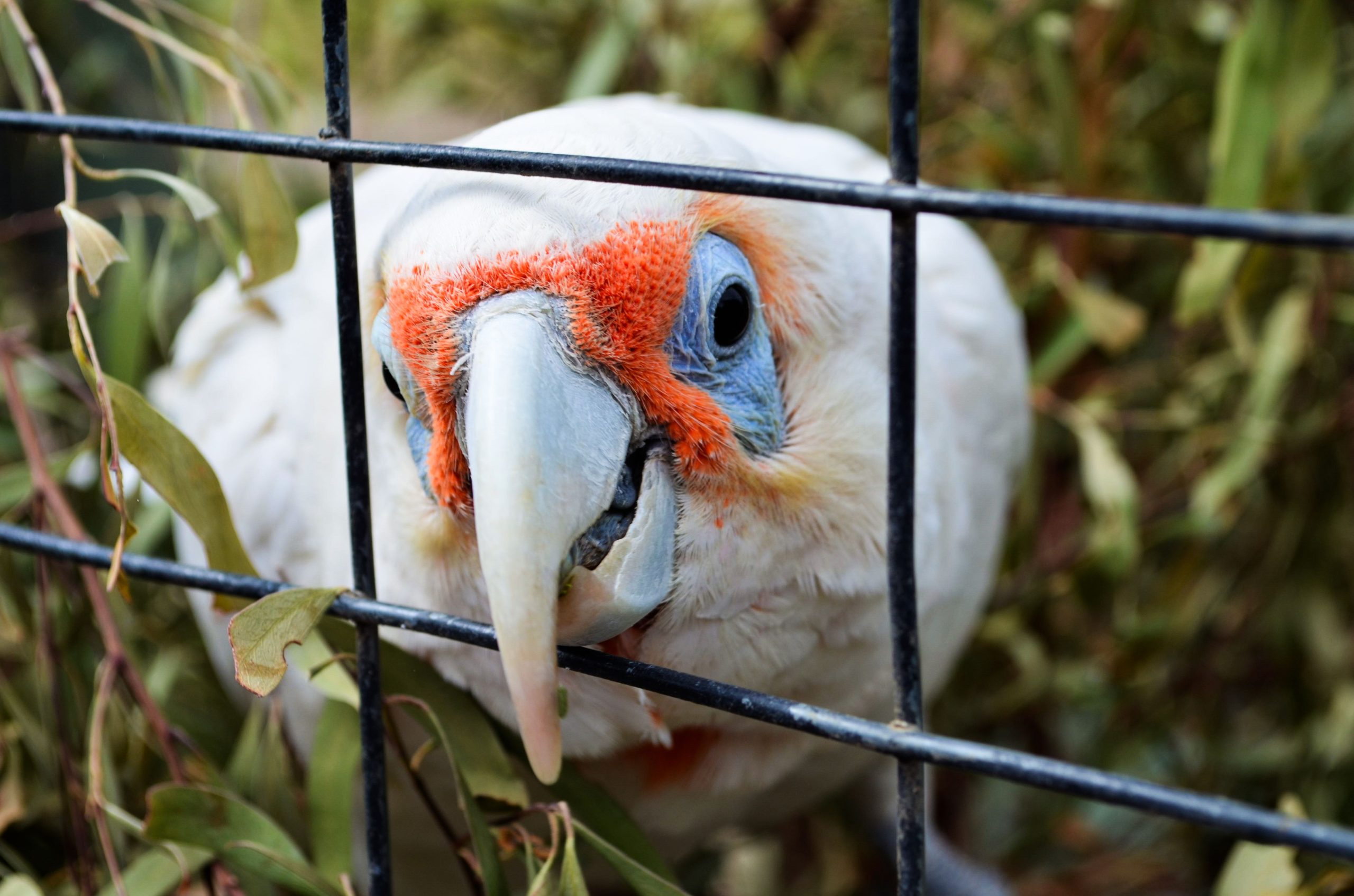
You reach into the cage to change the water dish, and out of nowhere, your bird lunges and clamps down on your finger. Ten minutes ago it was preening on your shoulder. Now you're standing there, hand throbbing, wondering what just happened — and whether this bird will ever trust you.
If that scene sounds familiar, you're not alone. When owners ask themselves, "why won't my bird stop biting?", they often feel like they are doing something fundamentally wrong. Biting is one of the most common frustrations bird owners bring to avian vets, trainers, and rescue groups. The good news is that biting almost always has a clear reason behind it, and once you understand what your bird is actually communicating, you can start turning things around.
This guide helps answer the question of why won't my bird stop biting, how to read the warning signs before it happens, and the training approaches that genuinely reduce biting over time — without punishment, fear, or guesswork.
In this article, you'll learn:
- The real reasons birds bite, and why punishment makes it worse
- How to spot the body language that comes before a bite
- Step-by-step training methods that build trust instead of fear
Table of Contents
- Why Won't My Bird Stop Biting? Understanding the Root Causes
- Common Triggers: Solving Why Won't My Bird Stop Biting
- Reading the Warning Signs Before a Bite
- Types of Biting and What Each One Means
- Training Fixes: How to Reduce and Stop Biting
- Practical Tips by Situation: Why Won't My Bird Stop Biting in Specific Scenarios?
- Common Mistakes to Avoid When Fixing Why Won't My Bird Stop Biting
- When to See a Vet or Avian Behaviorist
- Your Quick Checklist to Solve Why Won't My Bird Stop Biting
- Frequently Asked Questions About Why Won't My Bird Stop Biting
- The Bottom Line
Why Won't My Bird Stop Biting? Understanding the Root Causes
Here's the thing most new bird owners don't realize: biting isn't a personality flaw. It's a message. Birds don't have hands to push you away or a voice that says "please stop" in words you'd recognize, so the beak becomes the tool they reach for.
According to VCA Animal Hospitals, birds preparing to bite will often lean forward, lean away, or make an unhappy vocalization first — the warning is usually there if you know what to watch for.
A few root causes show up again and again:
- Fear. A sudden movement, a stranger, or an unfamiliar object near the cage can trigger a defensive bite before your bird even has time to think it through.
- Hormonal or territorial aggression. During breeding season, many birds become possessive of their cage, a favorite person, or even a specific spot in the house.
- Overstimulation. Birds get excited just like kids at a birthday party, and sometimes that excitement tips over into a nip because the bird simply doesn't know how to dial it back.
- Pain or illness. A bird that suddenly starts biting after months of being gentle is sometimes telling you something hurts.
- Learned behavior. If biting has ever made a hand disappear or gotten your full attention, your bird has learned it works — which is often the direct answer to why won't my bird stop biting once a habit forms.
Once you know which of these is driving the behavior, the fix looks completely different. Biting out of fear needs patience and space. Biting out of boredom needs enrichment. Biting from a learned pattern needs consistency more than anything else.
Common Triggers: Solving Why Won't My Bird Stop Biting
| Trigger | What It Looks Like | Root Cause | Best Response |
|---|---|---|---|
| Fear biting | Quick, sharp bite when startled or approached too fast | Perceived threat, lack of trust | Slow down, give space, rebuild trust gradually |
| Hormonal/territorial biting | Guarding cage, mate-like behavior toward a person, seasonal spikes | Breeding hormones, possessiveness | Reduce triggers (petting on the back, dark nesting spots), limit territory access |
| Overstimulation biting | Bird gets increasingly excited during play, then nips | Excess energy with no outlet | End play sessions before excitement peaks, redirect to a toy |
| "The bluff" (warning nip) | Light, controlled pressure — a warning, not a full bite | Communication before escalation | Respect the warning; back off calmly |
| Pain- or illness-related biting | Sudden change in a normally gentle bird, especially around handling | Underlying medical issue | Schedule an avian vet visit promptly |
Reading the Warning Signs Before a Bite
Most bites don't come out of nowhere. If you are constantly searching for why won't my bird stop biting, remember that your bird is almost always telling you first — you just have to know what to look for.
Body Language That Means "Back Off"
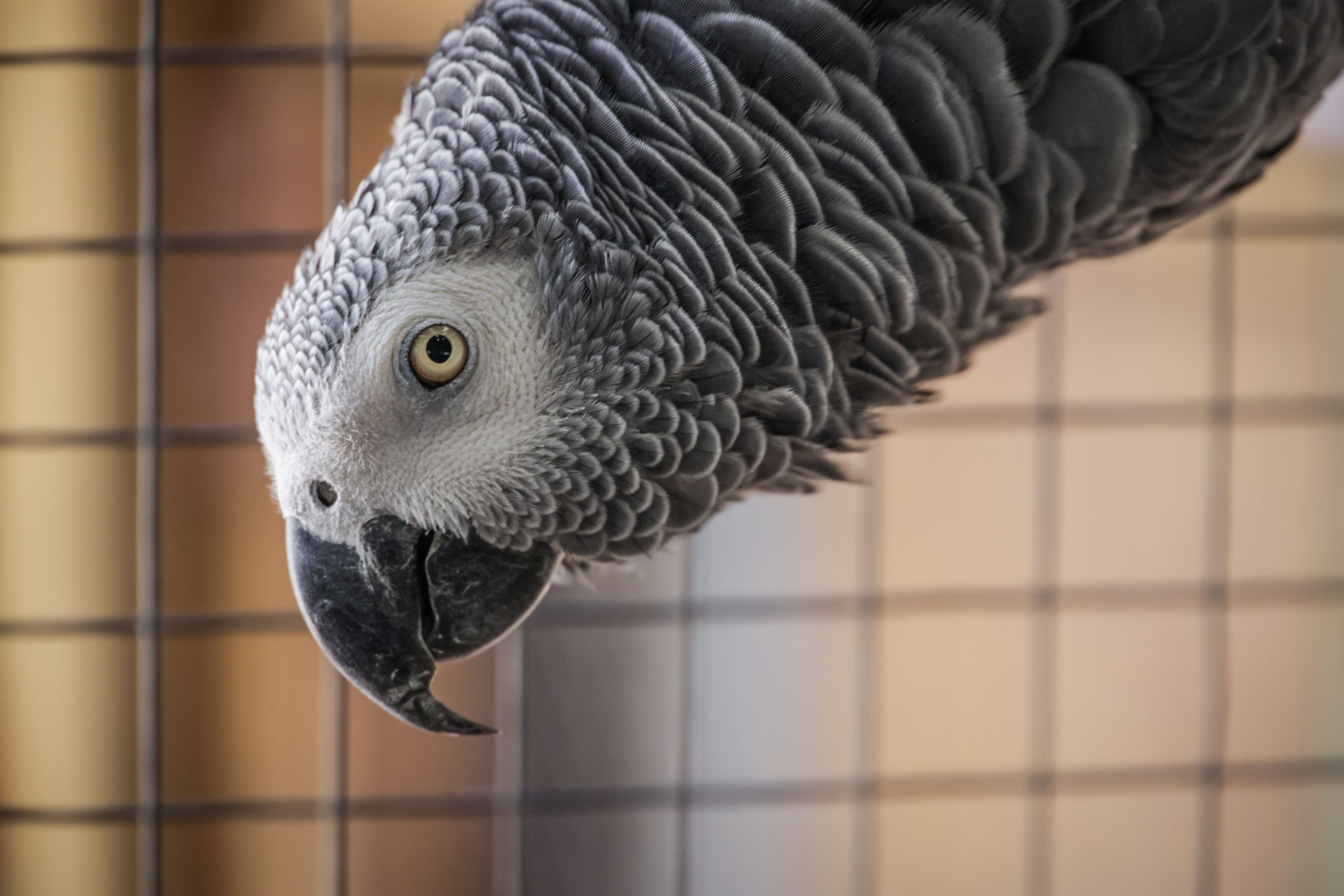
- Pinning eyes — the pupils rapidly dilate and contract, often a sign of excitement or agitation
- Raised feathers on the nape or crest — a bird puffing up in a tense, alert way
- Leaning away or backing up — your bird is trying to create distance before things escalate
- Beak grinding vs. beak clicking — grinding is usually a relaxed, contented sound; clicking or an open beak held still is a warning
- A raised foot or lunging stance — your bird is telling you, clearly, that a bite is next if you don't stop
Situations That Commonly Trigger Bites (And Why Won't My Bird Stop Biting Because of Them)
Cage cleaning, nail trims, moving a bird to an unfamiliar room, introducing a new person, and reaching in too fast without warning are the classic setups. So what does this mean for you? Slow down. Announce yourself before reaching toward the cage. Give your bird a second to see your hand coming instead of surprising it.
Types of Biting and What Each One Means
Not every bite carries the same weight, and lumping them all together makes training harder than it needs to be when you are desperately trying to figure out why won't my bird stop biting.
- Fear biting happens fast and is usually a reaction to something startling — a hand moving too quickly, a loud noise, an unfamiliar face.
- Hormonal/territorial biting tends to cluster around specific people, specific locations (often the cage), or specific seasons.
- Overstimulation biting shows up during play, especially with young or high-energy birds that haven't learned to self-regulate yet.
- The bluff is a light, controlled nip meant as a warning, not an attack. Birds that are heard and respected during a bluff rarely need to escalate to a harder bite.
- Redirected aggression happens when a bird is agitated by something else entirely — another pet, a person across the room — and takes it out on whoever's closest, often the hand holding it. Understanding this misdirected frustration is crucial when asking why won't my bird stop biting.
Knowing which type you're dealing with changes everything about how you respond.
Training Fixes: How to Reduce and Stop Biting
Let's break it down into what actually works, because a lot of advice on why won't my bird stop biting is either too vague or leans on outdated punishment-based methods that make biting worse, not better.
Set realistic expectations first. Biting rarely disappears completely within a week. Most owners see real improvement over four to eight weeks of consistent work, with hormonal biting sometimes taking longer since it's tied to seasonal cycles you can't fully control.
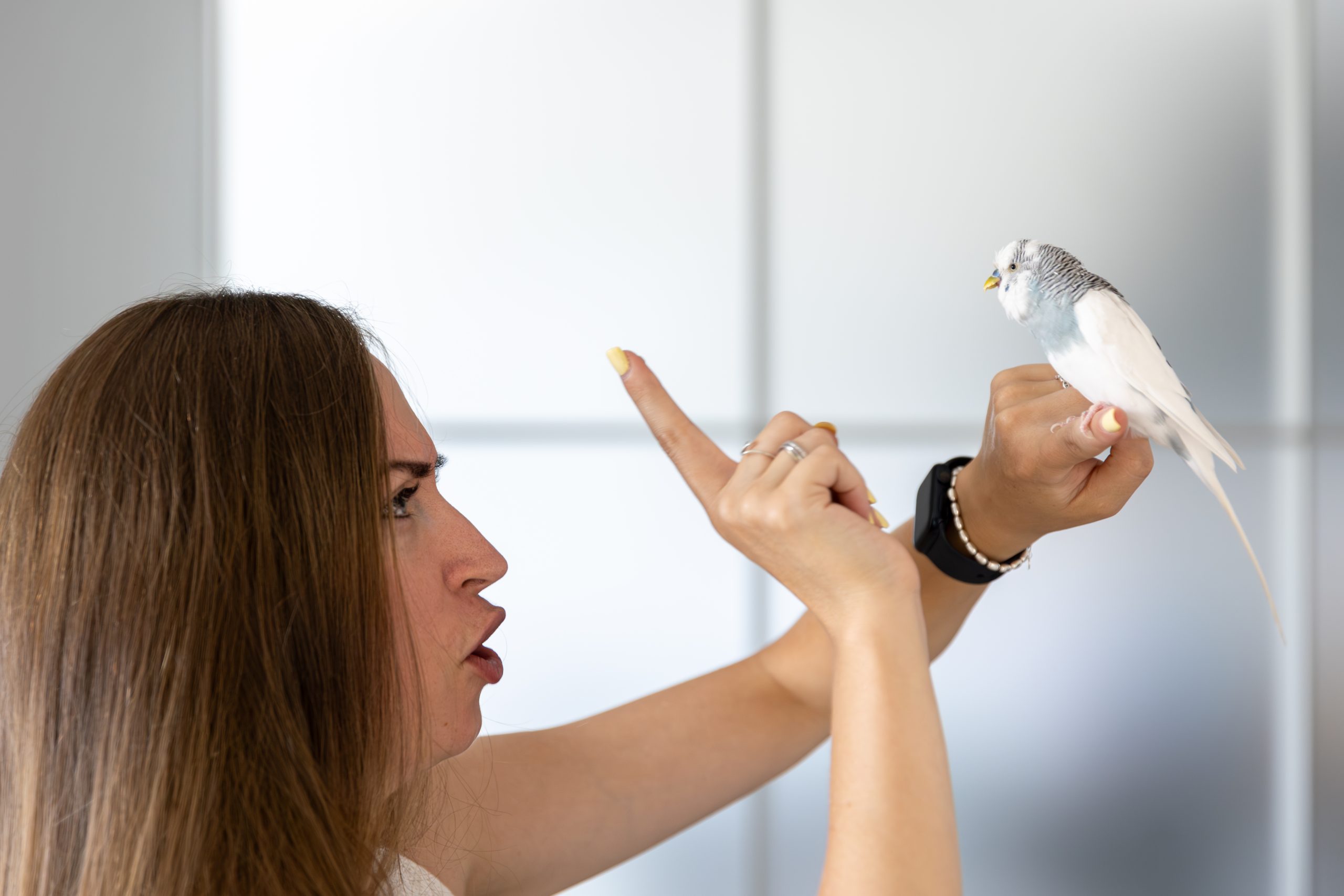
- Step-up training. Teach your bird to step onto your hand or a perch on cue, using a calm, consistent command. This builds a foundation of trust and gives your bird a predictable way to interact with you that doesn't involve conflict.
- Target training. Teach your bird to touch its beak to a small stick (a chopstick works fine) in exchange for a treat. This sounds simple, but it gives your bird something productive to do with its beak and builds a communication bridge that makes other training easier.
- Desensitization. If your bird bites during specific situations — nail trims, being handled by a stranger, entering a certain room — break that situation into small, non-threatening steps. Reward calm behavior at each stage before moving to the next. This patience is the secret to fixing why won't my bird stop biting during handling.
- Never punish a bite. Yelling, flicking the beak, or shaking the hand hurts trust far more than it helps. Birds don't connect punishment with "don't do that" the way dogs sometimes do — they connect it with "this person is unpredictable and scary," which tends to make biting worse over time.
Practical Tips by Situation: Why Won't My Bird Stop Biting in Specific Scenarios?
If Your Bird Bites During Cage Time
If you constantly wonder why won't my bird stop biting every time you reach in, announce yourself before opening the cage. Move slowly, and if your bird is guarding its space, try offering a treat through the bars first rather than reaching straight in. Some birds do better if you rearrange the cage occasionally so no single spot becomes an overly defended territory.
If Your Bird Bites Only Certain People
If you are asking why won't my bird stop biting my spouse or friends, this is usually a hormonal or trust issue, not a reflection of that person doing anything wrong. Have the "bitten" person build a relationship slowly through treats and calm, low-pressure interactions rather than direct handling at first.
If Your Bird Bites During Hormonal Season
Reduce behaviors that can trigger hormonal responses — extended petting along the back and under the wings, dark enclosed spaces that mimic a nest, and excessive cuddling. Keep the bird on a more natural light schedule (roughly 10–12 hours of darkness) to help regulate hormone cycles. Often, this is the missing puzzle piece to why won't my bird stop biting during the spring.

Common Mistakes to Avoid When Fixing Why Won't My Bird Stop Biting
- Pulling your hand away fast — this rewards the bite by proving it "works" to make the hand disappear. Instead, hold steady and calmly disengage once the bird releases.
- Yelling — it can actually excite or frighten your bird further, reinforcing the cycle rather than breaking it.
- Hitting or flicking the beak — this damages trust and can create a bird that bites out of fear even more often.
- Forcing interaction right after a bite — give your bird space to settle rather than pushing through to "prove" you're not afraid.
- Inconsistent responses — if biting sometimes gets a reaction and sometimes doesn't, your bird will keep testing to see which one happens today, leaving you constantly asking why won't my bird stop biting.
Safety & Warning Signs
- ✅ Safe practices: Moving slowly and predictably, rewarding calm behavior, giving your bird an easy way to say "not now" (like stepping back), sticking to a consistent routine
- ⚠️ Unsafe practices: Reaching in fast without warning, forcing physical contact after a warning sign, punishing your bird physically, ignoring repeated bluffs until they escalate
- 🚩 Warning signs that need a vet or avian behaviorist: A sudden, unexplained change in biting behavior; biting paired with fluffed feathers, lethargy, or appetite changes; biting that's escalating in intensity despite consistent training; self-plucking or other stress behaviors alongside aggression
When to See a Vet or Avian Behaviorist
If your bird has bitten gently for years and suddenly starts biting hard and often, don't assume it's just a phase — a vet visit is worth ruling out pain, illness, or a hidden injury first. Home training is usually enough for typical fear, hormonal, or overstimulation issues when addressing why won't my bird stop biting. But if biting is severe, sudden, or paired with other behavioral changes like feather plucking or withdrawal, a certified avian behaviorist can help you build a plan specific to your bird. The Association of Avian Veterinarians maintains a directory of qualified avian vets if you don't already have one.
Your Quick Checklist to Solve Why Won't My Bird Stop Biting
- Identify the type of biting (fear, hormonal, overstimulation, bluff, or pain-related)
- Watch for warning signs — pinned eyes, raised feathers, leaning away — before the bite happens
- Practice step-up and target training a few minutes a day
- Never punish a bite; disengage calmly instead
- Reduce hormonal triggers during breeding season
- Keep a simple log of when bites happen to spot patterns and finally answer why won't my bird stop biting
- Book a vet visit if biting changes suddenly or comes with other symptoms
Frequently Asked Questions About Why Won't My Bird Stop Biting
Why does my bird bite me but not other people?
If you find yourself asking why won't my bird stop biting you or a specific person, it is often tied to hormonal bonding or territorial behavior — your bird may see you as a mate or rival depending on the dynamic. It can also mean you're the one who handles daily tasks like cage cleaning, which naturally creates more opportunities for conflict.
Is my bird's biting a phase, or will it always bite?
For most birds, biting linked to hormones, fear, or a specific stage of life does improve significantly with consistent training. It's rarely permanent, though some individual birds will always need gentler handling than others.
How do I stop my bird from biting without scaring it?
When trying to solve why won't my bird stop biting, focus on positive reinforcement — reward calm behavior, use target and step-up training, and always respect warning signs instead of pushing through them. Slow, predictable movements do more than any punishment ever will.
Can hormones make a normally friendly bird bite more?
Yes, this is extremely common. Seasonal hormonal surges can turn even a typically gentle bird possessive or snippy for weeks at a time, especially around the cage or a favorite person.
Should I ever punish my bird for biting?
No. Physical punishment or yelling tends to damage trust and can make biting worse by teaching your bird that you're unpredictable. Calm, consistent responses work far better long-term when figuring out why won't my bird stop biting.
The Bottom Line
If you've been asking why won't my bird stop biting, the honest answer is that it probably will stop — or at least become far less frequent — once you understand what's actually driving it. Biting is communication, not a character flaw, and every bird has a reason behind it, even when that reason isn't obvious at first.
Give yourself permission to go slowly. Training a bird out of biting isn't about dominance or forcing trust; it's about consistency, patience, and paying close attention to what your bird is trying to tell you before it ever reaches for the bite.
You're not failing as an owner because your bird bites. You're just in the middle of the process — and with the right approach, most bird owners do see real, lasting change.
Explore More Bird Care Tips
For more advice on keeping your feathered friends happy and healthy, check out our full range of Bird Care Guides.
About the Author
Irfan Hyder is a pet care writer and bird enthusiast at PetStory.org, where he covers bird nutrition, behavior, and everyday care for owners of budgies, cockatiels, lovebirds, and other companion birds. Irfan combines avian vet guidelines with practical, hands-on experience to help bird owners build calmer, more trusting relationships with their pets.