

You fill the food bowl like always, but this morning something feels off. Your guinea pig is sitting quietly in the corner, fur a little puffed up, and half the pellets from last night are still there. Maybe it's nothing. Maybe it's the start of something affecting your guinea pig health.
Guinea pigs are experts at hiding when they feel unwell. In the wild, showing weakness makes a small animal an easy target, so your pet's instinct is to mask discomfort for as long as possible. That's exactly why the subtle changes matter so much for guinea pig health. By the time a guinea pig looks obviously sick, it may have been struggling for a while.
The good news is, early attention can make a big difference in guinea pig health. Learning to spot guinea pig health warning signs helps you act before a small problem turns into an emergency. You don't need to be a vet. You just need to know what to watch for in your guinea pig health routine.
Let's walk through the signs together, from the easy-to-miss ones to the symptoms that mean "call the vet right now" for urgent guinea pig health concerns.
In this article, you'll learn:
- The early and emergency warning signs of illness that can affect guinea pig health
- Which symptoms need same-day vet care versus brief monitoring for guinea pig health problems
- Common mistakes owners make and how to respond the right way to protect guinea pig health
Table of Contents
- 1. Why Guinea Pig Health Changes Can Be Easy to Miss
- 2. Guinea Pig Health Warning Signs Every Owner Should Watch For
- 3. Appetite and Digestion Problems That Need Fast Attention
- 4. Breathing and Respiratory Warning Signs
- 5. Behavior Changes That May Signal Illness
- 6. Physical Signs You Should Never Ignore
- 7. Guinea Pig Emergency Signs That Need Urgent Vet Care
- 8. Common Mistakes Owners Make When Symptoms Start
- 9. Safety and Warning Signs at a Glance
- 10. When to See a Vet
- 11. Your Quick Checklist
- 12. Frequently Asked Questions
- 13. The Bottom Line
1. Why Guinea Pig Health Changes Can Be Easy to Miss
Guinea pigs are prey animals. That single fact shapes almost everything about how they behave when they feel bad. Instead of crying out or slowing down dramatically, a sick guinea pig often tries to act normal. It stays still, keeps quiet, and hides any sign of pain that could reveal declining guinea pig health.
Here's the tricky part. Because these animals mask discomfort so well, the first clues are usually tiny. A little less hay eaten overnight. A quieter squeak at feeding time. More time spent tucked inside a hide. On their own, these things seem harmless, but they can point to early guinea pig health issues.
But small shifts often add up to something real. That's why paying attention to daily habits matters for guinea pig health. When you know what healthy guinea pig signs look like — bright eyes, steady eating, active popcorning, and regular droppings — you're far more likely to catch when something drifts off course.
Think of it this way. You're not looking for one dramatic symptom. You're watching for changes from your guinea pig's normal baseline of guinea pig health.
2. Guinea Pig Health Warning Signs Every Owner Should Watch For
Some symptoms deserve a spot at the top of your radar. These are the guinea pig health warning signs that show up most often and tend to point to something worth checking before guinea pig health declines further.
Changes in Eating and Weight
A guinea pig that eats less, or stops eating entirely, is telling you something important about guinea pig health. Sudden weight loss often follows, sometimes before you even notice the reduced appetite. Weekly weigh-ins catch this early and support better guinea pig health monitoring.
Lethargy and Weakness
A healthy guinea pig is curious and busy. If yours seems flat, sleepy at odd hours, or reluctant to move, that guinea pig lethargy is a real signal. Weakness that makes it hard to stand or walk is even more concerning for overall guinea pig health.
Breathing Changes
Breathing should be quiet and effortless. Wheezing, clicking sounds, or fast, heavy breaths point to possible guinea pig breathing problems that need prompt care to protect guinea pig health.
Abnormal Droppings
Droppings tell a story about guinea pig health. Diarrhea, tiny droppings, or far fewer than usual can mean the digestive system is slowing down — a serious issue in this species.
Discharge, Drooling, and Lumps
Watery or crusty eyes, a runny nose, drooling around the mouth, or new lumps and swellings all deserve a closer look. Drooling in particular can hint at dental trouble that affects guinea pig health.
Trouble Moving
Limping, stiffness, or dragging a limb shouldn't be brushed off. Pain and injury both show up this way and can quickly interfere with guinea pig health and comfort.
3. Appetite and Digestion Problems That Need Fast Attention
Of all the sick guinea pig symptoms, appetite loss sits at the top of the "act quickly" list. Guinea pigs have sensitive digestive systems that rely on constant movement. Food needs to keep flowing through, almost around the clock, to maintain guinea pig health.
When a guinea pig not eating goes unnoticed for even half a day, that gut movement can slow or stop. This condition, often referred to by experts as gastrointestinal stasis, can become life-threatening fast. It's one of the most common reasons guinea pigs end up needing emergency care and a major guinea pig health risk.
Watch closely if your guinea pig:
- Refuses hay, which should be its main food and a foundation of guinea pig health
- Ignores favorite veggies or treats it normally races toward
- Produces fewer droppings, or none at all
- Has diarrhea or soft, messy stool
- Looks bloated, with a tight or swollen belly
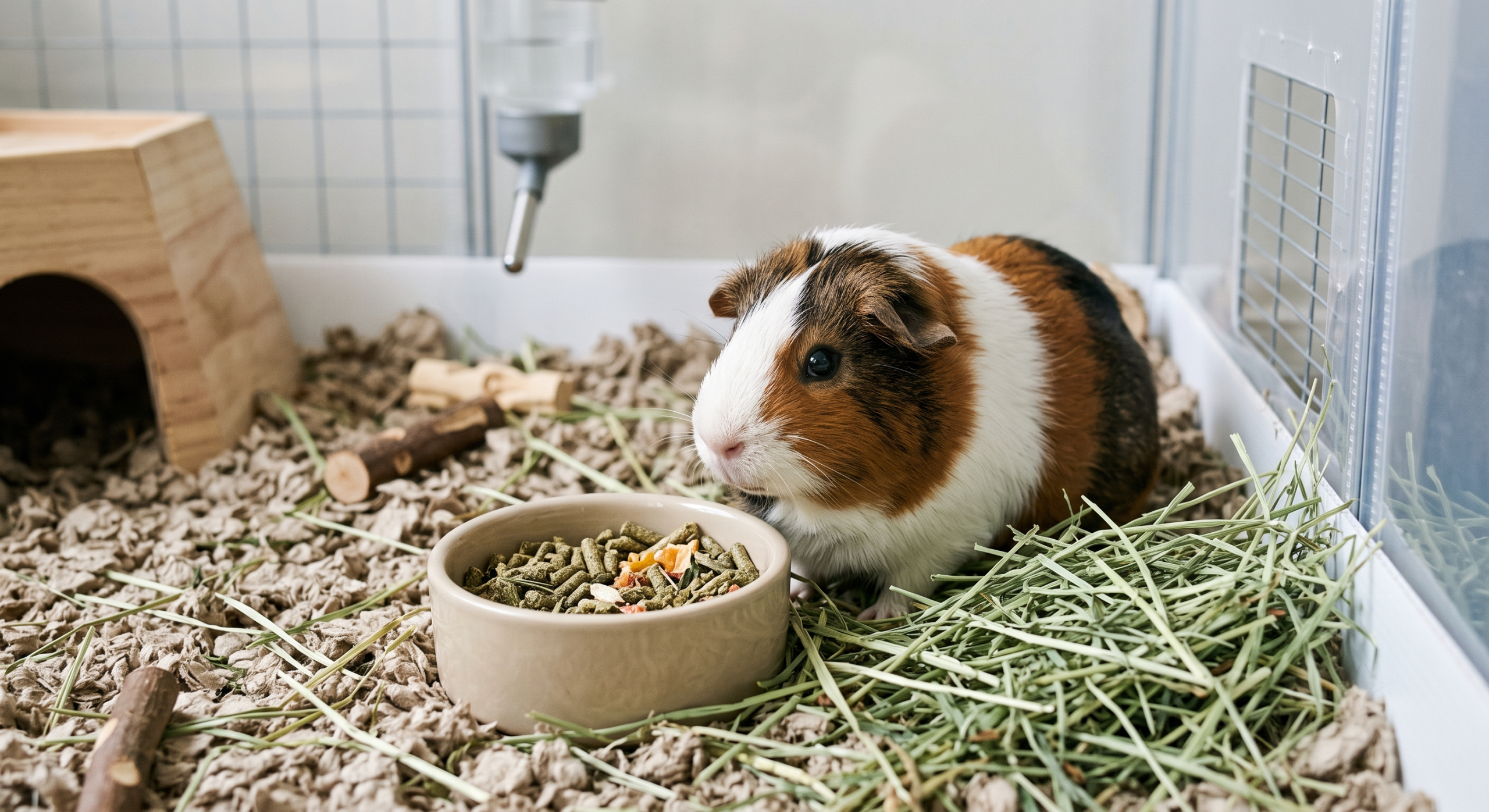
Bloating is especially worrying. A belly that feels firm or looks puffed out, paired with discomfort, needs same-day help. When in doubt about appetite or digestion, don't wait it out. This is one area where a few hours truly matter for guinea pig health.
4. Breathing and Respiratory Warning Signs
Respiratory infections are common in guinea pigs, and they can turn serious quickly. That's why guinea pig breathing problems always deserve attention rather than a wait-and-see approach when guinea pig health is at stake.
Listen and watch for:
- Noisy breathing, including clicking, crackling, or wheezing sounds
- Rapid breathing while resting
- Labored breathing, where the whole body seems to work at it
- Nasal discharge, sometimes with sneezing
- Crusty or watery eyes
Here's something worth knowing. Guinea pigs can hide respiratory illness until it's advanced. A little sneezing might seem minor, but paired with reduced appetite or lethargy, it points toward infection. Breathing that looks like a struggle is an emergency, plain and simple for guinea pig health.
5. Behavior Changes That May Signal Illness
Behavior often shifts before physical symptoms appear. You know your guinea pig's personality, so trust your gut when something feels different in its usual guinea pig health patterns.
Keep an eye out for:
- Hiding far more than usual
- Sitting hunched or puffed up in one spot for long stretches
- A drop in normal activity, play, or curiosity
- Grumpiness or squealing when gently handled
- Not reacting to sounds, food, or your presence the way it usually would
- Pulling away from cage mates or being pushed out by them
That can be easy to miss, especially with a naturally shy guinea pig. But a sudden change in routine is your cue to look closer at possible guinea pig health concerns.
6. Physical Signs You Should Never Ignore
Sometimes the clues are right there on your guinea pig's body. A gentle weekly health check helps you catch these signs of illness in guinea pigs before they grow and begin to affect long-term guinea pig health.
Look for:
- Weight loss you can feel along the spine and hips
- A rough, dull, or unkempt coat instead of a smooth one
- Drooling or a wet chin, often linked to dental problems
- Trouble eating hard food, which can signal overgrown teeth
- Wounds, scabs, or bald patches
- Limping or reluctance to bear weight
- Lumps or swelling anywhere on the body
- Blood in the urine, or unusual staining
- A messy, wet, or soiled rear end
A dirty bottom deserves a special mention. It can point to digestive trouble, urinary issues, or difficulty grooming, and it can lead to painful skin problems if ignored, all of which can undermine guinea pig health.
7. Guinea Pig Emergency Signs That Need Urgent Vet Care
Some situations can't wait. These guinea pig emergency signs mean you should contact a vet or emergency clinic right away, even after hours, to protect guinea pig health.
Get urgent help if your guinea pig shows:
- No eating or drinking for several hours
- Severe or labored breathing, or open-mouth breathing
- Seizures or twitching
- Collapse or inability to stand
- Severe bloating with a hard belly
- Heavy bleeding
- Complete inability to move
- Extreme weakness or unresponsiveness
In some cases, this needs fast action measured in hours, not days. When you spot any of these, skip the wait-and-watch approach and reach out for professional help immediately for your guinea pig health emergency.
8. Common Mistakes Owners Make When Symptoms Start
Even loving, attentive owners slip into a few habits that can delay care. Here are the most common ones, along with a better path for supporting guinea pig health.
- Waiting too long with appetite loss. It's tempting to give it a day. Instead, treat reduced eating as urgent and act within hours to protect guinea pig health.
- Assuming quiet behavior is just a mood. A calm guinea pig is fine; a suddenly withdrawn one may be unwell. Watch for other changes alongside it.
- Trying home remedies first. Online cures can waste precious time. Call a vet before attempting DIY treatments for guinea pig health issues.
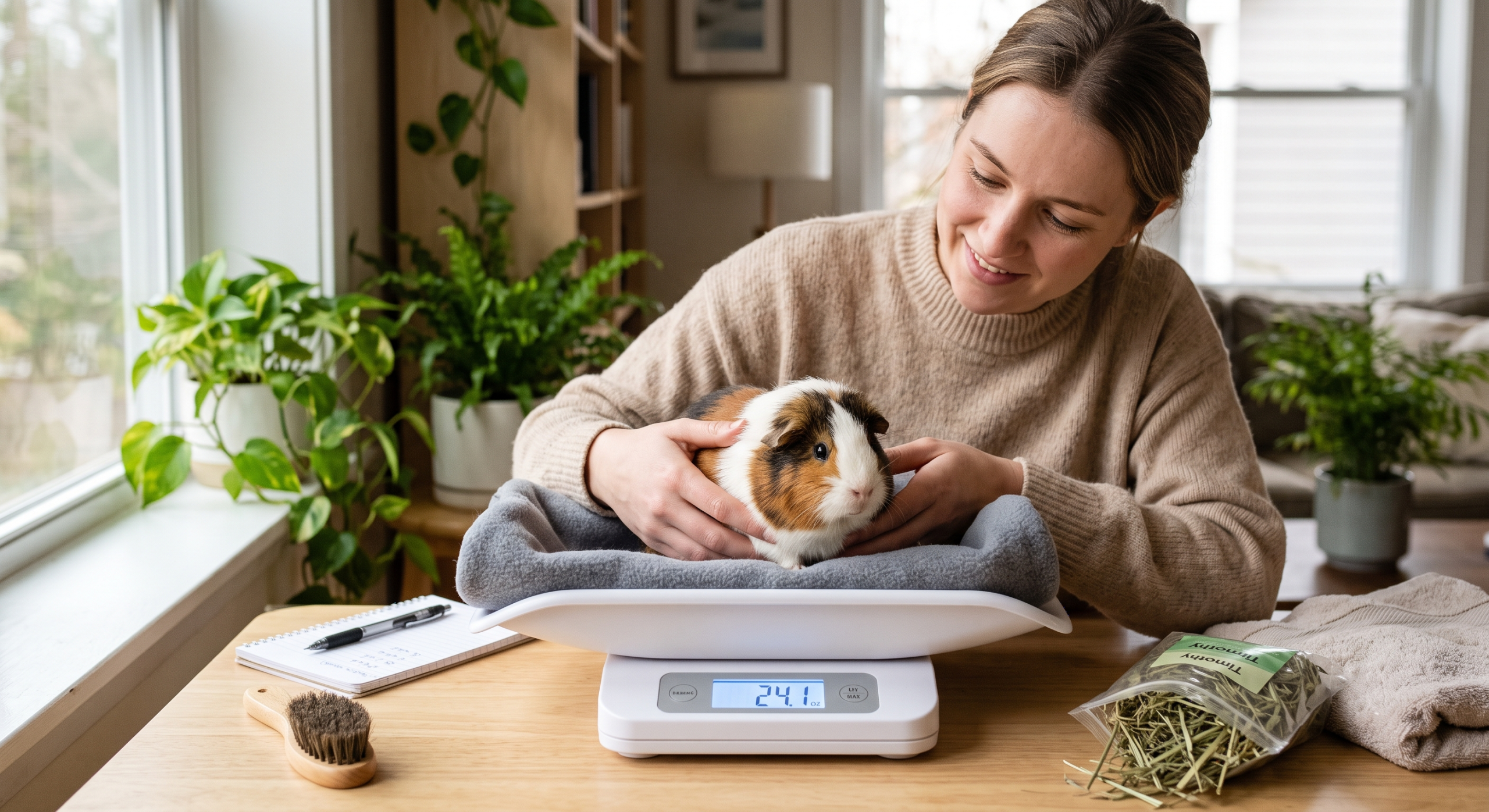
- Skipping regular weigh-ins. Without weekly weights, early weight loss goes unseen. A simple kitchen scale solves this and supports guinea pig health tracking.
- Overlooking dental issues. Drooling and dropped food often mean teeth trouble. Mention these signs to your vet early.
- Delaying because symptoms seem mild. Small signs can mask big problems in this species. When unsure, a quick call beats a long wait for guinea pig health concerns.
9. Safety and Warning Signs at a Glance
Use these quick markers to sort what you're seeing and respond in a way that supports guinea pig health.
✅ Safe practices
- Weighing your guinea pig weekly and tracking the number
- Offering unlimited fresh hay every single day to support guinea pig health
- Doing a gentle head-to-tail check once a week
- Keeping the enclosure clean, dry, and well-ventilated
⚠️ Unsafe practices
- Ignoring one skipped meal as "no big deal"
- Waiting several days to see if symptoms pass
- Treating illness at home without vet guidance
- Assuming a runny nose or sneeze will clear on its own
🚩 Warning signs that need attention
- Not eating or drinking
- Labored or noisy breathing
- Bloated or hard belly
- Lethargy, weakness, or collapse
- Fewer droppings or diarrhea
- Blood in urine or heavy bleeding
Warning Signs Summary Table
| Warning Sign | What It May Mean | How Urgent | What the Owner Should Do |
|---|---|---|---|
| Not eating / refusing hay | GI stasis, dental pain, illness | Very urgent | Contact vet same day; syringe-feed only if advised |
| Fewer or no droppings | Digestive slowdown | Very urgent | Call vet right away |
| Labored or noisy breathing | Respiratory infection | Emergency | Seek urgent care immediately |
| Lethargy or weakness | Pain, infection, systemic illness | Urgent | Book a same-day vet visit |
| Bloated, hard belly | Bloat or gas buildup | Emergency | Get emergency care now |
| Drooling / wet chin | Dental disease | Urgent | Schedule a vet exam soon |
| Diarrhea / messy rear | Digestive upset, infection | Urgent | Vet visit; keep the area clean |
| Blood in urine | Bladder stones or infection | Urgent | Contact vet promptly |
| Sudden weight loss | Underlying illness | Urgent | Weigh, note trend, call vet |
| Seizures or collapse | Serious medical crisis | Emergency | Emergency vet immediately |
10. When to See a Vet
Let's break it down simply, because knowing when to take a guinea pig to vet care removes a lot of the guesswork and worry around guinea pig health.
Seek same-day care when your guinea pig stops eating, produces far fewer droppings, seems weak or lethargic, or shows any breathing changes. In guinea pigs, these signs move fast, and same-day attention often prevents an emergency and protects guinea pig health.
Brief home monitoring may be reasonable for very minor, single changes, like one slightly smaller-than-usual meal in an otherwise bright, active, normal-eating pet. Even then, keep watching closely, weigh your guinea pig, and be ready to call if anything else appears within a few hours that could affect guinea pig health.
Treat it as an emergency with any of the urgent signs listed earlier: severe breathing trouble, collapse, seizures, heavy bleeding, or a hard, bloated belly. Don't wait for morning or for a regular appointment when guinea pig health is clearly in danger.
One more thing worth mentioning. Guinea pigs are exotic pets, and not every clinic treats them. Find an exotic or small-mammal vet before you have an emergency. Keep their number and hours handy. When a stressful moment hits, you'll be glad you already know where to go for guinea pig health support.
11. Your Quick Checklist
Save this and revisit it often as part of your regular guinea pig health routine:
- Weigh your guinea pig weekly and write the number down
- Offer fresh hay daily and watch that it's actually eaten
- Check droppings each day for size, amount, and consistency
- Do a gentle weekly body check for lumps, wounds, and coat changes
- Notice behavior shifts like hiding, hunching, or low energy
- Treat appetite loss as urgent, not something to wait out
- Keep an exotic vet's contact details somewhere easy to find
12. Frequently Asked Questions
How do I know if my guinea pig is sick?
Watch for changes from its normal habits, such as eating less, hiding more, low energy, or abnormal droppings. Because guinea pigs hide illness, even small shifts can matter. Weekly weigh-ins and daily observation help you catch problems early and support better guinea pig health.
Is it serious if my guinea pig stops eating?
Yes, it's one of the most serious warning signs. Guinea pigs need constant food moving through their gut, and appetite loss can trigger dangerous gastrointestinal stasis within hours. Contact a vet the same day if your guinea pig refuses to eat to protect guinea pig health.
What are signs of respiratory infection in guinea pigs?
Look for noisy or labored breathing, wheezing, sneezing, nasal discharge, and crusty or watery eyes. These often come with reduced appetite or lethargy. Respiratory infections can worsen quickly, so prompt vet care is important for guinea pig health.
When should I take my guinea pig to the vet?
Seek same-day care for not eating, fewer droppings, breathing changes, or lethargy. Treat severe breathing trouble, collapse, seizures, or heavy bleeding as an emergency. When you're unsure, a quick call to an exotic vet is always the safer choice for guinea pig health.
Can a guinea pig hide illness until it becomes severe?
Absolutely. As prey animals, guinea pigs instinctively mask pain and weakness to avoid looking vulnerable. That's why subtle early signs matter so much and why regular monitoring is your best tool for protecting guinea pig health and catching problems in time.
13. The Bottom Line
Caring for a guinea pig means learning its quiet language. These little animals rarely announce that something's wrong, so the guinea pig health warning signs you notice early are often the ones that save the day. A skipped meal, a puffed-up posture, a quieter squeak — each one is worth a second look for guinea pig health.
You don't have to diagnose anything yourself. Your job is simply to notice changes and act with calm confidence. Weigh your pet weekly, watch its daily habits, and trust yourself when something feels off. That awareness is powerful for long-term guinea pig health.
And remember, catching guinea pig health warning signs early truly makes a difference. When you pair a watchful eye with a good exotic vet, you're giving your guinea pig the best possible shot at a long, comfortable, happy life supported by better guinea pig health care.
Ready to Learn More?
Now that you know what warning signs to watch for, check out our Complete Guinea Pig Care Guide to support better guinea pig health and ensure your pet stays happy and healthy!
Disclaimer: This article is for informational purposes only and is not a substitute for professional veterinary advice. Always consult a licensed veterinarian about your pet's specific health needs.