
Bringing an exotic pet into your home is a thrilling experience, but it requires an entirely different approach to preparation than adopting a cat or a dog. When you adopt a traditional pet, they share your environment. When you adopt an exotic pet—whether it is a reptile, amphibian, bird, or small mammal—you are completely responsible for building their exotic pet habitat from scratch.
An exotic pet habitat is not just a place for the animal to sleep; it is a carefully controlled microclimate that must meet their physical, psychological, and biological needs. Because the term "exotic pet" covers thousands of vastly different species, there is no universal enclosure, single ideal temperature, or one-size-fits-all substrate. A tall, humid glass terrarium that allows a tree frog to thrive would be fatal to a desert-dwelling lizard.
This guide will walk you through the core principles of habitat planning. By understanding enclosure dimensions, environmental controls, flooring, and enrichment, you can build a safe, species-specific exotic pet habitat before your new companion ever comes through the door.
Table of Contents
- Understanding the Natural Environment for Your Exotic Pet Habitat
- Choosing the Appropriate Enclosure: Size, Type, and Layout
- Selecting Suitable Substrate and Flooring
- Managing Temperature, Humidity, and Ventilation
- Providing Hiding Places, Furnishings, and Enrichment
- Providing Appropriate Water Access
- Maintaining Hygiene and Cleaning the Exotic Pet Habitat
- Common Exotic Pet Habitat Setup Mistakes to Avoid
- Exotic Pet Habitat Planning Checklist for Beginners
- Frequently Asked Questions
- Conclusion
Understanding the Natural Environment for Your Exotic Pet Habitat
The foundation of any successful exotic pet habitat is a deep understanding of the animal's natural ecology. Before purchasing a single piece of equipment, research where the species originates. Are they from a dense, humid rainforest, an arid desert, or a temperate woodland? Do they spend their time burrowing underground, swimming in streams, or navigating the high canopy of trees?
For example, ectothermic (cold-blooded) animals like reptiles and amphibians rely entirely on their environment to regulate their body temperature and metabolism. Small mammals and birds are endothermic (warm-blooded) but have highly sensitive respiratory systems that dictate how their cages must be ventilated.
Never generalize the needs of one species to an entire animal group. A ball python, which is a terrestrial snake from sub-Saharan Africa, requires vastly different humidity levels and climbing structures than a green tree python, which is an arboreal snake from the rainforests of New Guinea. Always consult species-specific care sheets from qualified exotic-animal veterinarians, such as those provided by the MSD Veterinary Manual, before planning your exotic pet habitat.
Choosing the Appropriate Enclosure for an Exotic Pet Habitat: Size, Type, and Layout
The most significant investment you will make is the enclosure itself. The right choice depends on the animal's adult size, activity level, and environmental requirements. A common mistake for beginners is buying a small enclosure for a juvenile animal without budgeting or planning for the massive exotic pet habitat upgrade they will need a year later.
Floor Space vs. Vertical Space
Exotic pets utilize space differently based on their natural behaviors. Terrestrial animals need horizontal floor space to roam and forage, while arboreal animals require vertical height for climbing and perching.
For a terrestrial small mammal like a hedgehog, continuous floor space is non-negotiable. Hedgehogs are ground-dwellers with poor eyesight and clumsy climbing abilities. Therefore, a wide, single-level enclosure with a solid floor is much safer than a tall, multi-level wire cage designed for climbing animals like ferrets or rats. A fall from a wire ramp can easily injure a hedgehog.
Conversely, arboreal amphibians like White's tree frogs need an enclosure that is significantly taller than it is wide. In the wild, these frogs feel secure high off the ground hidden among leaves. Providing a long, low tank will cause them chronic stress and prevent them from engaging in natural climbing behaviors.
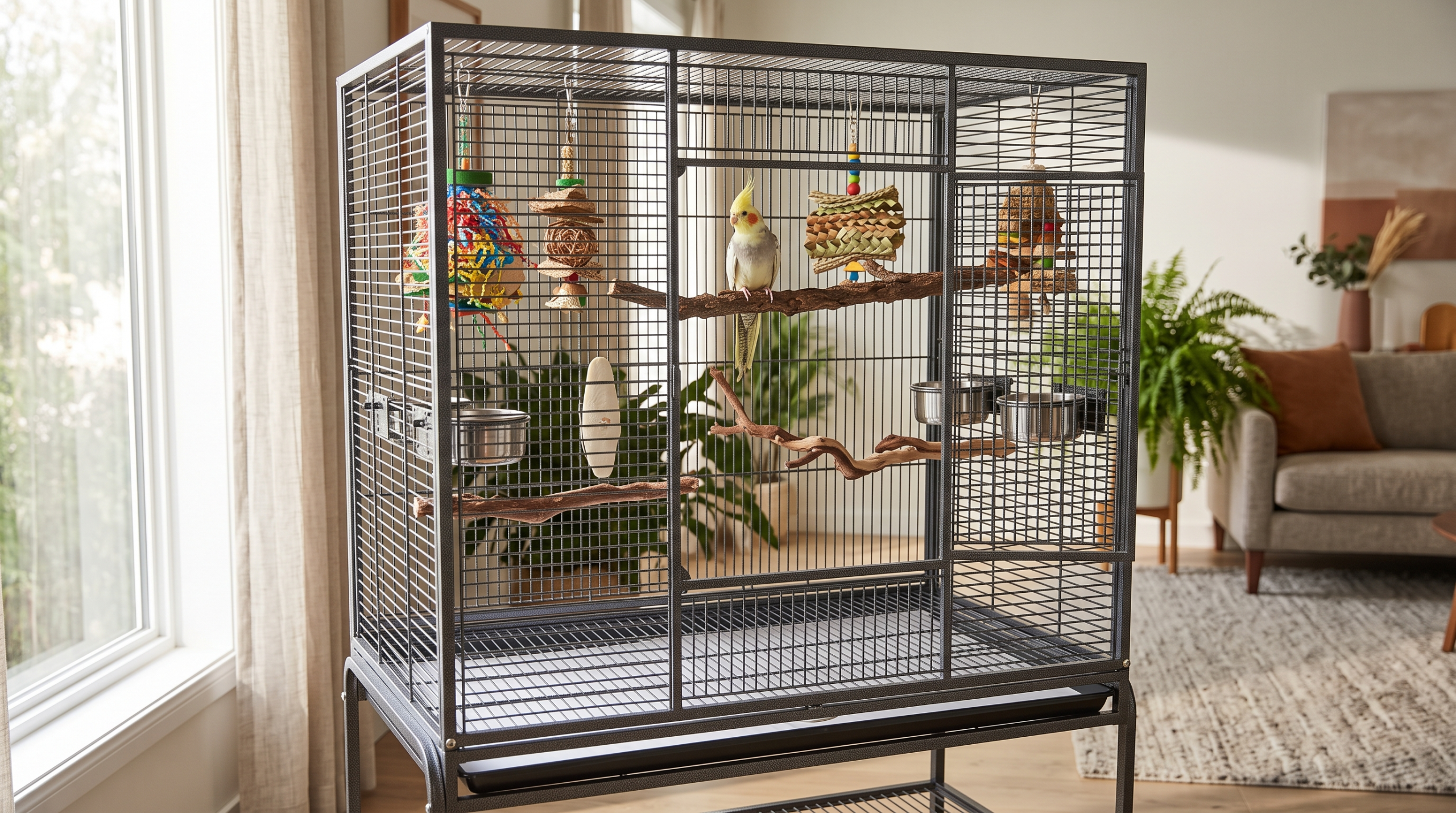
For birds, such as cockatiels or small parrots, the cage must accommodate their wingspan and flight patterns. According to the Association of Avian Veterinarians, a bird's cage should be large enough to allow the bird to fully extend its wings and flap without touching the sides, the roof, or the perches. Furthermore, the enclosure must provide enough vertical height for climbing, with horizontal bars to facilitate this natural movement within their exotic pet habitat.
Glass, Wire, or Screen: Matching Materials to Needs
The material of the enclosure dictates how well it holds heat and humidity versus how well it ventilates.
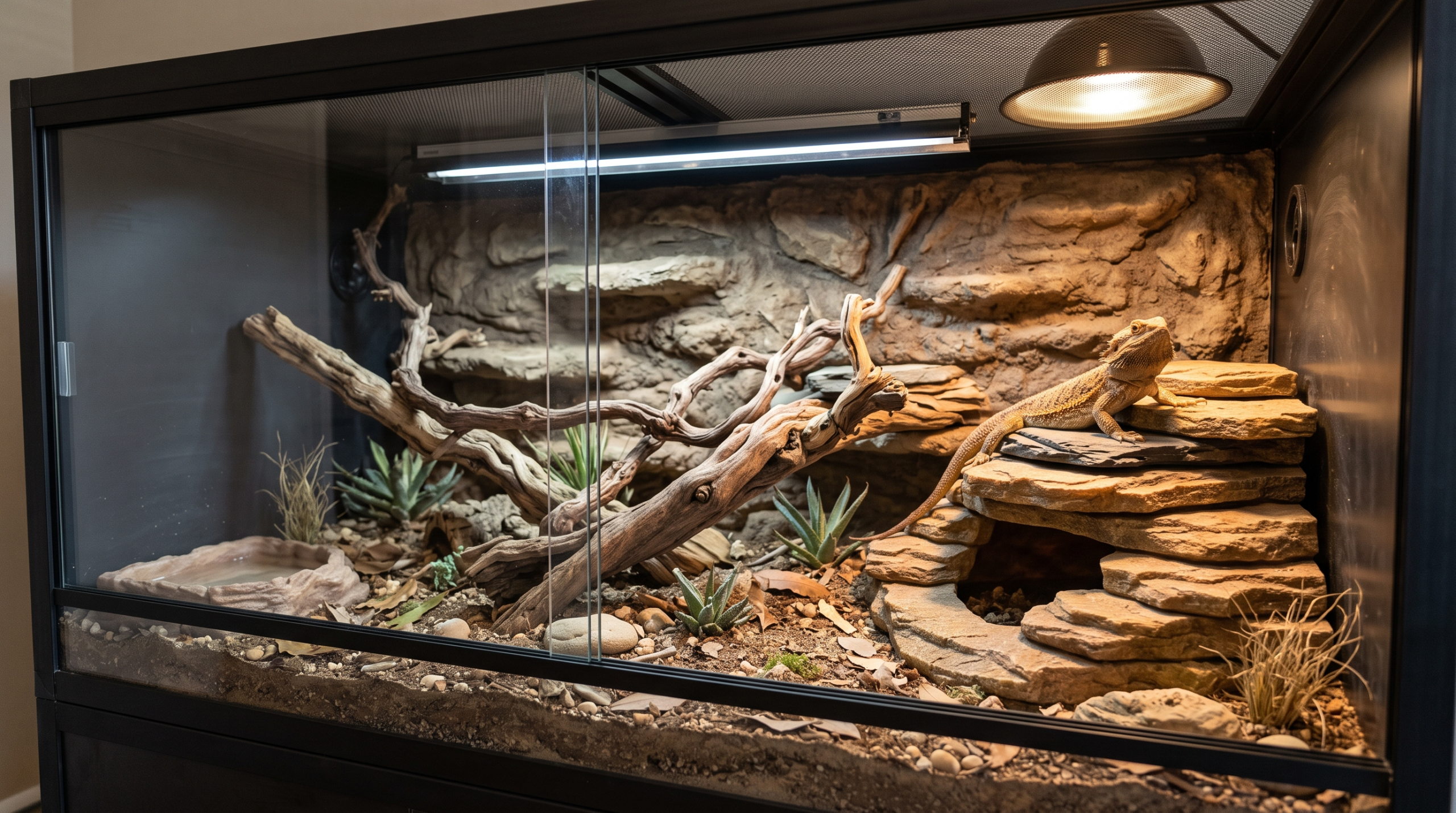
Glass terrariums and PVC enclosures are excellent for reptiles and amphibians that require high humidity and tightly controlled heat. PVC is particularly popular for adult reptile enclosures—such as the standard 4x2x2 foot enclosure recommended for adult bearded dragons—because it holds heat efficiently, is lightweight, and provides solid walls that help the animal feel secure from predators.
Wire and screen enclosures are vital for animals that need maximum airflow and lower ambient humidity. Birds require wire cages to facilitate climbing and to prevent the buildup of feather dust and respiratory irritants. Similarly, certain reptiles like chameleons are highly prone to upper respiratory infections in stagnant air and generally require screen habitats to ensure constant fresh airflow. When choosing a wire cage for any animal, pay strict attention to bar spacing; if the bars are too far apart, a small bird or mammal could trap its head.
Selecting Suitable Substrate and Flooring for the Exotic Pet Habitat
The material at the bottom of the exotic pet habitat—known as substrate or bedding—serves multiple purposes. It absorbs waste, provides traction, facilitates natural behaviors like digging or burrowing, and helps regulate humidity. However, choosing the wrong substrate is one of the leading causes of preventable veterinary emergencies.
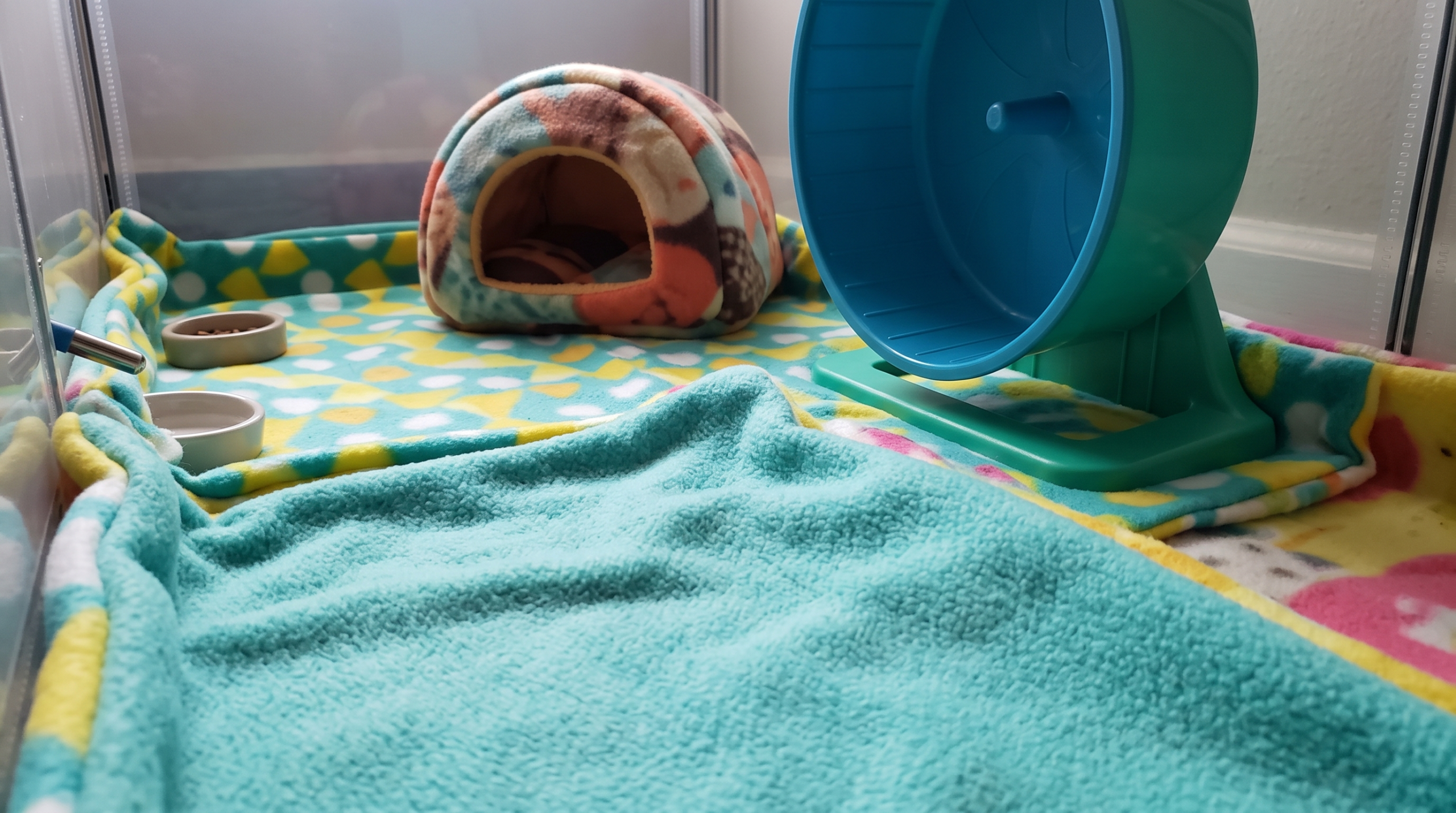
For small mammals like hedgehogs or guinea pigs, paper-based bedding or washable fleece liners are excellent, dust-free choices. You must strictly avoid cedar and pine wood shavings. These softwood shavings emit volatile phenols—aromatic compounds that can cause severe respiratory damage and liver disease in small mammals over time.
For reptiles, the substrate must mimic their natural environment without posing an impaction risk. Impaction is a fatal blockage of the digestive tract caused by swallowing indigestible materials. While calcium sand is frequently sold in pet stores for desert lizards, many exotic veterinarians warn against it because it neutralizes stomach acid and clumps in a reptile's intestines if ingested during feeding. For a bearded dragon, safer alternatives include rough slate tiles, which are easy to clean and help file down their nails naturally, or a vet-approved organic topsoil and play-sand mixture for advanced keepers looking to provide digging opportunities.
For amphibians, substrates like coconut fiber or organic, fertilizer-free topsoil are ideal. These materials hold moisture well and slowly release it into the air, helping to maintain the high ambient humidity their delicate skin requires to stay hydrated.
Managing Temperature, Humidity, and Ventilation
Creating the right microclimate in your exotic pet habitat requires balancing three interconnected elements: temperature, moisture, and airflow. Adjusting one almost always affects the others. If you restrict ventilation to increase humidity, you risk overheating the enclosure.
Heat and Lighting for Ectotherms and Birds
Reptiles require a thermal gradient—a warm basking side and a cooler ambient side. This allows the cold-blooded animal to move back and forth to regulate its internal body temperature, a process known as thermoregulation. A bearded dragon, for instance, needs a surface basking temperature of 100 to 105 degrees Fahrenheit for proper digestion, while the cool end of the tank should remain around 75 to 80 degrees to prevent overheating.
Furthermore, most diurnal (day-active) reptiles require specialized UVB lighting. Without exposure to specific wavelengths of UVB light, reptiles cannot synthesize vitamin D3, which means they cannot absorb calcium from their diet. This leads to Metabolic Bone Disease, a painful and often fatal condition.
Birds and small mammals generally do not require supplemental heat lamps if your home is kept at a comfortable room temperature. However, they must be placed carefully within the room. Keep their enclosures away from drafty windows, air conditioning vents, and direct, unfiltered sunlight that could cause the ambient temperature inside a cage to spike dangerously.
Balancing Humidity and Airflow
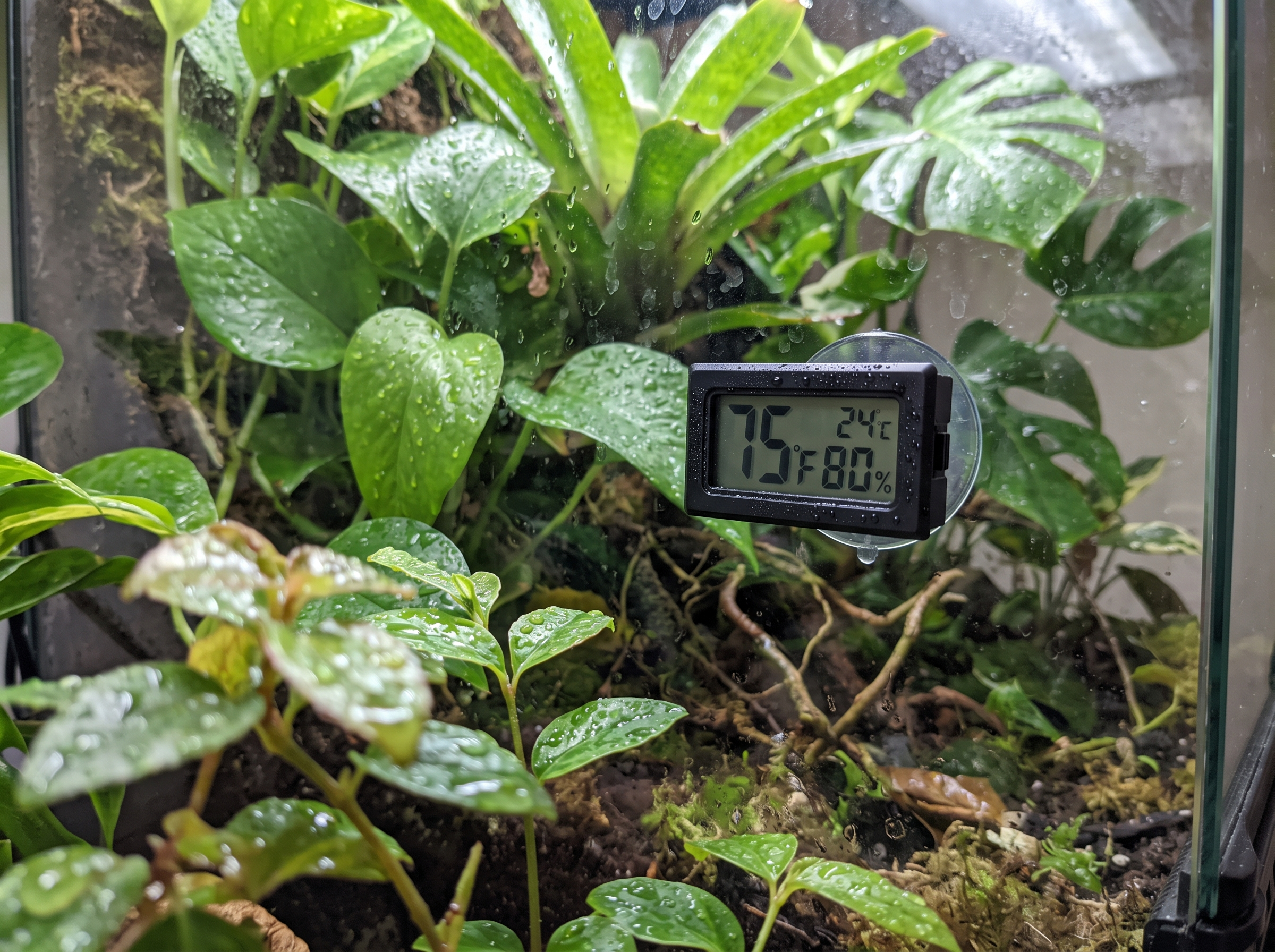
Amphibians absorb water directly through their highly permeable skin. A pet frog requires high humidity to prevent fatal dehydration. However, pumping a glass tank full of moisture without providing adequate ventilation will quickly lead to stagnant air. Stagnant, humid air is a breeding ground for mold, fungus, and bacterial infections that can attack the animal's respiratory system and skin.
To achieve a safe balance, use a reliable digital hygrometer to measure moisture and a digital thermometer with a probe to measure heat. Avoid relying on the cheap plastic dial gauges sold in pet stores, as they are notoriously inaccurate. For high-humidity setups, consider utilizing live plants or automated misting systems, while ensuring there is a screen top or side vents to allow continuous fresh air exchange.
Providing Hiding Places, Furnishings, and Environmental Enrichment
A bare glass box or an empty wire cage is a prison, not a habitat. Environmental enrichment encourages natural behaviors, prevents boredom, and drastically reduces psychological stress.
The Importance of Secure Hiding Places in the Exotic Pet Habitat
Every exotic pet needs a place to hide where they feel completely concealed from the outside world. Being exposed all day causes chronic stress, which physically suppresses an animal's immune system, making them vulnerable to illness.
Reptiles should have at least two snug hiding places: one on the warm side of the enclosure and one on the cool side, so they do not have to choose between feeling secure and thermoregulating. Many reptiles also benefit from a "humid hide" lined with damp sphagnum moss to assist with healthy shedding. Small mammals need a dark, enclosed nesting box or fleece pouch where they can sleep securely during their inactive hours.
Branches, Plants, and Climbing Structures
For arboreal species, the total volume of the tank is useless if they cannot access it. Provide thick, sturdy branches, cork bark tubes, and vines. Ensure all heavy items are securely anchored so they cannot collapse and crush the animal.
When adding live plants or natural wood, verify that they are non-toxic to your specific pet. Birds are notorious for chewing and ingesting their habitat furnishings, so any wood or plant material must be explicitly avian-safe (such as manzanita, apple wood, or untreated pine perches).
A critical biosecurity rule for all exotic pet enclosures: avoid taking branches, stones, or leaf litter directly from the wild unless you know exactly how to sanitize them. Wild items can introduce deadly parasites, fungal spores, and chemical pesticides into your carefully controlled exotic pet habitat.
Providing Appropriate Water Access and Maintaining Water Quality
Water presentation varies drastically among setups for an exotic pet habitat, and getting it wrong can lead to dehydration or serious illness.
Small mammals often do best with glass water bottles equipped with metal sipper tubes, which prevent the water from becoming contaminated with soiled bedding and feces. However, some individual mammals refuse bottles and prefer heavy ceramic bowls that cannot be easily tipped over.
Birds require fresh drinking water changed daily, but many also need access to shallow dishes for bathing to maintain their feather health and reduce dander.
For amphibians, water quality is a matter of life and death. Because they absorb substances directly through their skin, tap water containing chlorine, chloramines, or heavy metals is highly toxic to them. All water used for amphibian drinking pools or misting must be properly treated with a specialized reptile and amphibian water conditioner. Note that simply letting water sit out overnight will evaporate chlorine, but it will not remove chloramine, which many modern municipal water facilities use.
Maintaining Hygiene and Cleaning the Exotic Pet Habitat
A well-designed exotic pet habitat is only as good as its maintenance routine. An exotic pet habitat requires a strict hygiene schedule to prevent the buildup of ammonia from urine, mold from uneaten food, and zoonotic diseases like Salmonella, which is naturally carried in the digestive tracts of many healthy reptiles and amphibians.
Daily Spot Cleaning involves removing visible feces, uneaten fresh food, and soiled bedding every single day. Water bowls should be washed with soap and hot water, rinsed thoroughly, and refilled daily.
Weekly or Bi-Weekly Deep Cleaning involves removing the animal to a safe holding container, emptying the enclosure completely, replacing all loose substrate, and scrubbing the surfaces and furnishings.
When deep cleaning, never use standard household cleaners like bleach or scented multi-surface sprays while the animal is nearby. The lingering chemical fumes are highly toxic to the sensitive respiratory systems of birds, reptiles, and amphibians. Instead, use veterinary-grade, animal-safe disinfectants like chlorhexidine or F10 Veterinary Disinfectant. Ensure the enclosure is thoroughly rinsed with water and completely dried before the animal and the substrate are returned.
Common Exotic Pet Habitat Setup Mistakes to Avoid
- Buying the pet before the habitat: Never bring an animal home and put it in a temporary, inadequate setup while you wait for a larger tank or a heat lamp to arrive in the mail. Set up the habitat completely, and monitor the temperatures and humidity for at least 48 hours to ensure the microclimate is perfectly stable before introducing the pet.
- Relying on "Starter Kits": Many commercial pet store starter kits are far too small for an adult animal and often include sub-par lighting, inaccurate dial thermometers, or dangerous substrates like calcium sand. It is often cheaper, and much safer, to research and buy high-quality components separately.
- Ignoring Adult Size: A baby tortoise looks adorable in a 20-gallon tank, but they will rapidly grow to require custom-built enclosures the size of a small bedroom. Always plan, budget, and measure space for the animal's adult size.
- Unsafe Cohabitation: Most reptiles and small mammals (like Syrian hamsters or hedgehogs) are strictly solitary. They will fight, injure, or heavily stress each other if forced to share a habitat. Unless a species is specifically documented by experts as highly social, they should be housed alone in their own enclosure.
Exotic Pet Habitat Planning Checklist for Beginners
Before purchasing your exotic pet or bringing them home, ensure you can check off every item on this practical planning list:
- ✅ I have researched the specific species' natural environment, adult size, and lifespan.
- ✅ I have selected an enclosure type (glass, wire, PVC) that supports the required heat, humidity, and airflow.
- ✅ The enclosure dimensions are appropriate for the animal's adult size and movement style (terrestrial vs. arboreal).
- ✅ I have purchased safe, species-appropriate substrate (no toxic wood shavings or impaction-risk sands).
- ✅ I have secured the correct heating elements and thermostats to create a safe thermal gradient (if applicable).
- ✅ I have the correct lighting, including specialized UVB if required, placed at the correct distance from the basking spot.
- ✅ I have highly accurate digital thermometers and hygrometers to monitor the microclimate.
- ✅ The exotic pet habitat includes appropriate hides, climbing structures, and non-toxic environmental enrichment.
- ✅ I have secured a safe water source, appropriate bowls or bottles, and necessary water conditioners.
- ✅ I have located a qualified exotic-animal veterinarian in my area in case of health emergencies.
Frequently Asked Questions
What is the difference between a terrarium, a vivarium, and a paludarium?
A terrarium is generally a dry or moderately humid glass or acrylic enclosure for land-dwelling reptiles and amphibians. A vivarium is a broader term often used to describe a bioactive, naturalistic enclosure containing living plants and micro-fauna. A paludarium features both a substantial land area and a large, filtered water feature, making it ideal for semi-aquatic species like certain frogs or turtles.
Can I use a standard glass fish aquarium for a pet reptile?
While standard glass fish tanks can be used for some small reptiles, they are not ideal. They open from the top, which makes it difficult to reach in without startling the animal (since natural predators attack from above in the wild). Front-opening reptile terrariums offer better cross-ventilation and make feeding, cleaning, and handling much less stressful for the pet.
Do all reptiles require UVB lighting in their habitat?
No, but most diurnal (day-active) reptiles do. Lizards like bearded dragons and chameleons require strong UVB to synthesize calcium. Many nocturnal species, such as leopard geckos or crested geckos, do not strictly require high-intensity UVB to survive. However, modern veterinary consensus suggests that offering low-level UVB is highly beneficial for their overall health, immune system, and natural behavior.
What is a bioactive exotic pet habitat?
A bioactive exotic pet habitat is a self-sustaining ecosystem within an enclosure. It utilizes a natural soil substrate layered with drainage materials, live plants, and a "cleanup crew" of beneficial insects, such as isopods and springtails. These tiny insects consume the pet's waste and any mold, breaking it down into nutrients for the live plants. While beautiful and enriching, bioactive setups require significant research to balance correctly and are generally not recommended for absolute beginners.
How do I safely increase the humidity in my exotic pet habitat?
If your digital hygrometer reads too low, you can increase humidity by utilizing a moisture-retaining substrate like coconut coir instead of paper, adding broad-leafed live plants, reducing excessive top ventilation (while ensuring safe airflow remains), or misting the enclosure with purified water. For a more consistent solution, automatic misting systems or reptile foggers can be programmed to maintain exact humidity levels without constant manual spraying.
Conclusion
Creating the right exotic pet habitat is a complex but deeply rewarding process that directly impacts your animal's quality of life. By looking past the aesthetics of an enclosure and focusing on the biological realities of your chosen species, you can build a microclimate that actively promotes their health, encourages natural behaviors, and prevents stress. Remember that habitat design is an ongoing process. Observe your pet's behavior daily, routinely check your digital temperatures and humidity, maintain strict hygiene, and always consult a qualified exotic-animal veterinarian for species-specific guidance. When you put the necessary time and research into habitat planning upfront, you lay the foundation for a long, healthy, and enriching life for your unique companion.
Ready to Learn More?
For more advice on keeping your unique companions happy and healthy, check out our full range of Exotic Pet Care Guides.
About the Author
Irfan Hyder is a pet content writer at PetStory.org, where he creates practical, well-researched guides for everyday pet owners. He's passionate about helping people better understand and care for their animal companions.